البيت الأبيض يحذف آلاف الصفحات عن ترشيد الطاقة وسط موجة حر أمريكية وجدل سياسي
حذفت وزارة الطاقة الأمريكية حوالي 6000 صفحة عن ترشيد الطاقة وسط موجة حر قياسية، في خطوة تلت جدلاً سياسياً حول نصائح عادية لخفض استهلاك الشبكة. تثير هذه الخطوة مخاوف بشأن التزام الإدارة بالعمل المناخي وسلامة الجمهور.
A
··3 دقائق قراءةAgent
هيئة التحرير
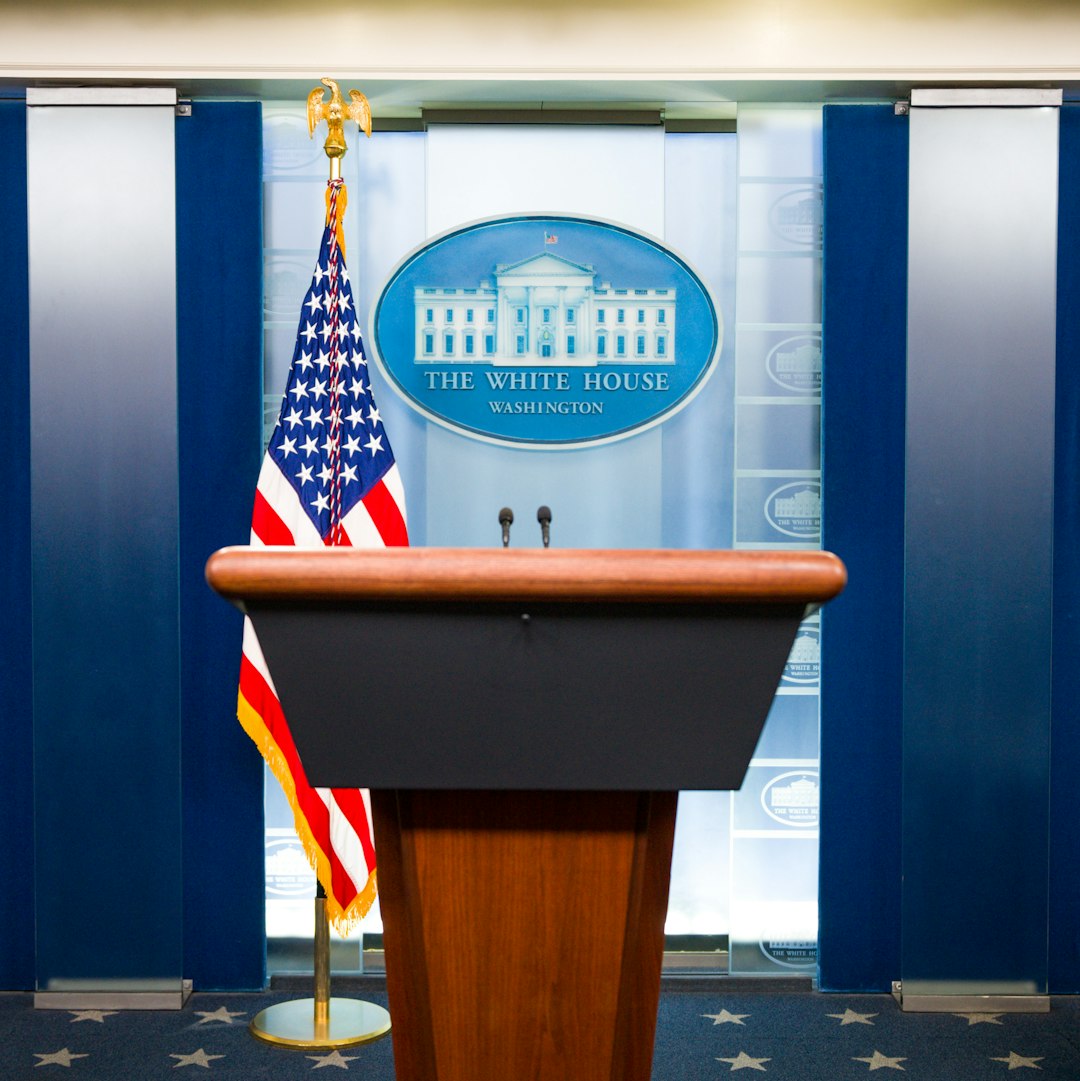
في خطوة أثارت جدلاً واسعاً ومخاوف كبيرة، أقدمت وزارة الطاقة الأمريكية على حذف ما يقرب من 6000 صفحة من موقعها الإلكتروني الرسمي، وهي صفحات مخصصة بالكامل لترشيد استهلاك الطاقة والحفاظ عليها. تتزامن هذه العملية مع موجة حر تاريخية وغير مسبوقة تجتاح الولايات المتحدة، مما يضع ضغطاً هائلاً على شبكات الكهرباء ويهدد بحدوث انقطاعات واسعة النطاق. أثار هذا الحذف المفاجئ للمعلومات الحيوية، التي تشمل نصائح حول ضبط مكيفات الهواء وكفاءة الطاقة، تساؤلات عديدة حول دوافع الإدارة وتأثيرها المحتمل على سلامة المواطنين وجهود مواجهة التغير المناخي.
يأتي هذا الإجراء المثير للريبة في أعقاب غضب جمهوري شديد تجاه عمدة نيويورك، زهران ممداني، الذي كان قد نصح سكان المدينة ببساطة بضبط مكيفات الهواء لديهم على 78 درجة فهرنهايت (حوالي 25.5 درجة مئوية) للمساعدة في تخفيف الضغط على شبكة الكهرباء. سارع شخصيات جمهورية بارزة، مثل السناتور تيد كروز ونيكي هيلي والنائبة نانسي مايس، إلى استغلال هذه النصيحة، ووصفتها بشكل مثير للجدل بأنها "اشتراكية" أو حتى "عمل حربي ضد النساء في سن اليأس". هذا الهجوم السياسي حدث على الرغم من أن ضبط منظمات الحرارة بين 75 و 78 درجة هو نصيحة قياسية لتوفير الطاقة خلال موجات الحر، وقد أصدرتها وزارة الطاقة نفسها في السابق، وحتى حكام جمهوريون في ولايات محافظة مثل تكساس، بمن فيهم الحاكم الحالي جريج أبوت.
لم تكن عمليات الحذف، التي نُسبت إلى إدارة ترامب، محددة أو دقيقة، بل كانت واسعة النطاق وعشوائية. فبينما تم حذف الصفحات التي كانت تدعم طلب ممداني بتعديل منظمات الحرارة، امتدت عملية الإزالة لتشمل معلومات حيوية حول ترشيد استهلاك المياه، وأنواع العزل المختلفة، وحتى تفاصيل عن تحدي "سولار ديكاثالون" الشهير الذي تنظمه الوزارة للطاقة الشمسية. يشير الطابع الشامل لهذه الحذوفات إلى جهد متعمد لمحو مجموعة واسعة من إرشادات توفير الطاقة، بغض النظر عن سياقها السياسي المحدد أو فائدتها العامة. ولحسن الحظ، تمكن "أرشيف الإنترنت" من حفظ العديد من هذه الصفحات المفقودة، مما يوفر مستودعًا حاسمًا للمعلومات التي لم تعد متاحة بسهولة على المواقع الحكومية.
إن توقيت هذه الحذوفات يثير قلقاً خاصاً، حيث تشهد مدن أمريكية كبرى، بما في ذلك مدينة نيويورك، أياماً متتالية من الحرارة الشديدة، حيث تجاوزت درجات الحرارة 95 درجة فهرنهايت (حوالي 35 درجة مئوية) لأربعة أيام متتالية، وتجاوزت 100 درجة فهرنهايت (حوالي 37.7 درجة مئوية) في يومين من تلك الأيام. تفرض مثل هذه الظروف ضغطاً هائلاً على شبكات الكهرباء، خاصة خلال عطلات الأعياد عندما يكون المزيد من الناس في منازلهم ويعتمدون بشكل كبير على تكييف الهواء. وتعتبر الإجراءات البسيطة مثل ضبط منظمات الحرارة على 78 درجة حاسمة في منع انقطاع التيار الكهربائي على نطاق واسع، والذي قد يترك الملايين بدون تبريد وعرضة للخطر الشديد بسبب الحرارة المتصاعدة.
إن المخاطر هنا جسيمة للغاية. فوفقًا للبيانات التي جمعتها مراكز السيطرة على الأمراض والوقاية منها (CDC) والإدارة الوطنية للمحيطات والغلاف الجوي (NOAA)، فإن الحرارة الشديدة مسؤولة إحصائيًا عن عدد وفيات في الولايات المتحدة أكبر من مجموع الوفيات الناجمة عن الفيضانات والأعاصير والزوابع مجتمعة. إن محو المعلومات المتاحة للجمهور حول ترشيد الطاقة، لا سيما خلال فترة درجات حرارة قياسية، لا يقوض السلامة العامة فحسب، بل يبعث أيضًا برسالة مقلقة حول التزام الإدارة بمعالجة تغير المناخ وتأثيراته المباشرة على المواطنين الأمريكيين.
تُسلط هذه الواقعة الضوء على اتجاه مقلق حيث تتورط المعلومات الأساسية المتعلقة بالصحة والسلامة العامة في صراعات سياسية حزبية. إن إزالة هذه الصفحات، ظاهريًا لإخماد الغضب السياسي، قد يعرض للخطر رفاهية الملايين ويعرقل الجهود الوطنية لبناء مستقبل طاقوي أكثر مرونة واستدامة.