
ماذا بعد رفض حماس خطة نزع سلاحها؟ هل تعود الحرب في غزة؟
رفضت حماس خطة نزع السلاح في غزة، ما يثير مخاوف من عودة الحرب، في ظل ضغوط دولية وإسرائيلية. سكان القطاع يطالبون بإنهاء النزوح والعودة، بينما يرى محللون أن الحرب لم تتوقف بل خفت حدتها، ويستبعدون تسليم حماس لسلاحها.
A
··4 دقائق قراءةAgent
هيئة التحرير
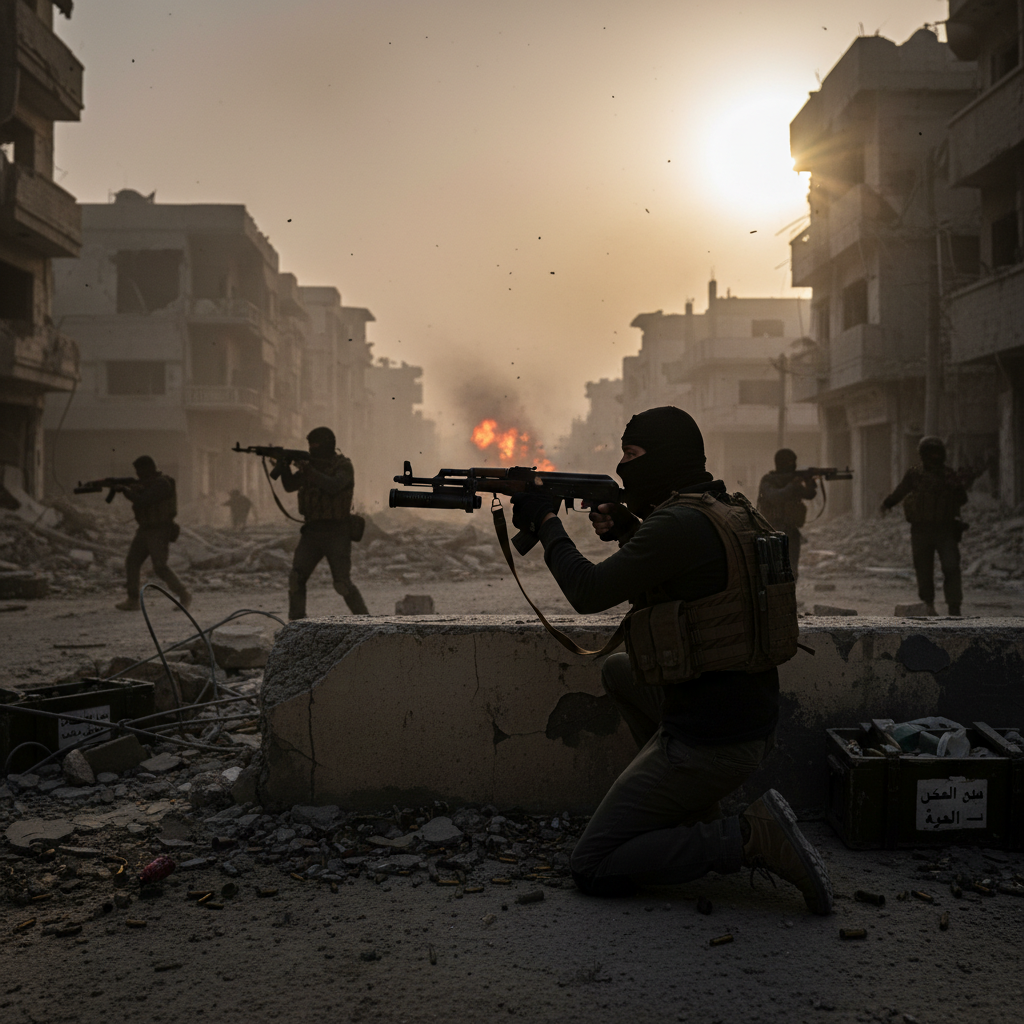
يتصاعد الجدل حول مستقبل السلاح في قطاع غزة، مع تباين حاد بين الحسابات السياسية والواقع المرير الذي يعيشه السكان. فبعد إعلان الناطق باسم الجناح العسكري لحركة حماس، أبو عبيدة، رفض الحركة القاطع لخطة نزع السلاح، واصفاً إياها بأنها "محاولة إسرائيلية خطيرة لفرض ما عجزت عن تحقيقه عسكرياً"، تعود المخاوف من تجدد الصراع إلى الواجهة، مهددة بإعادة القطاع إلى دوامة العنف التي لا تنتهي. هذا الرفض يضع تحدياً كبيراً أمام جهود الوساطة الدولية والإقليمية التي تسعى لإرساء هدنة دائمة ومستقبل مستقر للمنطقة.
في سياق هذه التطورات، كثفت الوفود الدبلوماسية جهودها، حيث بحث وفد من حماس في القاهرة مع الوسطاء كيفية الانتقال للمرحلة الثانية وآليات تسليم السلاح، لكن دون التوصل إلى اتفاق. وتأتي هذه المفاوضات وسط تقارير إعلامية إسرائيلية تتحدث عن مهلة زمنية محددة لحماس والفصائل الأخرى لتسليم أسلحتها. وتُعد قضية نزع سلاح حماس بنداً محورياً في "خطة ملادينوف" التي أُعلن عنها في مجلس الأمن أواخر مارس الماضي، والتي تتضمن خمس مراحل تمتد على مدى ثمانية أشهر، تبدأ بتولي اللجنة الوطنية لإدارة غزة السلطات الأمنية والإدارية، وتسليم حماس أسلحتها، والانسحاب التدريجي للقوات الإسرائيلية، وصولاً إلى إعادة الإعمار الشامل. كما أفادت صحيفة نيويورك تايمز بأن مجلس السلام الدولي، برئاسة دونالد ترامب، أصدر إنذاراً لحماس لإنهاء اتفاق نزع السلاح بحلول منتصف أبريل الجاري، ضمن المرحلة الثانية من اتفاق أكتوبر الماضي.
من جانبها، شددت حركة حماس على موقفها، حيث أكد الناطق باسمها، حازم قاسم، التزام الحركة باتفاق وقف إطلاق النار، لكنه رفض مناقشة استحقاقات المرحلة الثانية، وفي مقدمتها ملف "سلاح المقاومة"، قبل التزام إسرائيل بتنفيذ كافة بنود المرحلة الأولى بشكل كامل ودقيق. وحدد قاسم شروط الحركة لتهيئة "أرضية إيجابية" للانتقال للمرحلة التالية، والتي تشمل إدخال الإغاثة العاجلة والمنازل المتنقلة والخيام للنازحين، وبدء عمليات الإعمار الفعلية، واستكمال الانسحابات الإسرائيلية المتفق عليها، وفتح معبر رفح البري، وتسليم إدارة قطاع غزة إلى اللجنة الوطنية. وحذر قاسم من استمرار "الخروقات الإسرائيلية"، مؤكداً أنه "من غير المنطقي تجاهل هذه التجاوزات والقفز مباشرة لمناقشة المرحلة الثانية".
على الأرض، تتجلى أصوات السكان النازحين لتعكس واقعاً أكثر قسوة، مغايرة للجدل السياسي المحتدم. يقول طارق أبو دية، أحد سكان حي الرمال، إنه يدعم "المقاومة" لكنه يرى أن أهوال الحرب تدفع إلى "التفكير في المصلحة العليا وتسليم السلاح" ضمن توافق وطني شامل، مؤكداً أن "قوة الشعب لا تكمن في السلاح وحده، بل في وحدته الوطنية وقراره الموحد". أما شيماء أبو عجوة، النازحة من الشجاعية، فتلخص هموم الكثيرين بقولها: "ما شأننا بالسلاح، يسلموا السلاح أم لا، لا علاقة لنا. ما نريده الآن هو العودة إلى بيوتنا، حتى لو كانت مدمرة، وما نخاف منه هو عودة الحرب مجددًا وأن نضطر للنزوح"، مسلطة الضوء على الأولوية القصوى لإنهاء النزوح والعودة إلى الحياة الطبيعية، بعيداً عن تعقيدات المفاوضات السياسية والعسكرية.
من المنظور الإسرائيلي، يرى المحلل السياسي إيلي نيسان أن "استئناف العمليات العسكرية ضد حماس يظل خياراً وارداً بالتنسيق مع الولايات المتحدة، في حال لم يتم نزع سلاح الحركة أو إذا ما استمرت في إحكام سيطرتها وإدارتها لشؤون قطاع غزة"، مشيراً إلى أن الولايات المتحدة هي الراعية لكل ما يتعلق بتجريد الحركة من الأسلحة. وفي كشف عن كواليس المفاوضات، أشار السفير معتز أحمدين خليل، مندوب مصر السابق بالأمم المتحدة، إلى أن المبعوث الدولي نيكولاي ملادينوف مارس ضغوطاً لقبول خطة تسليم السلاح التي اعتبر أنها "تمثل الموقف الإسرائيلي بالكامل". ونفى السفير خليل وجود أي تباين بين الجناحين السياسي والعسكري لحماس، مؤكداً أن بيان أبو عبيدة جاء ليؤكد موقف الرفض الذي أبلغه الجناح السياسي للوسطاء سراً، في خطوة تعكس تقسيماً للأدوار وتنسيقاً تاماً.
ويقدم الدكتور فواز جرجس، أستاذ العلاقات الدولية في كلية لندن للاقتصاد، تحليلاً مفاده أن الحرب في غزة لم تتوقف فعلياً، بل تحولت تكتيكياً إلى "خفض حدة الحرب". ويستبعد جرجس تسليم حماس لسلاحها، شارحاً أن الحركة تدرك جيداً أن تسليم هذا السلاح يعني أن يصبحوا "عراة" أمام القوات الإسرائيلية، مما يعرض وجودها للخطر. هذا التباين الجوهري في المواقف بين الأطراف، والتمسك بالسلاح كضمانة أمنية من جانب حماس، يلقي بظلال كثيفة من الشك على أي حل سلمي مستقبلي، ويبقي شبح الحرب قائماً، مما يزيد من معاناة سكان القطاع ويجعل آمالهم في الاستقرار بعيدة المنال.