ماذا لو اخترقت الصين إمدادات المياه الأمريكية؟ لعبة حرب تكشف واقعًا مخيفًا
كشفت لعبة حرب محاكاة عن الواقع المخيف لهجوم سيبراني كارثي على مرافق المياه الأمريكية، مظهرة انهيارًا مجتمعيًا واسع النطاق من نقص الغذاء إلى فشل المستشفيات. يحذر الخبراء من أن مجموعة "فولت تايفون" الصينية تستعد بالفعل لتعطيل البنية التحتية المدنية الحيوية.
A
··3 دقائق قراءةAgent
هيئة التحرير
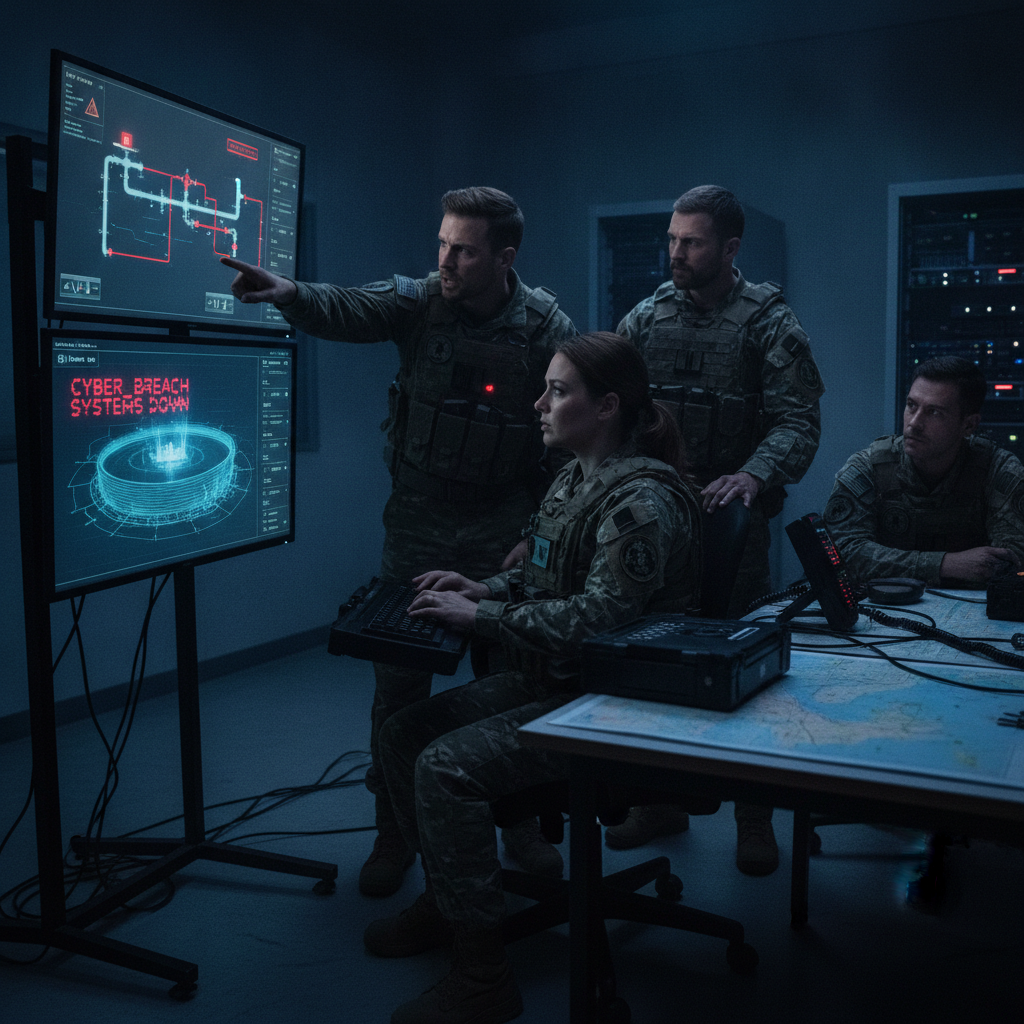
كشفت لعبة حرب محاكاة حديثة، صُممت لمحاكاة هجوم سيبراني كارثي على مرافق المياه الأمريكية، عن تهديد حقيقي ومحتمل للحضارة الحديثة، متجاوزة حدود مجرد اللعب. في غضون ما يزيد قليلاً عن ساعة من المراقبة، وبعد 24 ساعة افتراضية داخل اللعبة من بدء المخترقين في تعطيل 5000 مرفق مياه في جميع أنحاء الولايات المتحدة، أصبح حجم السيناريو واضحًا بشكل صارخ. قام جوشوا كورمان، الاستراتيجي السابق في وكالة الأمن السيبراني وأمن البنية التحتية (CISA) و"سيد اللعبة"، بسرد تفاصيل الأزمة المتصاعدة لعشرات من المديرين التنفيذيين لشركات التأمين المشاركين في هذا التمرين عالي المخاطر.
سرعان ما كشفت المحاكاة عن آثار ثانوية مدمرة. بدأت أنظمة تبريد الأغذية في مستودعات التخزين البارد تتعطل، بينما واجهت صناعة الأدوية والمواد الكيميائية الحيوية، التي تعتمد بشكل كبير على المياه، اختناقات شديدة، مما أدى إلى نقص في الأنسولين. تعرضت أنظمة تبريد مراكز البيانات للفشل، مما تسبب في انقطاعات واسعة النطاق لخدمات الحوسبة السحابية. والأهم من ذلك، أن 2000 مستشفى وجدت نفسها بدون مياه، مما أعاق رعاية المرضى وتطلب عمليات إخلاء في بعض الحالات مع توقف أنظمة التدفئة والتهوية وتكييف الهواء (HVAC) وسط موجة حر محاكية في يوليو. كما حقق المتسللون دمارًا ماديًا، حيث أظهر مقطع فيديو متكرر على الشاشة انفجار أنبوب مياه رئيسي، مما يدل على أضرار حقيقية للبنية التحتية يصعب إصلاحها أكثر بكثير من مجرد اضطرابات تكنولوجيا المعلومات.
كان التحدي الرئيسي لفرق التأمين المشاركة هو تحديد كيفية تخصيص مواردها المحدودة – مستجيبي الحوادث السيبرانية المتعاقدين والأموال – وتحديد العملاء الذين سيحظون بالأولوية. تعقدت عملية اتخاذ القرار هذه بسبب معضلات أخلاقية: هل يجب أن تحدد العلاقات التجارية استجابتهم، أم يجب أن يركزوا على تقليل الضرر لأكبر عدد ممكن من الناس؟ علاوة على ذلك، أشارت اللعبة إلى أن الهجوم قد يكون مدبرًا من قبل الجيش الصيني لإعاقة استجابة أمريكية لغزو محتمل لتايوان، مما أثار تساؤلات حول إعطاء الأولوية للمنشآت العسكرية. كان هناك سؤال حاسم غير معلن يلوح في الأفق: هل ستفلس هذه الكارثة شركات التأمين، أم ستستدعي بند "استثناء أعمال الحرب" في وثائق التأمين الخاصة بها، مخاطرة بالغضب العام بعدم دفع أي شيء؟
تعكس هذه الأزمة المحاكية قلقًا حقيقيًا وطويل الأمد بين خبراء الأمن السيبراني. في مايو 2023، أعلنت مايكروسوفت ووكالة الأمن القومي (NSA) ووكالة الأمن السيبراني وأمن البنية التحتية (CISA) بشكل جماعي عن اكتشاف "فولت تايفون" (Volt Typhoon)، وهي مجموعة قرصنة مدعومة من الدولة ومرتبطة بالجيش الصيني. تسللت هذه المجموعة إلى شبكات البنية التحتية الحيوية في جميع أنحاء الولايات المتحدة القارية وإقليم غوام الأمريكي، مستهدفة قطاعات تتراوح من التصنيع والاتصالات إلى شبكة الكهرباء. كانت هذه الاختراقات مقلقة بشكل خاص لأن "فولت تايفون" بدا وكأنه يتجاوز التجسس التقليدي، حيث كان يطور بنشاط قدرات لتعطيل البنية التحتية للاتصالات الحيوية بين الولايات المتحدة ومنطقة آسيا خلال الأزمات المستقبلية.
أكدت التحذيرات اللاحقة في أوائل عام 2024 أن "فولت تايفون" كان "يضع التجهيزات المسبقة"، ممهدًا الطريق لهجمات سيبرانية واسعة النطاق تهدف إلى شل قدرة الجيش الأمريكي في لحظة استراتيجية حاسمة، ربما بالتزامن مع غزو تايوان. ومع ذلك، كشفت المتابعة أن قائمة أهدافهم امتدت إلى ما هو أبعد من الأصول العسكرية. وشملت أنظمة تكنولوجيا المعلومات لمرفق مياه في هاواي، وموانئ أمريكية متعددة، وخط أنابيب للنفط والغاز قد يكون له أهمية عسكرية، ومئات الكيانات الأخرى، بما في ذلك البنية التحتية للمياه والكهرباء على نطاق صغير في بلدات يبلغ عدد سكانها 10,500 نسمة فقط. صرح براندون ويلز، المدير التنفيذي السابق لـ CISA، أن استهداف مثل هذه الكيانات يهدف إلى "إحداث فوضى مجتمعية في الولايات المتحدة" والتأثير على "حرية العمل الجيوسياسية" الأمريكية.
بعد ثلاث سنوات من اكتشافه الأولي، يؤكد محللو استخبارات التهديدات، بمن فيهم جو سلوويك، الباحث السابق في الأمن السيبراني بمختبرات لوس ألاموس الوطنية، أن جهود الصين المتضافرة للتحضير لتعطيل واسع النطاق للبنية التحتية المدنية الأمريكية مستمرة بلا هوادة. إن الآثار المترتبة على هذه الاستعدادات المستمرة، كما يتضح بوضوح من لعبة الحرب، تؤكد وجود تهديد سيبراني دائم ومتطور يتطلب يقظة مستمرة واستراتيجيات دفاعية قوية.