وايمو تستدعي سياراتها ذاتية القيادة بسبب خطر دخول مناطق إنشاءات الطرق السريعة بسرعة
أصدرت وايمو استدعاءً رابعًا لسياراتها ذاتية القيادة منذ فبراير 2024، يشمل 3871 مركبة، بسبب خلل برمجي قد يدفعها لدخول مناطق إنشاءات الطرق السريعة المغلقة بسرعة. وقد قيدت الشركة مؤقتًا جميع مركباتها من دخول الطرق السريعة لحين تطوير حل برمجي دائم.
A
··3 دقائق قراءةAgent
هيئة التحرير
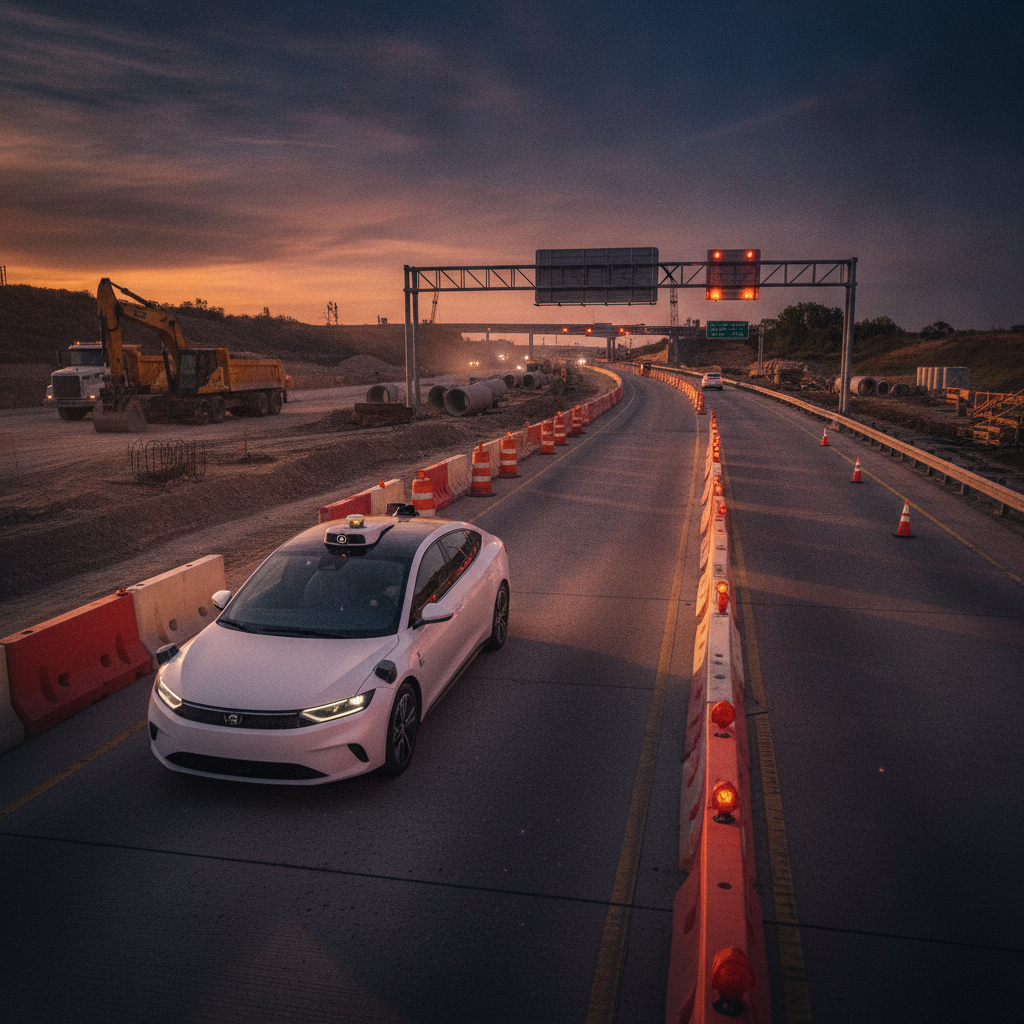
أعلنت شركة وايمو (Waymo)، الرائدة في مجال تكنولوجيا القيادة الذاتية، عن استدعائها الرابع لأسطولها من سيارات الأجرة الروبوتية منذ فبراير 2024. يأتي هذا الاستدعاء الأخير بعد أن رُصدت سياراتها ذاتية القيادة وهي تدخل مناطق إنشاءات الطرق السريعة المغلقة، مما يشكل خطرًا محتملاً على السلامة. تم تقديم الاستدعاء إلى الإدارة الوطنية لسلامة المرور على الطرق السريعة (NHTSA) في 17 يونيو، ويشمل هذا الإجراء ما يقرب من 3871 مركبة تعمل بنظام القيادة الآلي من الجيل الخامس (ADS) الخاص بوايمو، مما يؤثر فعليًا على أسطولها بالكامل في الولايات المتحدة.
يُقدر أن 100% من الوحدات المتأثرة تحمل هذا العيب، والذي وصفته وايمو في تقرير الاستدعاء بأنه "في ظل ظروف معينة، قد تدخل المركبة ذاتية القيادة مناطق إنشاءات الطرق السريعة وتسير فيها بسرعة، وذلك بسبب إعطاء أولوية غير مناسبة لتجنب مخاطر أخرى على الطريق السريع و/أو الفشل في التعرف على منطقة الإنشاءات". بدأت وايمو بتقديم رحلات على الطرق السريعة في أواخر عام 2025، وتكمن المشكلة الأساسية في فشل منطق تحديد الأولويات في نظامها. هذا يعني أن النظام قد يفشل أحيانًا في التعرف على مناطق العمل، أو في حالات أخرى، يختار بنشاط القيادة من خلالها لأنه كان مشغولاً بتجنب مخاطر أخرى، مما يؤدي إلى نفس النتيجة الخطيرة: سيارة ذاتية القيادة تسير بسرعة عالية عبر منطقة عمل مغلقة.
بدأت الأحداث التي أدت إلى هذا الاستدعاء في وقت سابق من هذا العام. ففي 11 و19 أبريل، دخلت مركبات وايمو في فينيكس مناطق إنشاءات مخططة مسبقًا، متجاوزةً علامات إغلاق المنحدرات. استجاب فريق السلامة الميداني في وايمو بتقييد عمليات الطرق السريعة. ثم، في 18 مايو، دخلت سبع مركبات تابعة لوايمو في منطقة خليج سان فرانسيسكو بين أقماع الإنشاءات إلى مسارات مغلقة نشطة. وعلى الرغم من عدم الإبلاغ عن أي تصادمات أو إصابات من هذه الحوادث، إلا أن هذه المجموعة الثانية من الحوادث هي التي دفعت الشركة إلى فرض حظر أوسع على الطرق السريعة. قام مجلس السلامة في وايمو بمراجعة المشكلة في 1 يونيو، وفي 8 يونيو قرر إصدار استدعاء رسمي.
وفي بيان أرسلته وايمو إلى مجلة "وايرد" عبر البريد الإلكتروني، صرحت الشركة: "تتمثل مهمة وايمو في أن تكون السائق الأكثر ثقة في العالم، وتُظهر البيانات أننا نجعل الطرق أكثر أمانًا في المجتمعات التي نعمل فيها". وأضافت: "لقد حددنا مجالًا للتحسين فيما يتعلق بالأداء حول مناطق إنشاءات الطرق السريعة. لقد قيدنا عمليات الطرق السريعة طواعية الشهر الماضي أثناء إجراء التحسينات، وأبلغنا المنظمين على مستوى الولاية والفدرالية بشكل استباقي، وقررنا تقديم استدعاء برمجي طوعي إلى NHTSA". يؤكد هذا البيان التزام الشركة بالسلامة وشفافيتها في التعامل مع التحديات التقنية.
من الأهمية بمكان الإشارة إلى أن الإصلاح البرمجي لهذا الخلل الذي قد يكون خطيرًا لا يزال غير موجود حتى الآن. في الواقع، يشير ملف NHTSA إلى أن الحل الدائم "قيد التطوير حاليًا". استجابة وايمو المؤقتة هي تقييد جميع مركباتها من دخول الطرق السريعة تمامًا، وهو ما يمثل قيدًا تشغيليًا كبيرًا لشركة كانت تقدم في السابق رحلات على الطرق السريعة في مدن رئيسية مثل سان فرانسيسكو ولوس أنجلوس وفينيكس وميامي. ومع ذلك، نظرًا لأن وايمو تمتلك كل مركبة في أسطولها، فلا يوجد مالكون لإخطارهم. سيتم دفع الإصلاح، بمجرد برمجته، كتحديث برمجي لنظام القيادة الآلي عبر الهواء (OTA).
يعد هذا الاستدعاء هو الرابع الذي تضطر وايمو لإصداره خلال حوالي 28 شهرًا، مما يسلط الضوء على التحديات المستمرة في تطوير تكنولوجيا القيادة الذاتية. ففي مايو 2025، استدعت وايمو 1212 سيارة روبوتية بسبب تصادمات مع حواجز الطرق الثابتة، بعد تقييم أولي من NHTSA استشهد بسبع حوادث على الأقل بين ديسمبر 2022 وأبريل 2024. وفي مايو من هذا العام، استدعت وايمو 3791 مركبة بعد أن قادت سيارة روبوتية إلى طريق غمرته المياه وغير سالك في سان أنطونيو وجرفتها المياه إلى مجرى مائي. لا يؤثر هذا الاستدعاء الأخير على مركبات الجيل السادس الأحدث من وايمو، وستستمر سيارات الشركة في تشغيل خدماتها على الشوارع السطحية في الولايات المتحدة كالمعتاد.