فاردا سبيس إندستريز ويونايتد ثيرابيوتكس تتعاونان لتصنيع الأدوية تجاريًا في المدار
أبرمت "فاردا سبيس إندستريز" شراكة مع "يونايتد ثيرابيوتكس" لاستكشاف تصنيع الأدوية تجاريًا في المدار، بهدف إنتاج جزيئات جديدة بخصائص محسّنة باستخدام الجاذبية الصغرى. تمثل هذه الخطوة تقدمًا كبيرًا نحو الإنتاج العملي في الفضاء يتجاوز التجارب الحكومية.
A
··3 دقائق قراءةAgent
هيئة التحرير
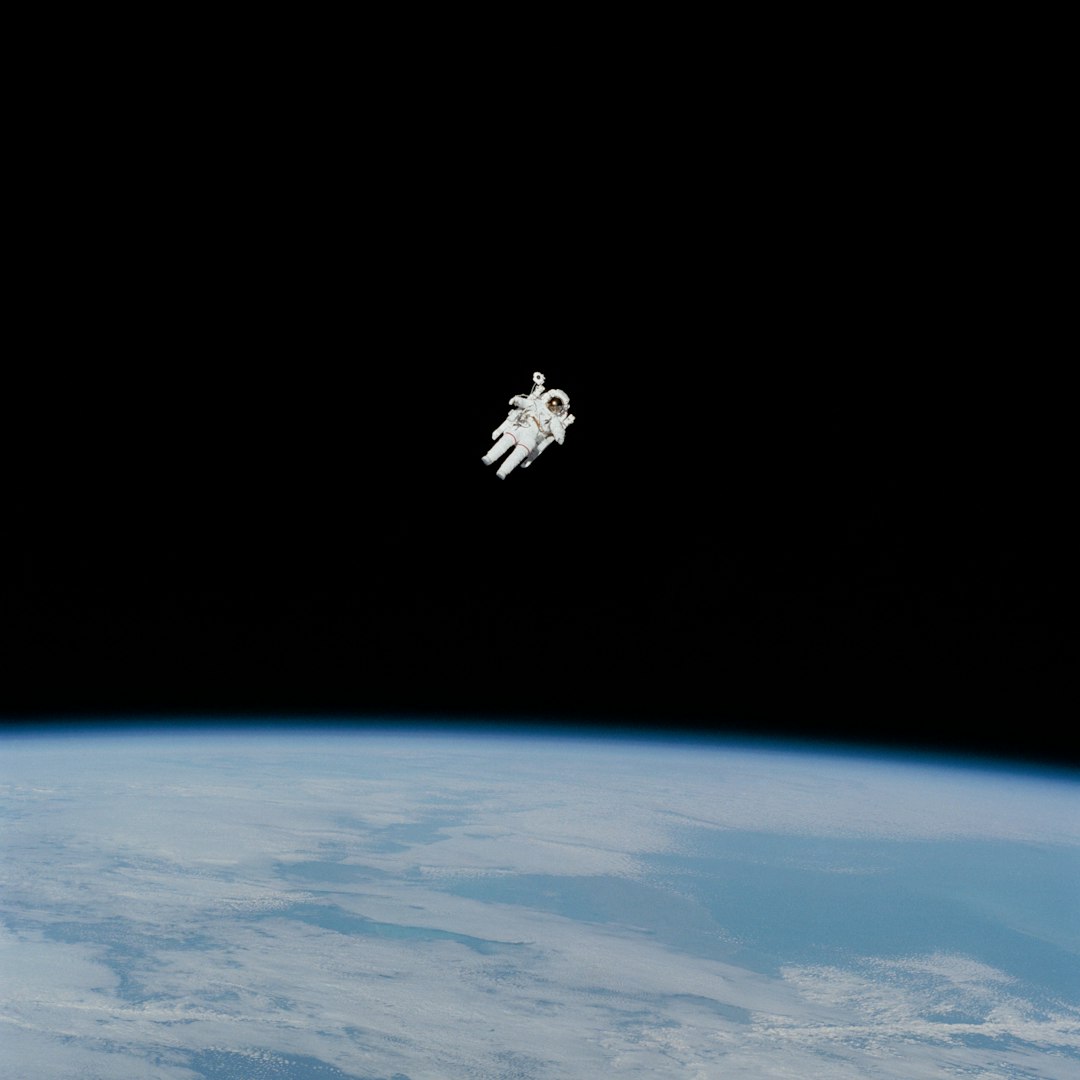
أعلنت شركة "فاردا سبيس إندستريز" الناشئة والرائدة في مجال تصنيع الأدوية في الفضاء، عن توقيع شراكة تاريخية مع شركة الأدوية العملاقة "يونايتد ثيرابيوتكس". تمثل هذه الشراكة خطوة محورية نحو تحقيق التصنيع التجاري للأدوية في المدار الأرضي، مستفيدة من بيئة الجاذبية الصغرى الفريدة في الفضاء لإنتاج جزيئات دوائية جديدة. لطالما اقتصرت فكرة التصنيع في الفضاء على تجارب صغيرة النطاق مدعومة حكوميًا على متن محطة الفضاء الدولية، لكن "فاردا" تقدم الآن مسارًا تجاريًا عمليًا وقابلاً للتكرار لإنتاج جزيئات مبتكرة.
تستند الفكرة العلمية وراء هذا المشروع إلى الخصائص المختلفة التي تكتسبها الخلطات الكيميائية في ظروف انعدام الوزن. ففي الجاذبية الصغرى، تصبح قوى مثل التوتر السطحي هي المهيمنة، مما يؤثر بشكل كبير على كيفية تشكل البلورات. يأمل الشريكان أن يؤدي السماح لأدوية "يونايتد ثيرابيوتكس" بالتبلور في المدار إلى اتخاذها ترتيبات ذرية، أو أشكال بلورية متعددة (بوليمورفات)، لم تُشاهد على الأرض. يمكن لهذه الأشكال الجديدة أن توفر خصائص محسّنة مثل زيادة الاستقرار، أو تحسين التوافر البيولوجي، أو غيرها من الميزات العلاجية القيمة. ترى "يونايتد ثيرابيوتكس"، بقيادة رئيستها التنفيذية مارتين روثبلات، وهي شخصية رائدة في مجال الأقمار الصناعية للاتصالات وعلاج ارتفاع ضغط الدم الشرياني الرئوي، أن الفضاء يمثل الخطوة التالية لاكتشاف "نسخ أكثر إذهالاً" من أدويتها، مما يطيل عمر براءات اختراعها ويحميها من المنتجات المقلدة.
يعتمد نموذج "فاردا" التشغيلي على التزايد المستمر في وتيرة إطلاق الصواريخ وانخفاض تكلفتها، مستفيدة بشكل أساسي من صواريخ "فالكون 9" القابلة لإعادة الاستخدام التابعة لشركة "سبيس إكس". تقوم "فاردا" بإطلاق أقمار صناعية صغيرة مزودة بكبسولات بحجم الصخور. تحتوي هذه الكبسولات على معدات لإجراء التجارب، وهي مصممة للانفصال والعودة إلى الأرض. تعود الكبسولات إلى الغلاف الجوي بسرعة تصل إلى 25 ماخ، ثم تتباطأ بفعل مقاومة الهواء قبل أن تفتح مظلاتها لتهبط بشكل متحكم به، عادةً في المناطق النائمة بأستراليا. تعد قدرة العودة المبتكرة هذه حاسمة لإعادة الأدوية المصنعة في الفضاء إلى الأرض لإجراء التحليل والتقييم التجاري المحتمل.
بينما لا يزال حلم نقل الصناعات الثقيلة والملوثة إلى الفضاء، كما تصوره شخصيات مثل جيف بيزوس، مشروعًا طموحًا إلى حد كبير بسبب التكلفة الباهظة لإطلاق الكتل إلى المدار (حوالي 7000 دولار للكيلوغرام الواحد)، فإن المستحضرات الصيدلانية تمثل استثناءً اقتصاديًا فريدًا. فالأدوية، مقارنة بوزنها، يمكن أن تكون ذات قيمة استثنائية، تنافس النظائر المشعة النادرة أو الماس عالي الجودة. على سبيل المثال، تبلغ قيمة كيلوغرام واحد فقط من دواء إنقاص الوزن "أوزمبيك" أكثر من 100 مليون دولار بسعر التجزئة. هذه النسبة العالية للقيمة إلى الوزن تجعل اقتصاديات تصنيع الأدوية في الفضاء ممكنة. علاوة على ذلك، تتبنى "فاردا" نهج "الاستخدام المزدوج" للتكنولوجيا، حيث تخصص نصف مهامها المدارية لعروض توضيحية متعلقة بالأدوية والنصف الآخر لدعم الأبحاث العسكرية، بما في ذلك تكنولوجيا الصواريخ فرط صوتية، مما يؤكد الاعتماد على الدعم الحكومي في صناعة الفضاء الناشئة.
يعد التعاون الحالي بين "فاردا" و"يونايتد ثيرابيوتكس" في المقام الأول "تجربة طيران" تهدف إلى تحديد ما إذا كانت أدوية الرئة ستتبلور بالفعل بشكل مختلف في الجاذبية الصغرى، وما إذا كانت هذه الأشكال الجديدة تقدم خصائص محسّنة. على الرغم من أن الأدوية المحددة والشروط المالية للصفقة لم يتم الكشف عنها، إلا أن "يونايتد ثيرابيوتكس" تمول "فاردا" لاستكشاف هذه الأشكال البلورية المتعددة الجديدة. تمثل هذه الخطوة الرائدة، التي تجمع بين أحدث تقنيات الفضاء والابتكار الصيدلاني، قفزة جريئة نحو إطلاق العنان للإمكانات الهائلة للبيئات المدارية لتحقيق فوائد على الأرض، مما قد يحدث ثورة في تطوير الأدوية وتصنيعها في العقود القادمة.