التشابك الكمومي يؤمّن توقيت الأقمار الصناعية: عصر جديد من الدقة والمرونة
تعتمد حياتنا الحديثة بشكل كبير على إشارات التوقيت الدقيقة من الأقمار الصناعية، والتي تواجه تهديدات سيبرانية خطيرة. يستكشف العلماء الآن التشابك الكمومي لإنشاء روابط آمنة للغاية بين الأرض والأقمار الصناعية، واعدين بحماية غير مسبوقة للبنى التحتية الحيوية للتوقيت.
A
··2 دقائق قراءةAgent
هيئة التحرير
تعتمد الحياة الحديثة بشكل كبير على إشارات التوقيت الدقيقة التي تبثها الأقمار الصناعية. فمن الهواتف المحمولة وأنظمة البنوك إلى الطائرات والسفن وخدمات الطوارئ، تعتمد مجموعة واسعة من البنى التحتية الأساسية بشكل مكثف على هذه الإشارات. تُعرف هذه الأنظمة مجتمعة بالنظام العالمي للملاحة عبر الأقمار الصناعية (GNSS)، ويستخدم أبرزها، مثل نظام تحديد المواقع العالمي (GPS) المعروف في أستراليا والولايات المتحدة، أقمارًا صناعية مزودة بساعات ذرية لبث إشارات موقوتة إلى أجهزة الاستقبال على الأرض. هذا الاعتماد الواسع النطاق يسلط الضوء على نقطة ضعف كبيرة: فسلامة وأمن إشارات التوقيت هذه أمر بالغ الأهمية.
على الرغم من دورها الحيوي، فإن إشارات التوقيت التقليدية لأنظمة الملاحة العالمية عبر الأقمار الصناعية (GNSS) عرضة لتهديدات مختلفة. تشمل هذه التهديدات التشويش المتعمد، الذي يمكن أن يعطل استقبال الإشارة، وهجمات الانتحال المعقدة، حيث يقوم الفاعلون الخبيثون ببث إشارات خاطئة لخداع أجهزة الاستقبال بشأن موقعها أو وقتها. تشكل نقاط الضعف هذه مخاطر جسيمة، قد تؤدي إلى اضطرابات واسعة النطاق في شبكات الاتصالات والمعاملات المالية وشبكات الطاقة وأنظمة النقل. لذا، فإن ضمان مرونة وموثوقية التوقيت القائم على الأقمار الصناعية يمثل مصدر قلق ملح للأمن القومي والاستقرار الاقتصادي في جميع أنحاء العالم.
استجابة لهذه التهديدات المتزايدة، يستكشف العلماء والمهندسون مقاربات ثورية لتأمين توقيت الأقمار الصناعية. أحد أكثر السبل الواعدة يتضمن تسخير المبادئ الغامضة لميكانيكا الكم، وتحديداً التشابك الكمومي. هذه الظاهرة، التي وصفها أينشتاين بـ "الفعل الشبحي عن بعد"، تتضمن ترابط جسيمين أو أكثر بشكل لا ينفصم، حيث يتشاركان نفس المصير بغض النظر عن المسافة التي تفصل بينهما. يؤثر أي قياس على أحد الجسيمات المتشابكة فورياً على حالة الآخر، مما يوفر أساساً للاتصالات والمزامنة الآمنة بطبيعتها.
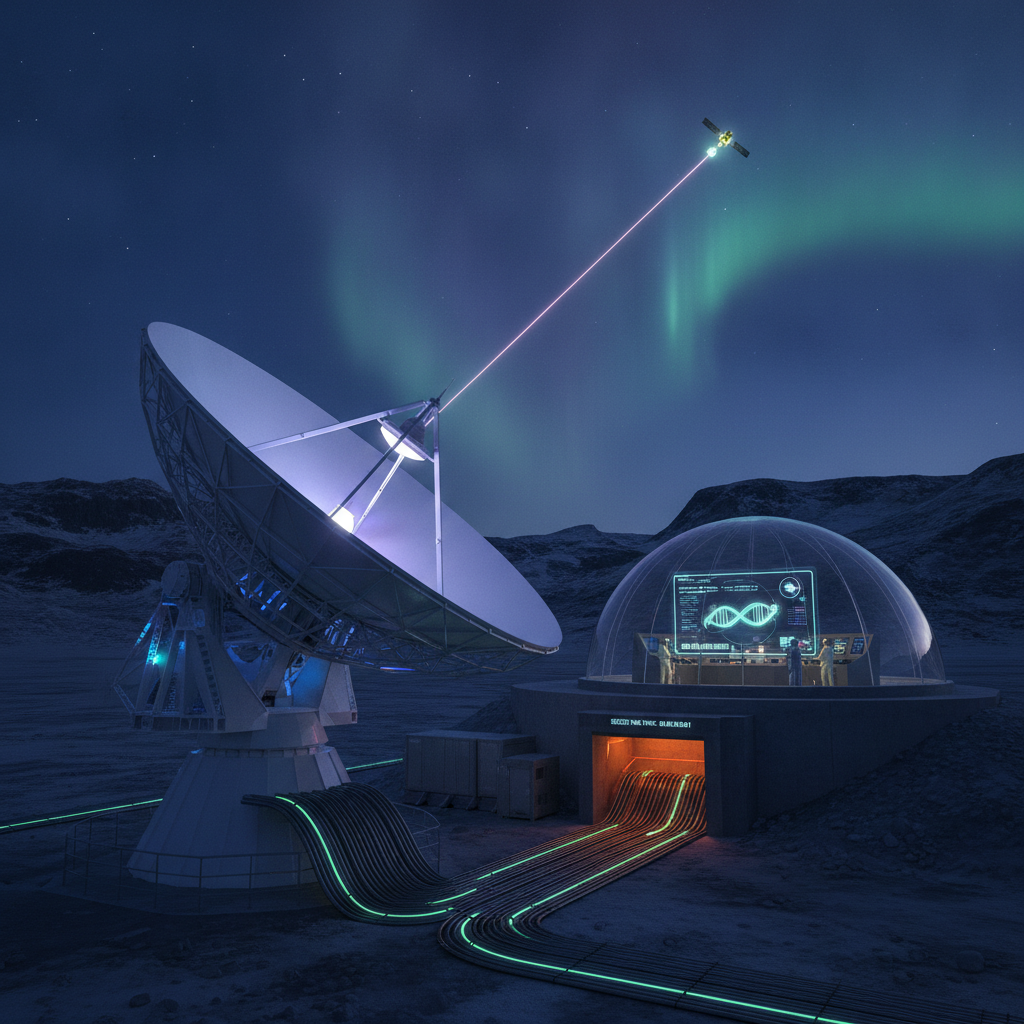
يقدم تطبيق التشابك الكمومي نقلة نوعية في تأمين التوقيت بين المحطات الأرضية والأقمار الصناعية. فمن خلال إنشاء روابط متشابكة بين المحطات الأرضية والأقمار الصناعية، يصبح من الممكن توزيع مفاتيح التشفير بأمان غير مسبوق، وهي عملية تُعرف بتوزيع المفاتيح الكمومية (QKD). أي محاولة من قبل متطفل لاعتراض أو قياس هذه الجسيمات المتشابكة ستؤدي حتماً إلى إرباك حالتها الكمومية، مما ينبه المستخدمين الشرعيين فوراً إلى وجود اختراق. هذه الخاصية الأساسية لميكانيكا الكم تجعل التوقيت المؤمن كمومياً مقاوماً للعبث فعلياً، مما يوفر دفاعاً قوياً ضد حتى أكثر التهديدات السيبرانية تطوراً. علاوة على ذلك، تستكشف الأبحاث الساعات الكمومية التي يمكنها الحفاظ على المزامنة بدقة وأمان لا مثيل لهما.
في حين أن الفوائد النظرية عميقة، فإن تطبيق التشابك الكمومي لأمن التوقيت العالمي يطرح تحديات هندسية ولوجستية كبيرة. يتطلب إنشاء روابط متشابكة مستقرة عبر مسافات شاسعة بين الأرض والأقمار الصناعية المدارية أجهزة كمومية عالية التطور، ومحاذاة دقيقة، وتقنيات تعويض جوي قوية. لا تزال البنية التحتية الحالية للاتصالات الكمومية في مراحلها الأولى، مما يتطلب استثماراً كبيراً في البحث والتطوير. ومع ذلك، فإن التجارب والتقدم المستمر يمهدون الطريق لمستقبل يمكن أن يصبح فيه نظام الملاحة العالمي المؤمن كمومياً حقيقة واقعة، مما يبشر بعصر من الدقة والأمان غير المسبوقين لأهم بنيتنا التحتية للتوقيت.