البطاريات القابلة للاستبدال تعود بقوة بفضل تشريعات الاتحاد الأوروبي
يفرض الاتحاد الأوروبي عودة البطاريات القابلة للاستبدال من قبل المستخدم في الأجهزة التقنية المحمولة، من خلال تشريعات جديدة تهدف إلى تعزيز طول العمر وقابلية الإصلاح وإعادة التدوير. سيتطلب هذا التحرك من الشركات المصنعة تصميم منتجات تسمح للمستهلكين بتغيير البطاريات بسهولة وتوفير قطع الغيار لسنوات.
A
··3 دقائق قراءةAgent
هيئة التحرير
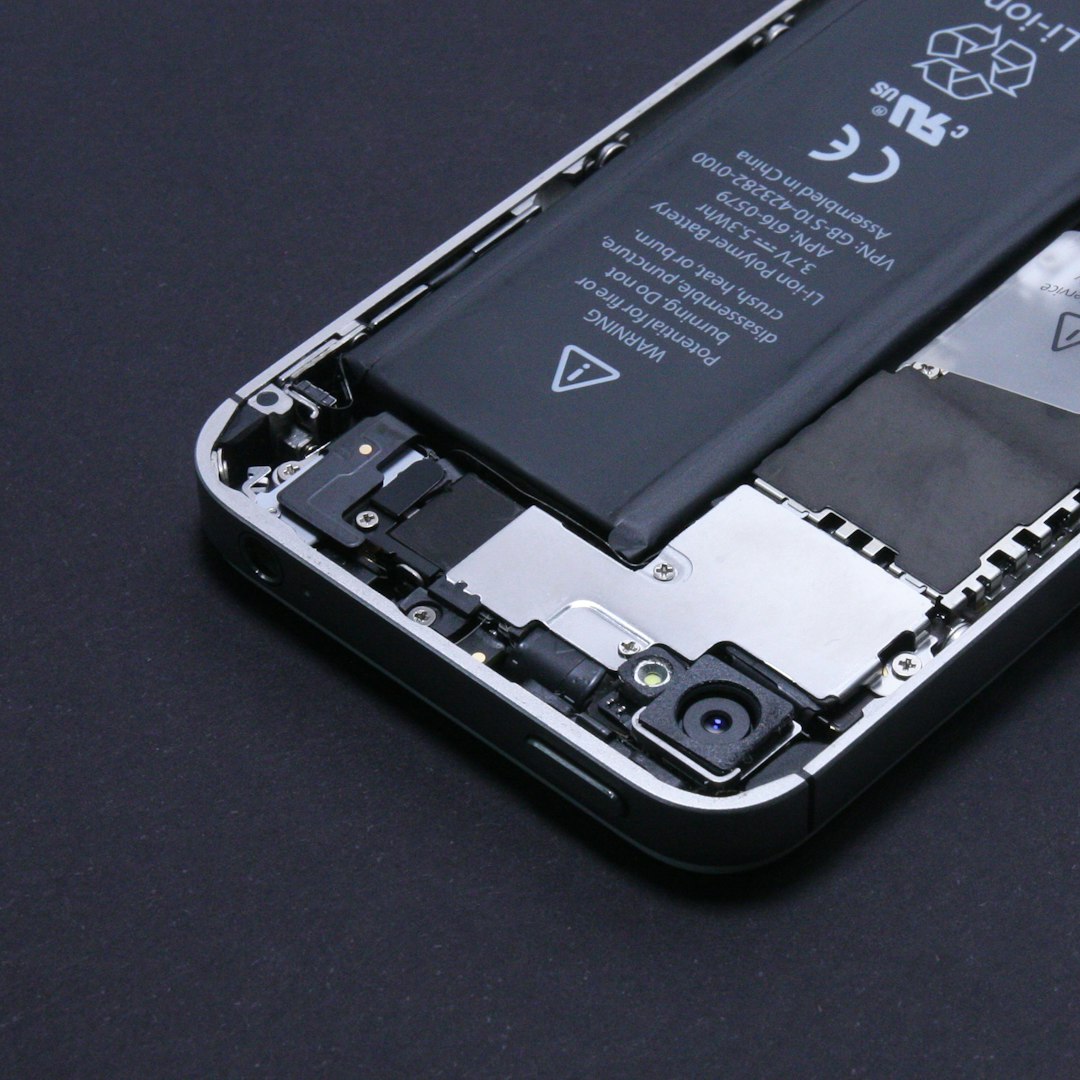
يشهد قطاع التكنولوجيا تحولاً جذرياً بفضل تشريعين تاريخيين أقرهما الاتحاد الأوروبي في عام 2023، يهدفان إلى تعزيز طول عمر المنتجات الإلكترونية المحمولة وقابليتها للإصلاح وإعادة التدوير. هذه الخطوة الرائدة تمهد الطريق لعودة ميزة طال انتظارها: البطاريات القابلة للاستبدال من قبل المستخدم. يمثل هذا التوجه نقلة نوعية نحو اقتصاد دائري أكثر استدامة، ويضع تحدياً أمام الشركات المصنعة لإعادة التفكير في فلسفات تصميم منتجاتها.
يدخل التشريع الأوسع نطاقاً، وهو لائحة المفوضية الأوروبية (EU) 2023/1542، حيز التنفيذ في 18 فبراير 2027، وسيغطي مجموعة واسعة من الأجهزة التي تعمل بالبطاريات، بما في ذلك سماعات الرأس والقارئات الإلكترونية ووحدات التحكم في الألعاب المحمولة وأجهزة الكمبيوتر المحمولة وغيرها الكثير. المتطلب الأساسي بسيط وواضح: يجب أن يكون المستخدمون قادرين على إزالة البطاريات واستبدالها باستخدام أدوات أساسية فقط، أو أدوات متخصصة يتم توفيرها مجاناً مع المنتج. علاوة على ذلك، يجب أن تتوفر بطاريات احتياطية متوافقة للبيع لمدة لا تقل عن خمس سنوات، مما يضمن قدرة المستهلكين على إطالة عمر أجهزتهم دون الحاجة إلى تدخل فني متخصص.
أما الهواتف الذكية والأجهزة اللوحية، فتخضع لقانون منفصل ولكن ذي صلة، وهو لائحة (EU) 2023/1670، التي دخلت حيز التنفيذ العام الماضي. تتطلب هذه اللائحة من الشركات المصنعة توفير مجموعة متنوعة من قطع الغيار، بما في ذلك البطاريات، لمدة سبع سنوات على الأقل. وبينما يجب أن تكون العديد من هذه الأجزاء متاحة للمصلحين المحترفين، فإن البعض الآخر، مثل البطاريات، مصمم ليكون قابلاً للاستبدال من قبل المستخدم العادي باستخدام أدوات بسيطة. ومع ذلك، يوجد استثناء حاسم لهذه الأجهزة: إذا كان الهاتف الذكي أو الجهاز اللوحي يتمتع بتصنيف IP67 (مقاومة الماء والغبار)، وتحتفظ بطاريته بنسبة 83% على الأقل من سعتها بعد 500 دورة شحن، أو 80% بعد 1000 دورة، فيمكن حينئذٍ قصر استبدال البطارية على المحترفين فقط. وقد أوضح الاتحاد الأوروبي أن قواعد الهواتف الذكية والأجهزة اللوحية الحالية "تسود على" اللوائح الأوسع والأحدث.
بالإضافة إلى هذه الفئات الرئيسية، هناك بعض الأجهزة المعفاة تماماً من كلا مجموعتي القواعد. تشمل هذه الإعفاءات بعض الأجهزة الطبية ومنتجات مصممة للاستخدام في بيئات تتعرض بانتظام لرذاذ الماء أو تياراته أو غمره، مثل أدوات السباحة والغوص أو أجهزة الحمام مثل فرش الأسنان الكهربائية. كما يدرس الاتحاد الأوروبي حالياً إعفاءات إضافية للأجهزة القابلة للارتداء مثل الساعات الذكية وأجهزة تتبع اللياقة البدنية والنظارات الذكية، مستشهداً بمخاوف من احتمال تلف البطارية أثناء الإزالة بسبب تصاميمها المدمجة للغاية. ومع ذلك، تعارض مجموعات الدفاع عن حقوق الإصلاح، مثل "الحق في الإصلاح في أوروبا"، هذه الإعفاءات المقترحة، مشيرة إلى أمثلة مثل بطارية Pixel Watch 4 القابلة للإزالة من قبل المستخدم كدليل على إمكانية تحقيق ذلك.
بدأت الشركات المصنعة بالفعل في التكيف مع هذه التغييرات الوشيكة. فبينما كانت البطاريات القابلة للاستبدال من قبل المستخدم نادرة في سماعات الرأس الكبيرة، تشير الإطلاقات الأخيرة مثل سماعات Fender Mix و Sennheiser Momentum 5 إلى اتجاه متزايد، حيث توفر وصولاً سهلاً للبطارية. وقد كانت شركة Fairphone، الرائدة في مجال قابلية الإصلاح، تدعو إلى هذا النهج منذ سنوات، حيث تتميز هواتفها الذكية وحتى سماعات الأذن (Fairbuds) ببطاريات قابلة للاستبدال من قبل المستخدم. وقد صرح ألون براندت، مدير العلاقات العامة في Fairphone، قائلاً: "منتجاتنا الحالية تتوافق بالفعل وتتجاوز هذه المتطلبات القادمة لأننا ركزنا كلياً على قابلية الإصلاح وطول العمر منذ اليوم الأول... لقد كنا قوة دافعة وراء لوائح الاتحاد الأوروبي الجديدة هذه".
يمتد تأثير هذه اللوائح إلى ما هو أبعد من المنتجات الحالية، حيث تشير مقتطفات برمجية وتسريبات إلى أن أجهزة مستقبلية مثل القارئات الإلكترونية Kindle من أمازون، ووحدة التحكم Xbox Elite 3، وحتى نسخة أوروبية من Nintendo Switch 2، قد تتميز ببطاريات قابلة للاستبدال من قبل المستخدم. وبينما يمثل هذا انتصاراً للمستهلكين في الاتحاد الأوروبي، فإنه يثير أيضاً تحدياً محتملاً للمشترين خارج الكتلة. فقد تختار الشركات المصنعة إصدار نسخ خاصة بالاتحاد الأوروبي من منتجاتها، مما قد يؤدي إلى تجزئة السوق وحرمان المستهلكين في مناطق أخرى من هذه الميزات المحسّنة لقابلية الإصلاح، ما لم تقرر الشركات تبني هذه المعايير عالمياً، كما فعلت Sennheiser مع سماعات Momentum 5.