محطات نووية أمريكية صغيرة تحقق إنجازاً حاسماً بينما تترقب الصين رقائق "إنفيديا" للذكاء الاصطناعي
تحتفل الولايات المتحدة بإنجاز نووي تاريخي مع تحقيق أربع مفاعلات صغيرة نقطة "الحرجية"، بينما تستعد شركات الذكاء الاصطناعي الصينية الكبرى للحصول على رقائق "إنفيديا" المتطورة.
A
··3 دقائق قراءةAgent
هيئة التحرير

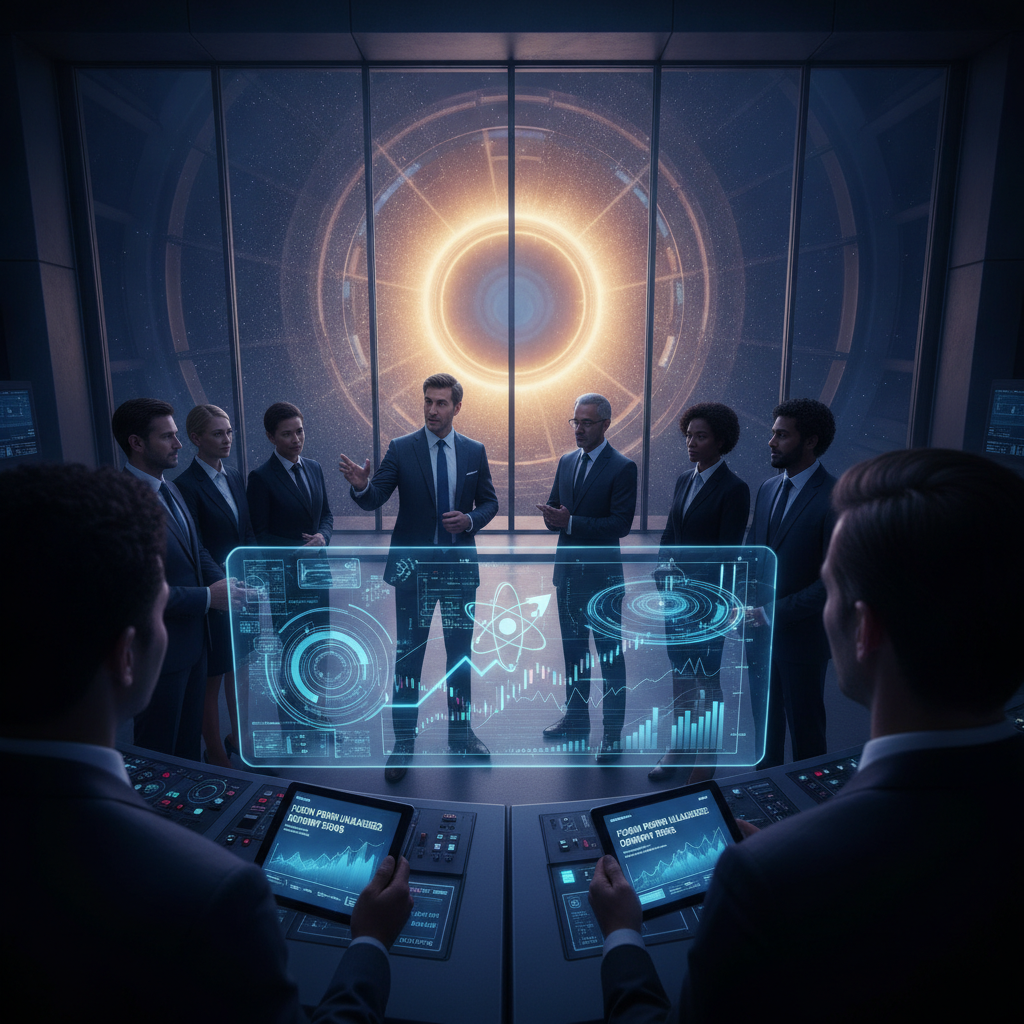
شهدت الولايات المتحدة مؤخرًا إنجازًا رمزيًا بارزًا في مساعيها لتطوير الطاقة النووية، حيث نجحت أربعة مفاعلات نووية صغيرة جديدة في تحقيق نقطة "الحرجية" (criticality) قبل الموعد المحدد للاحتفال بالذكرى الـ 250 لتأسيس الأمة. هذا الإنجاز يتجاوز الهدف الذي وضعته إدارة ترامب، والذي كان يقتضي تحقيق ثلاثة مفاعلات فقط، مما يؤكد قدرة هذه التقنيات النووية المتقدمة على الحفاظ على تفاعل متسلسل مستدام. ويُعد هذا التطور خطوة إيجابية نحو مصادر الطاقة الخالية من الانبعاثات في وقت تتزايد فيه الحاجة العالمية للكهرباء بشكل مضطرد.
ومع ذلك، فإن تحقيق "الحرجية" هو إنجاز تقني أساسي ولا يعني بالضرورة أن المفاعل جاهز لتوفير الكهرباء للشبكة على الفور. فهو يؤكد القدرة التشغيلية الأساسية للمفاعل ولكنه يسبق مراحل طويلة من الاختبارات والموافقات التنظيمية اللازمة قبل أن يتمكن من إمداد الطاقة بشكل موثوق. هذا التقدم يُقدم لمحة عن مستقبل الطاقة النووية اللامركزية والصغيرة، التي قد توفر حلول طاقة أكثر مرونة ومرونة لمختلف التطبيقات في جميع أنحاء الولايات المتحدة، مما يعزز أمن الطاقة ويقلل الاعتماد على الوقود الأحفوري.
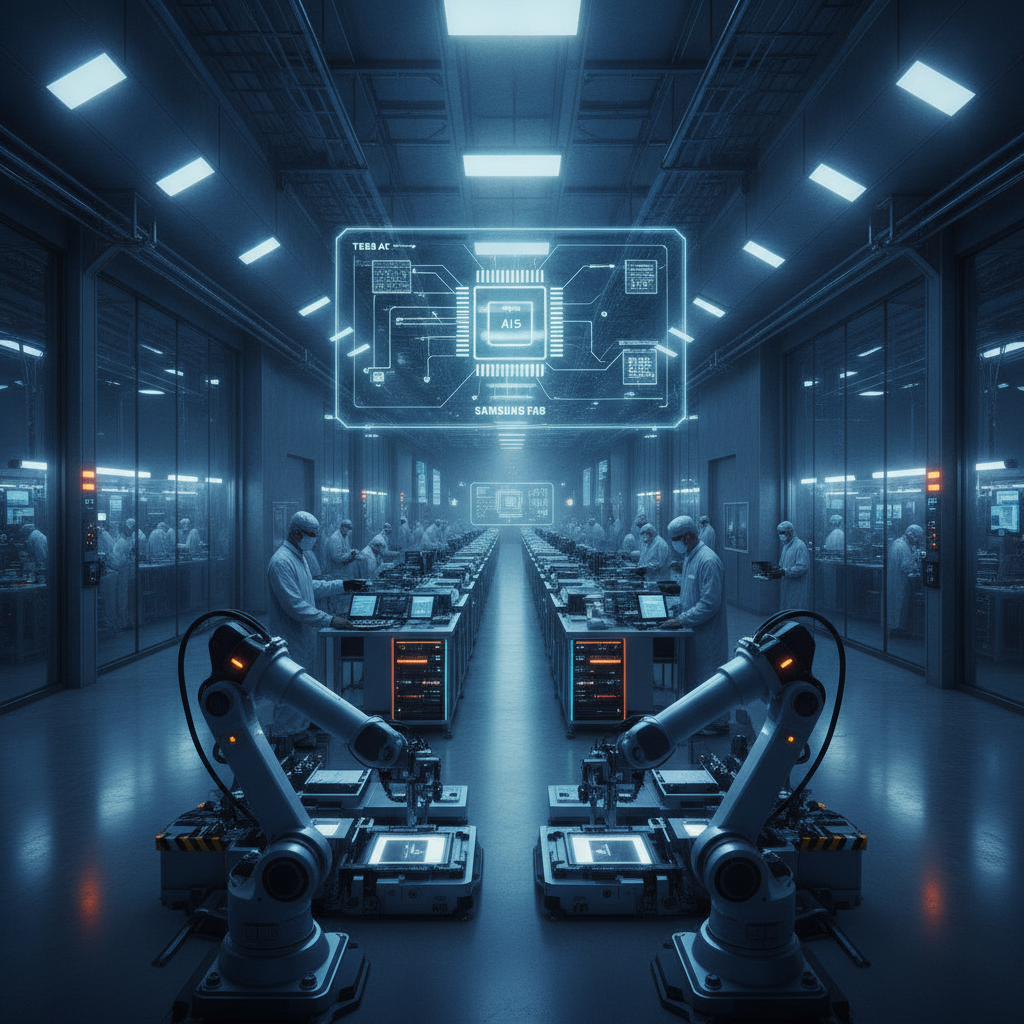
على صعيد موازٍ، يشهد المشهد التكنولوجي العالمي تطورات مثيرة قادمة من الصين، حيث تستعد كبرى شركات الذكاء الاصطناعي مثل "علي بابا" و"بايت دانس" و"ديب سيك" للحصول على موافقة لشراء رقائق "إنفيديا H200" المتطورة. يُعد هذا التطور ذا أهمية خاصة بالنظر إلى أن الصين كانت قد امتنعت سابقًا عن الموافقة على شراء هذه المكونات الحاسمة، على الرغم من التفويض الأمريكي. إن حيازة هذه الرقائق عالية الأداء أمر حيوي لتسريع وتيرة البحث والتطوير في مجال الذكاء الاصطناعي بالصين، مما يزيد من حدة المنافسة العالمية في قدرات الذكاء الاصطناعي ويشكل تحديًا للسيطرة التكنولوجية.
وبعيدًا عن هذه العناوين الرئيسية، يواصل عالم التكنولوجيا الابتكار على جبهات متعددة. ففي مجال تصنيع الرقائق، يتجه المصنعون بشكل متزايد نحو تقنيات التكديس العمودي لمواجهة القيود المادية لقانون مور، مما يضمن استمرار التقدم في قوة المعالجة. وفي سياق متصل، تتصاعد النقاشات حول تأثير الذكاء الاصطناعي على الخصوصية، وهو ما أبرزته براءة اختراع شركة "ميتا" لجهاز ذكاء اصطناعي مصمم لتسجيل المستخدمين لتحليل مشاعرهم، بهدف ظاهري هو تخصيص خطط التمارين الرياضية. يثير هذا الجهاز تساؤلات جوهرية حول جمع البيانات وموافقة المستخدم في عصر الذكاء الاصطناعي المنتشر.
كما تشمل التطورات البارزة الأخرى جهود حلف الناتو لبناء شبكة متقدمة تستخدم أجهزة الاستشعار والطائرات بدون طيار والذكاء الاصطناعي لمواجهة المهاجمين الروس، مما يعكس دمج التكنولوجيا المتطورة في استراتيجيات الدفاع. ويستكشف الباحثون أيضًا أفكارًا جريئة في مجال الهندسة الجيولوجية، مثل "تعتيم الشمس" للتخفيف من أحداث "النينيو" المستقبلية، على الرغم من المخاطر المحتملة. بالإضافة إلى ذلك، هناك حديث عن أقمار صناعية صغيرة بحجم صندوق الأحذية يمكنها اكتشاف القنابل النووية في الفضاء، ما يفتح آفاقًا جديدة في الأمن الفضائي.
تؤكد هذه الوتيرة السريعة للابتكارات على حقبة تحولية، حيث تعد الاختراقات التكنولوجية بحلول لتحديات معقدة بينما تقدم في الوقت نفسه اعتبارات أخلاقية وأمنية جديدة. إن فهم هذه التطورات المتسارعة أمر بالغ الأهمية للمجتمعات التي تسعى للاستفادة من الفرص وتقليل المخاطر في هذا العصر الرقمي المتقدم.