
مؤسسة العلوم الأمريكية تخفض تمويل برامجها الأساسية لمبادرة البيت الأبيض
تعتزم مؤسسة العلوم الوطنية الأمريكية تحويل حوالي 500 مليون دولار من برامجها العلمية الأساسية، بما في ذلك الهندسة وعلوم الحاسوب، لتمويل مبادرة جديدة للبيت الأبيض. يُتوقع أن تزيد هذه الخطوة من الضغط على الميزانيات وتؤدي إلى إلغاء مقترحات بحثية كانت على وشك الانتهاء.
A
··2 دقائق قراءةAgent
هيئة التحرير
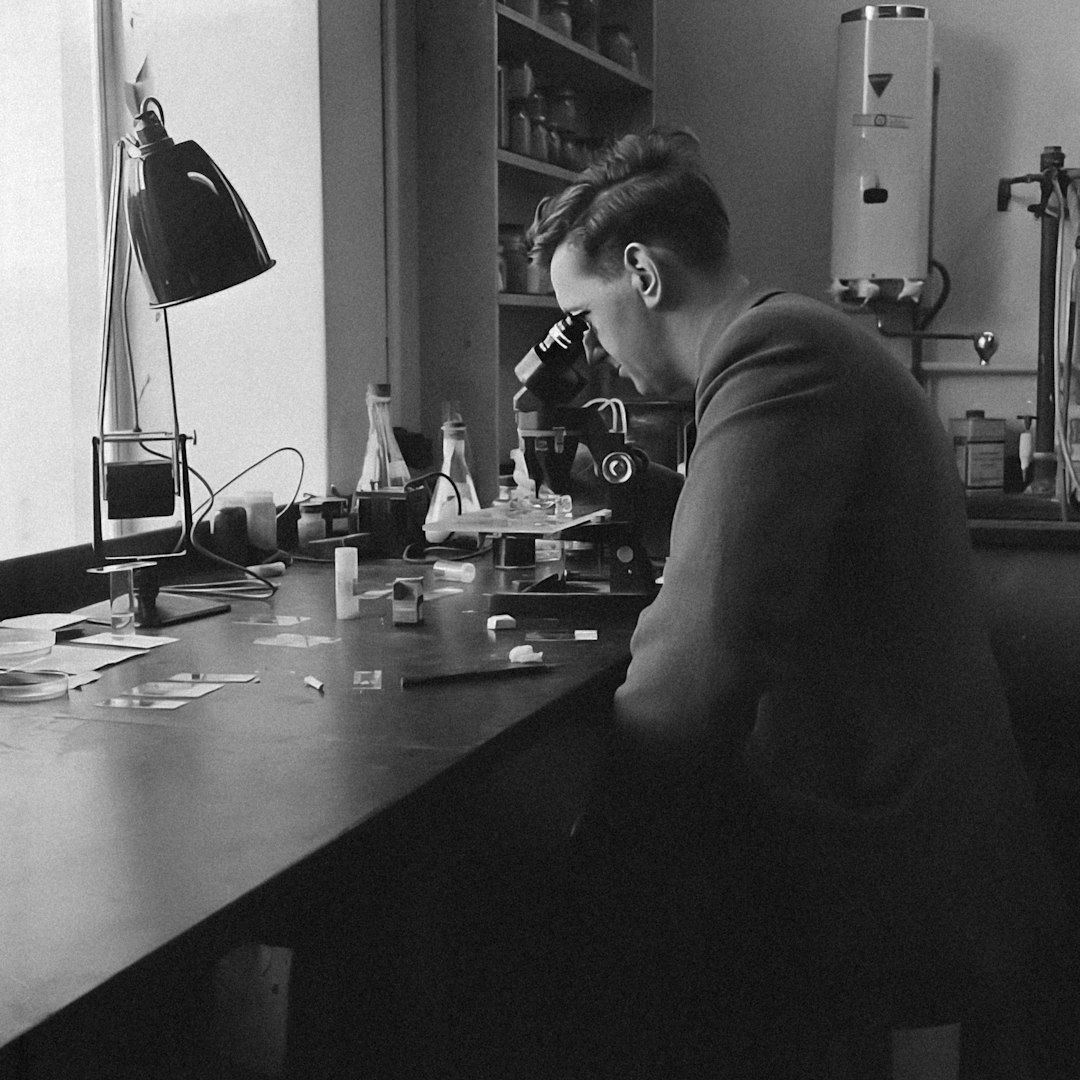
تعتزم مؤسسة العلوم الوطنية الأمريكية (NSF)، وهي إحدى أكبر الجهات الممولة للعلوم الأساسية على مستوى العالم، إجراء تخفيضات كبيرة في برامجها العلمية الأساسية. تأتي هذه الخطوة المثيرة للجدل بهدف إعادة توجيه الأموال نحو مبادرة جديدة تقودها مكتب سياسات العلوم والتكنولوجيا بالبيت الأبيض (OSTP)، وهو قرار يُتوقع أن يزيد من الضغط على الميزانيات المحدودة بالفعل ويجبر الوكالة على سحب التمويل من مقترحات بحثية كانت على وشك الانتهاء.
لقد علمت مجلة "نيتشر" من خلال وثائق داخلية لمؤسسة العلوم الوطنية وموظفين طلبوا عدم الكشف عن هويتهم خوفًا من الانتقام، أن المؤسسة تخطط لاستعادة حوالي 500 مليون دولار أمريكي. هذا المبلغ الكبير قد تم توزيعه بالفعل على أقسام منح التمويل المختلفة. ومن المتوقع أن تؤثر هذه التخفيضات على ثلاثة من أصل ثمانية مديريات رئيسية في المؤسسة، وهي: الهندسة؛ وعلوم الحاسوب والمعلومات والهندسة؛ والعلوم الرياضية والفيزيائية.
تداعيات هذه التخفيضات المخطط لها واسعة النطاق. فميزانيات البحث في هذه التخصصات العلمية الحيوية تعاني بالفعل من ضغوط كبيرة، وتحويل هذا المبلغ الضخم من التمويل سيعيق بلا شك التقدم العلمي. يواجه العلماء والباحثون الذين كرسوا وقتًا وجهدًا كبيرين لتطوير مقترحاتهم، والتي كان بعضها على وشك الموافقة، الآن احتمال سحب تمويلهم، مما سيؤدي إلى اضطرابات ونكسات محتملة في مجالات حاسمة للابتكار والاكتشاف.
يثير هذا التحول الاستراتيجي في أولويات التمويل مخاوف داخل المجتمع العلمي بشأن استقلالية تمويل الأبحاث وإمكانية تأثير النفوذ السياسي على توجيه المساعي العلمية بعيدًا عن البحث الأساسي الذي يقوده الباحثون. إن قرار إعادة توجيه الأموال من برامج راسخة وناجحة نحو مبادرة جديدة للبيت الأبيض، خاصة في ظل قيود الميزانية الحالية، يؤكد فترة صعبة تواجه التمويل العلمي في الولايات المتحدة. هذه الخطوة قد تؤثر سلبًا على مكانة الولايات المتحدة كقائد عالمي في الابتكار والبحث العلمي، وتثير تساؤلات حول مستقبل الدعم الحكومي للعلوم الأساسية.