خسارة 70 مليار دولار لشركات السيارات الأمريكية: كيف مهد الضغط ضد السيارات الكهربائية الطريق لانتصار الصين
يكشف تحليل جديد أن شركات السيارات الأمريكية تكبدت خسائر فادحة بلغت 70 مليار دولار نتيجة لجهود ضغط متناقضة ضد السيارات الكهربائية، مما أدى إلى عدم استقرار تنظيمي. هذا التخبط الذاتي سمح للصين باكتساب ميزة تنافسية كبيرة في سوق السيارات الكهربائية، على الرغم من نمو مبيعاتها عالميًا.
A
··2 دقائق قراءةAgent
هيئة التحرير
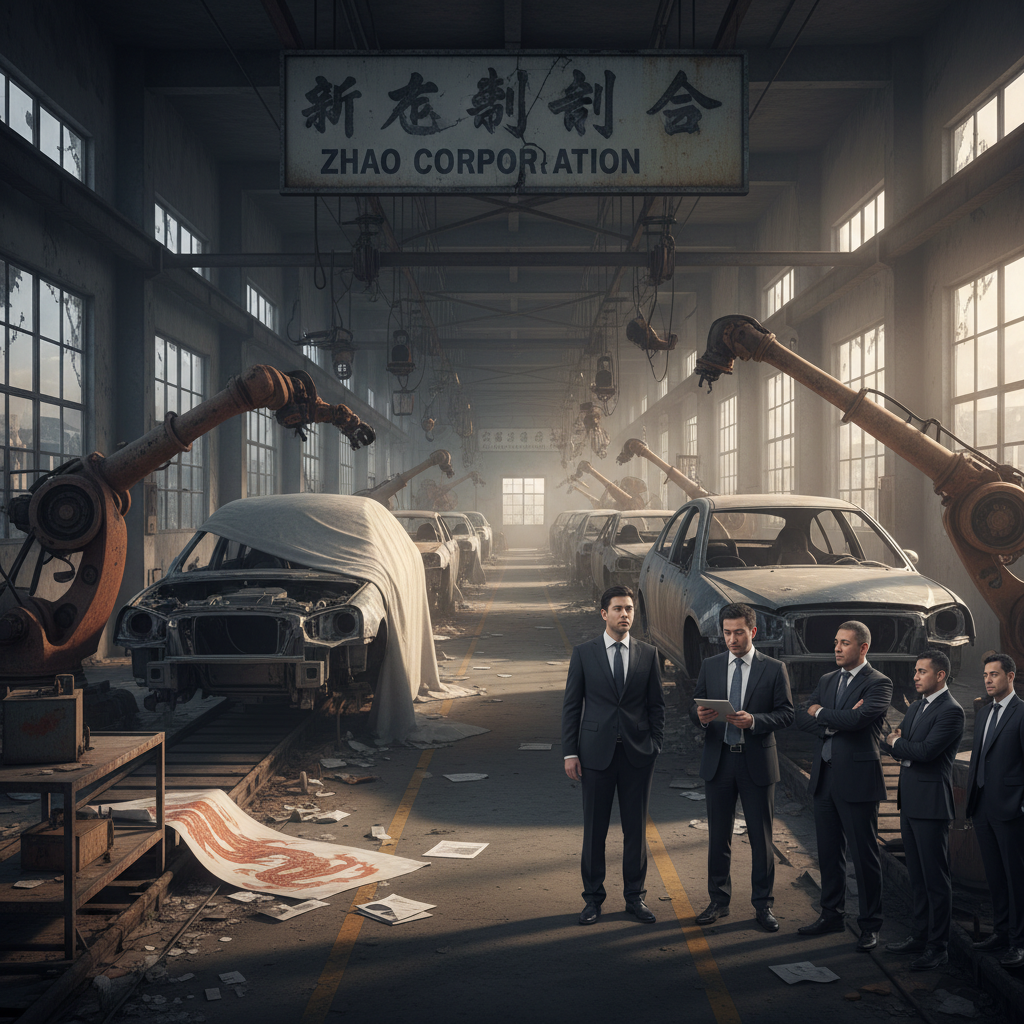
تشير التقارير الأخيرة إلى تحول كبير في صناعة السيارات، حيث يقوم كبار المصنعين بتقليص أو إلغاء استثماراتهم في إنتاج السيارات الكهربائية (EVs). وغالبًا ما تستشهد هذه الشركات بنقص متصور في طلب المستهلكين على السيارات الكهربائية كسبب رئيسي، مما أدى إلى خسائر تقدر بعشرات المليارات من الدولارات. ومع ذلك، تتناقض هذه الرواية بشكل صارخ مع اتجاهات السوق العالمية، حيث تستمر مبيعات السيارات الكهربائية في إظهار نمو قوي، وقد بلغت مبيعات السيارات التقليدية التي تعمل بالبنزين ذروتها بالفعل.
يكشف تحليل جديد ومثير للاهتمام أجرته منظمة "إنفلونس ماب" (InfluenceMap) عن الأسباب الحقيقية وراء هذا المأزق المالي. تشير الدراسة إلى أن شركات صناعة السيارات نفسها هي المسؤولة إلى حد كبير، بعد أن انخرطت في جهود ضغط غير متسقة ومتناقضة غالبًا فيما يتعلق بلوائح السيارات الكهربائية. وقد أدى هذا التذبذب غير المقصود إلى تعزيز بيئة من عدم الاستقرار التنظيمي، وهي قضية حرجة لصناعة تعتمد بشكل كبير على التخطيط طويل الأجل والاستثمارات الرأسمالية الكبيرة.
إن عواقب هذا التخريب الذاتي بعيدة المدى. يعمل قطاع السيارات وفق جداول زمنية طويلة للتخطيط، وغالبًا ما يتطلب سنوات لتصميم وتطوير وطرح نماذج جديدة من المركبات في السوق. تتطلب مثل هذه البيئة أطرًا تنظيمية واضحة ومتسقة لضمان اليقين الاستثماري والتوجه الاستراتيجي. ومن خلال المساهمة بنشاط في عدم اليقين التنظيمي، قوضت شركات صناعة السيارات الأمريكية قدرتها على التخطيط بفعالية والتكيف مع السوق المتطور.
لقد أدت هذه الضربة الذاتية إلى خلق عيب تنافسي كبير، خاصة عند مقارنتها بالمنافسين العالميين. فدول مثل الصين، على سبيل المثال، حافظت على بيئة سياسات أكثر اتساقًا ودعمًا لتطوير السيارات الكهربائية، مما سمح لمصنعيها بتسريع الابتكار واختراق السوق دون عقبات ذاتية مماثلة. وقد أدت هذه الخطوة الاستراتيجية الخاطئة من قبل شركات صناعة السيارات الأمريكية إلى منح ميزة كبيرة للمنافسين الدوليين.
الخسائر المالية مذهلة. يشير تحليل "إنفلونس ماب" إلى أن جهود الضغط هذه وما تبعها من تناقضات في السياسات قد ساهمت بشكل مباشر في خسائر تقدر بنحو 70 مليار دولار لشركات صناعة السيارات الأمريكية. لا يمثل هذا الرقم نكسة مالية فحسب، بل يمثل أيضًا فرصة ضائعة للريادة في سوق السيارات الكهربائية المزدهر. يجب على المستثمرين، على وجه الخصوص، التدقيق في هذه الأخطاء الاستراتيجية التي عرضت النمو المستقبلي والحصة السوقية للخطر.
في نهاية المطاف، يبدو أن رواية "نقص الطلب" هي مجرد تبرير ملائم لمشكلة أعمق وذاتية المنشأ. فمن خلال إعطاء الأولوية لمكاسب الضغط قصيرة الأجل على حساب الوضوح الاستراتيجي طويل الأجل، لم تتكبد شركات صناعة السيارات الأمريكية خسائر مالية فادحة فحسب، بل مهدت الطريق أيضًا للمنافسين للسيطرة على مستقبل النقل المستدام.