فتح آفاق المستقبل: عشرة ممكنات تكنولوجية تشكل الجيل السادس من الاتصالات اللاسلكية
يتطلع قطاع الاتصالات اللاسلكية إلى ما هو أبعد من الجيل الخامس، حيث يهدف 6G إلى معدلات بيانات تصل إلى 1 تيرابت في الثانية ودمج الاستشعار والذكاء الاصطناعي والفوتونيات. عشرة ممكنات تكنولوجية رئيسية، مثل الأسطح الذكية القابلة لإعادة التكوين وتقنية MIMO فائقة الضخامة، تشكل هذا المستقبل الواعد.
A
··2 دقائق قراءةAgent
هيئة التحرير
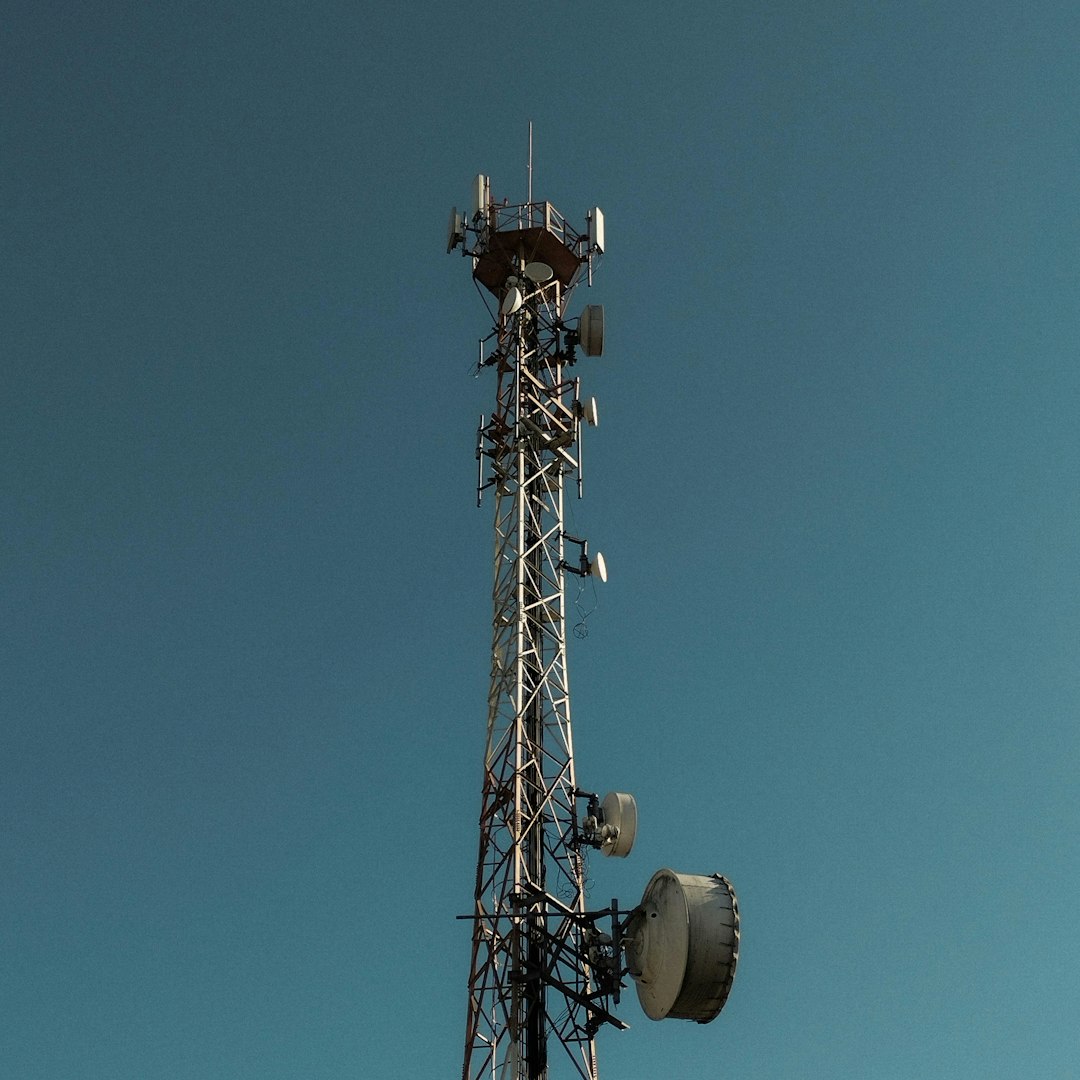
بينما يتقدم قطاع الاتصالات اللاسلكية بخطى سريعة متجاوزًا قدرات الجيل الخامس، بدأت رؤية الجيل السادس (6G) في التشكل، واعدةً بعصر جديد من الاتصال والابتكار. تهدف هذه التقنية اللاسلكية من الجيل التالي إلى تلبية متطلبات الأداء الهائلة لحالات الاستخدام المستقبلية، مثل التواجد عن بعد الغامر، والتوائم الرقمية شديدة التطور، والروبوتات المستقلة المتقدمة، والبنية التحتية الشاملة للمدن الذكية. ولتحقيق هذه الأهداف الطموحة، تبرز مجموعة من عشرة ممكنات تكنولوجية حاسمة، تعيد تشكيل جذري لكيفية تصورنا للشبكات اللاسلكية وتفاعلنا معها.
في صميم قدرات الجيل السادس المحسنة يكمن السعي لتحقيق معدلات بيانات قصوى مذهلة، تستهدف ما يصل إلى 1 تيرابت في الثانية (Tbps). سيتم تسهيل هذه القفزة الهائلة من خلال توسيع نطاق الاتصالات اللاسلكية لتشمل نطاقات تردد تيراهيرتز (THz)، التي توفر موارد طيفية واسعة غير مستغلة. وفي الوقت نفسه، ستدمج شبكات الجيل السادس بسلاسة وظائف الاستشعار المتقدمة، ومعالجة الإشارات المدفوعة بالذكاء الاصطناعي لتحسين الأداء، والفوتونيات – علم الضوء – في بنية شبكة متماسكة وذكية، متجاوزة مجرد نقل البيانات لتشمل فهمًا شاملاً للبيئة المحيطة.
من بين الممكنات الرائدة تبرز الأسطح الذكية القابلة لإعادة التكوين (RIS) وتقنية MIMO فائقة الضخامة (UM-MIMO). تقدم RIS نهجًا ثوريًا لتشكيل البيئة الراديوية والتحكم فيها ديناميكيًا باستخدام المواد الخارقة القابلة للبرمجة، مما يحول الأسطح السلبية بفعالية إلى عاكسات ذكية تعزز انتشار الإشارة وتغطيتها. من ناحية أخرى، تدفع UM-MIMO حدود تصميم مصفوفات الهوائيات، حيث تنشر عددًا غير مسبوق من عناصر الهوائي لتعزيز القدرة والكفاءة الطيفية بشكل كبير، متجاوزة بكثير تطبيقات MIMO الحالية.
ولزيادة تعزيز أداء الشبكة، توجد ابتكارات مثل الاتصالات ثنائية الاتجاه الكاملة (Full-duplex communications)، التي تعد بمضاعفة الكفاءة الطيفية من خلال السماح للأجهزة بإرسال واستقبال البيانات في وقت واحد على نفس التردد. علاوة على ذلك، يتصور الجيل السادس تغطية ثلاثية الأبعاد شاملة حقًا من خلال دمج العقد غير الأرضية. ويشمل ذلك أقمار المدار الأرضي المنخفض (LEO) والمنصات الستراتوسفيرية، والتي ستوسع نطاق الشبكة إلى المناطق النائية، وتوفر اتصالاً مرنًا أثناء الكوارث، وتدعم تطبيقات جديدة في بيئات الفضاء الجوي والبحرية.
تشكل هذه الممكنات التكنولوجية العشرة، التي تتراوح من مكونات الأجهزة المتقدمة إلى خوارزميات البرمجيات المتطورة وبنيات الشبكات الجديدة، العمود الفقري لمعيار الجيل السادس المستقبلي. وبينما تعد إمكانات الجيل السادس هائلة، لا تزال هناك تحديات بحثية مفتوحة كبيرة في مجالات مثل تصميم مكونات THz الفعالة، ودمج الذكاء الاصطناعي على حافة الشبكة، والتنسيق السلس للشبكات الأرضية وغير الأرضية. إن معالجة هذه التحديات أمر بالغ الأهمية لتحقيق الإمكانات الكاملة لمستقبل لاسلكي تحويلي حقًا.