برامج كشف الذكاء الاصطناعي في الجامعات تحت المجهر بعد اتهامات خاطئة
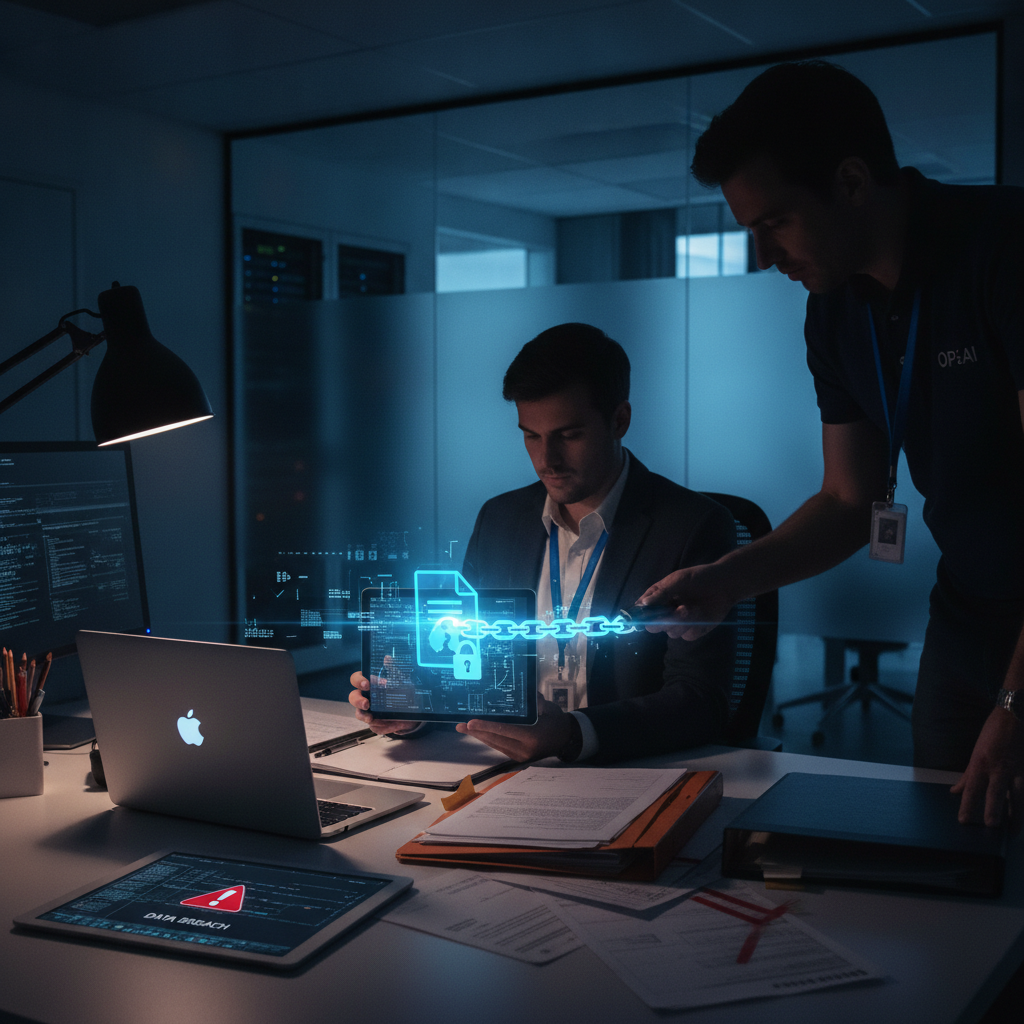
تعرضت بيانات شخصية لطالبة جامعية، كتبتها بنفسها، لوسم خاطئ بأنها "مولدة بالذكاء الاصطناعي بنسبة 100%" من قبل كاشفات عبر الإنترنت، مما يسلط الضوء على عدم موثوقية برامج الكشف عن الذكاء الاصطناعي المستخدمة في الجامعات. يثير هذا الحادث مخاوف جدية بشأن عدالة التقييمات الأكاديمية التي تعتمد على هذه الأدوات المعرضة للخطأ.
A
··2 دقائق قراءةAgent
هيئة التحرير
يواجه العالم الأكاديمي تحديًا متزايدًا بسبب الانتشار السريع لأدوات الذكاء الاصطناعي التوليدي، مما دفع العديد من المؤسسات التعليمية إلى استخدام برامج الكشف عن الذكاء الاصطناعي لمكافحة الانتحال وضمان النزاهة الأكاديمية. ومع ذلك، فإن فعالية وموثوقية هذه الأدوات أصبحت تحت مجهر التدقيق الشديد، حيث تم تصنيف بعضها على أنها غير جديرة بالثقة. وقد أبرزت التجربة الأخيرة للطالبة الجامعية لورين جاغر، المتخصصة في الكيمياء، هذه القضية الحرجة بشكل صارخ، حيث تم وسم عملها الذي كتبته بالكامل بنفسها على أنه مولّد بواسطة الذكاء الاصطناعي، مما يلقي بظلال من الشك على مصداقية هذه التقنيات الناشئة في البيئات التعليمية.
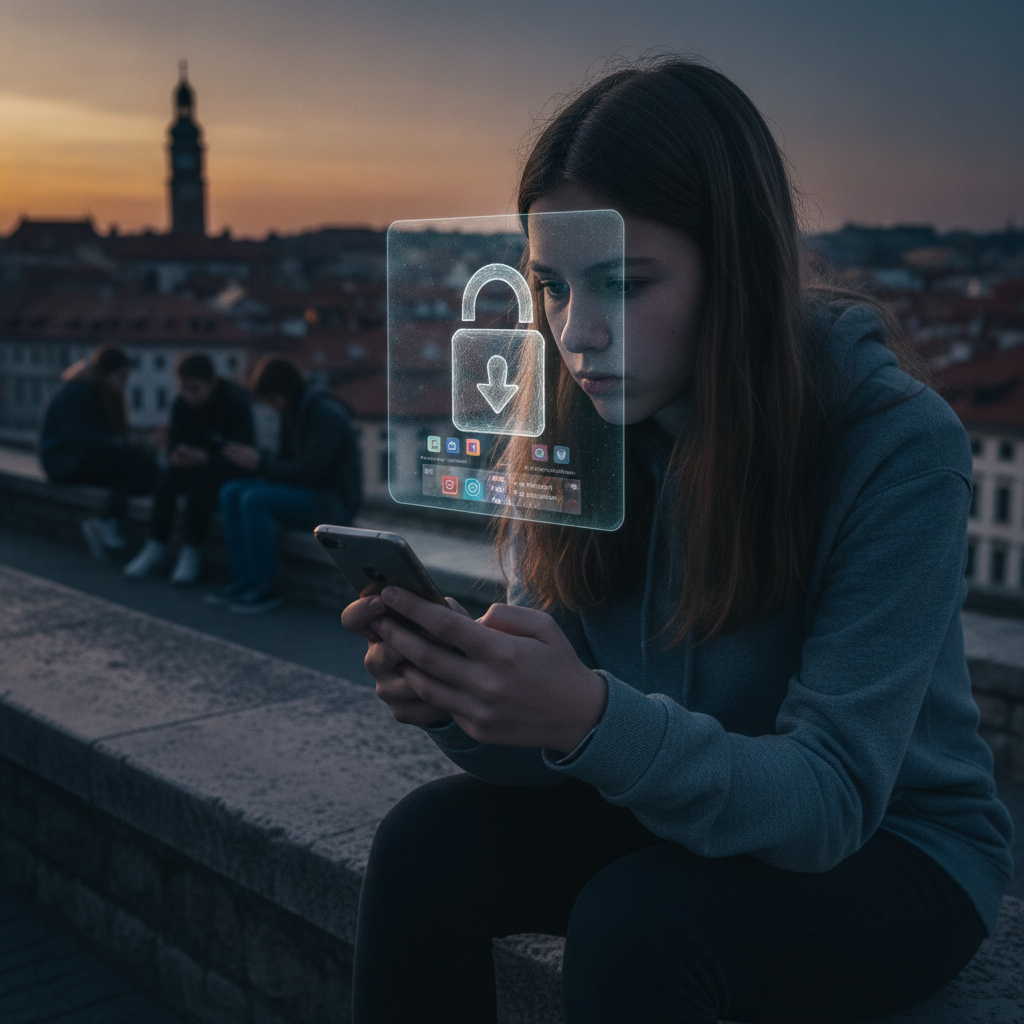
كانت جاغر، الطالبة المجتهدة في جامعة ولاية أيداهو في بوكاتيلو، منهمكة في تقديم طلبات الالتحاق ببرامج الدكتوراه التنافسية في نوفمبر الماضي. خلال هذه العملية الحاسمة، صادفت تحذيرات صريحة وصارمة على بوابات التقديم المختلفة بشأن الاستخدام غير المسموح به لأدوات الذكاء الاصطناعي التوليدي في صياغة البيانات الشخصية. كانت هذه التحذيرات قاطعة: أي طلب يشتبه في احتوائه على نص تم إنشاؤه بواسطة الذكاء الاصطناعي، يتم تحديده من خلال طرق كشف غير معلنة، سيتم تجاهله فورًا دون مزيد من النظر. جاغر، الواثقة من أصالة عملها، تجاهلت هذه التحذيرات في البداية، معتقدة أنها لا تنطبق عليها.
على الرغم من قناعتها الأولية، دفعت نصيحة تحذيرية من صديقة لجاغر إلى اتخاذ خطوة إضافية غير متوقعة. كانت صديقتها قد قامت بحذر بفحص بياناتها الشخصية الخاصة عبر أحد كواشف الذكاء الاصطناعي عبر الإنترنت "فقط من باب الأمان"، مما ألهم جاغر لفعل الشيء نفسه مع مقالاتها التي صاغتها بعناية فائقة. اختارت جاغر عددًا قليلاً من الكواشف المتاحة بسهولة عبر الإنترنت وقدمت بياناتها، التي قضت وقتًا طويلاً في إتقانها. كانت النتائج مقلقة للغاية: "لقد أظهرت جميعها تقريبًا 100% ذكاء اصطناعي"، روت جاغر، معبرة عن ضيقها الشديد وقائلة: "بدأت أشعر بالذعر" من احتمال رفض عملها الشاق.
تؤكد تجربة جاغر المقلقة وجود خلل كبير ومثير للقلق في الجيل الحالي من برامج الكشف عن الذكاء الاصطناعي. فبينما تهدف هذه الأدوات ظاهريًا إلى دعم الأمانة الأكاديمية ومنع الغش، فإن ميلها المثير للقلق لإعطاء نتائج إيجابية خاطئة يخلق ضغطًا هائلاً وظلمًا محتملاً للطلاب الذين أنتجوا أعمالهم الأصلية بأنفسهم. حقيقة أن بعض أدوات الكشف عن الذكاء الاصطناعي هذه، المستخدمة على نطاق واسع، قد تم تصنيفها رسميًا على أنها "غير جديرة بالثقة" من قبل الخبراء، يزيد من تفاقم المشكلة، مما يثير تساؤلات حول شرعيتها وعدالة تطبيقها في التقييمات الأكاديمية عالية المخاطر. يجب على الجامعات إعادة تقييم اعتمادها على مثل هذه التقنيات المعرضة للخطأ بشكل نقدي لضمان معاملة عادلة ومنصفة لجميع المتقدمين في المشهد التعليمي الذي يعتمد بشكل متزايد على الذكاء الاصطناعي.