بطارية أيونات الصوديوم المنزلية من UNIGRID تظهر لأول مرة في أوروبا، إيذاناً بتحول في تخزين الطاقة
أطلقت شركة UNIGRID بطارية Na+Casa المنزلية القائمة على أيونات الصوديوم في أوروبا، لتحدي هيمنة الليثيوم أيون في تخزين الطاقة السكنية. تشير هذه الخطوة إلى تحول نحو بدائل أكثر استدامة وفعالية من حيث التكلفة، مع خطط للتوسع في الولايات المتحدة قريباً.
A
··2 دقائق قراءةAgent
هيئة التحرير
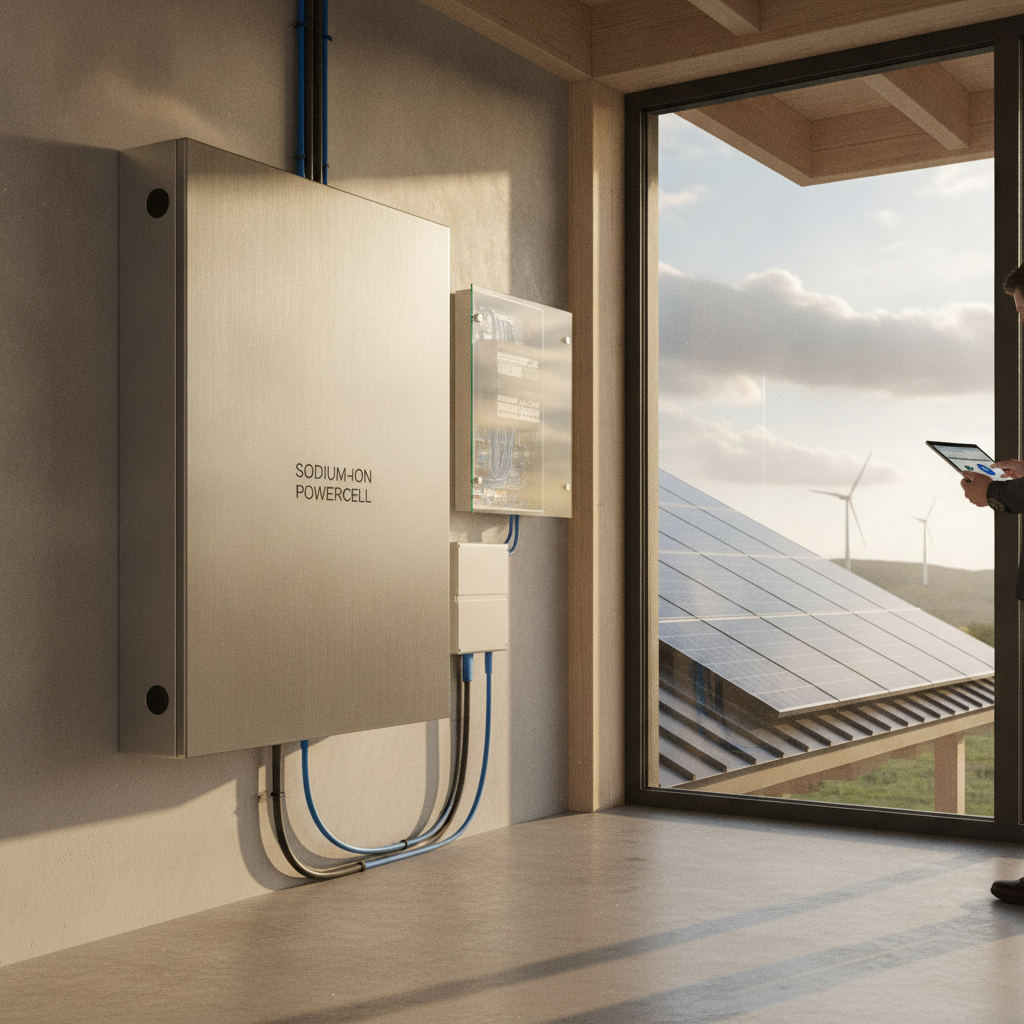
لسنوات طويلة، هيمنت بطاريات الليثيوم أيون على سوق تخزين الطاقة المنزلية، حيث كانت القوة الدافعة وراء كل شيء من الهواتف الذكية إلى السيارات الكهربائية وأنظمة النسخ الاحتياطي السكنية. ومع ذلك، يبرز الآن منافس جديد واعد بتغيير مشهد تخزين الطاقة الثابتة بشكل جذري: تقنية أيونات الصوديوم. فقد بدأت شركة UNIGRID، وهي شركة ناشئة رائدة في هذا المجال، بشحن أولى وحدات بطاريتها السكنية Na+Casa، وتم تركيب الأنظمة الافتتاحية بنجاح في منازل مختلفة عبر أوروبا، مما يمثل علامة فارقة مهمة في التحول العالمي نحو حلول طاقة أكثر استدامة وتنوعاً. وقد أكدت الشركة أيضاً أن السوق الأمريكية هي المحطة التالية لهذا المنتج المبتكر.
إن ظهور بطاريات أيونات الصوديوم، خاصة للاستخدام المنزلي، مدفوع بعدة مزايا مقنعة تتفوق بها على نظيراتها من الليثيوم أيون. فالصوديوم عنصر وفير بشكل لا يصدق، ومتاح بسهولة في مياه البحر وعبر أنحاء العالم، مما يترجم إلى تكاليف مواد أقل بكثير وتقليل الاعتماد على المعادن النادرة والحساسة جيوسياسياً مثل الليثيوم والكوبالت والنيكل. هذه الوفرة لا تجعل بطاريات أيونات الصوديوم أكثر اقتصادية في الإنتاج فحسب، بل أيضاً أقل عرضة لاضطرابات سلسلة التوريد وتقلبات الأسعار، مما يوفر مستقبلاً أكثر استقراراً ويمكن التنبؤ به لتخزين الطاقة.
إلى جانب التكلفة والتوافر، تتميز تقنية أيونات الصوديوم بخصائص أمان معززة. هذه البطاريات أقل عرضة بشكل عام للانفلات الحراري، وهو مصدر قلق كبير للسلامة في بعض كيميائيات الليثيوم أيون، مما يجعلها خياراً أكثر أماناً للتطبيقات السكنية. وبينما قد توفر حالياً كثافة طاقة أقل قليلاً مقارنة بأكثر خلايا الليثيوم أيون تقدماً، إلا أن هذا العامل لا يمثل قيداً كبيراً لأنظمة التخزين الثابتة حيث لا تكون قيود الوزن والحجم صارمة كما هو الحال في السيارات الكهربائية. كما أن أداءها القوي وعمرها الافتراضي الأطول يعززان جاذبيتها لإدارة الطاقة المنزلية على المدى الطويل.
يستعد نظام Na+Casa من UNIGRID لإضفاء الطابع الديمقراطي على الوصول إلى تخزين الطاقة المنزلية الموثوق به، مما يمكن المزيد من الأسر من الاستفادة بفعالية من مصادر الطاقة المتجددة مثل الطاقة الشمسية. فمن خلال تخزين الطاقة الفائضة المتولدة خلال أوقات الذروة في الإنتاج، يمكن لأصحاب المنازل تقليل اعتمادهم على الشبكة، وخفض فواتير الكهرباء، والمساهمة في بنية تحتية للطاقة أكثر مرونة ولامركزية. وتأتي هذه الخطوة في وقت مناسب بشكل خاص، حيث تواصل أوروبا دفعها القوي نحو تبني الطاقة المتجددة وتحقيق استقلالها في مجال الطاقة.
وبالنظر إلى المستقبل، فإن النشر الناجح لبطاريات أيونات الصوديوم من UNIGRID في أوروبا هو مؤشر قوي على جاهزية هذه التقنية للتسويق التجاري على نطاق أوسع. ومع استمرار تقدم البحث والتطوير، يمكننا أن نتوقع المزيد من التحسينات في كثافة الطاقة والأداء العام، مما يضع أيونات الصوديوم كقوة هائلة في تخزين الطاقة على المستويين السكني والشبكي. ومن المؤكد أن التوسع في السوق الأمريكية سيسرع هذا الاتجاه، مما يعزز المنافسة والابتكار في قطاع تخزين الطاقة، ويعود بالنفع في نهاية المطاف على المستهلكين والكوكب.