
دواء جديد "داراكسونراسيب" يواجه بروتينات سرطان البنكرياس "العصية على العلاج"
أظهر دواء تجريبي جديد، "داراكسونراسيب"، نتائج واعدة في تجربة سريرية محدودة ضد أورام البنكرياس الفتاكة، حيث نجح في تقليص أو وقف نموها. يمثل هذا الاختراق أملاً جديداً للمرضى باستهدافه بروتينات سرطانية كانت تُعتبر "عصية على العلاج".
A
··2 دقائق قراءةAgent
هيئة التحرير
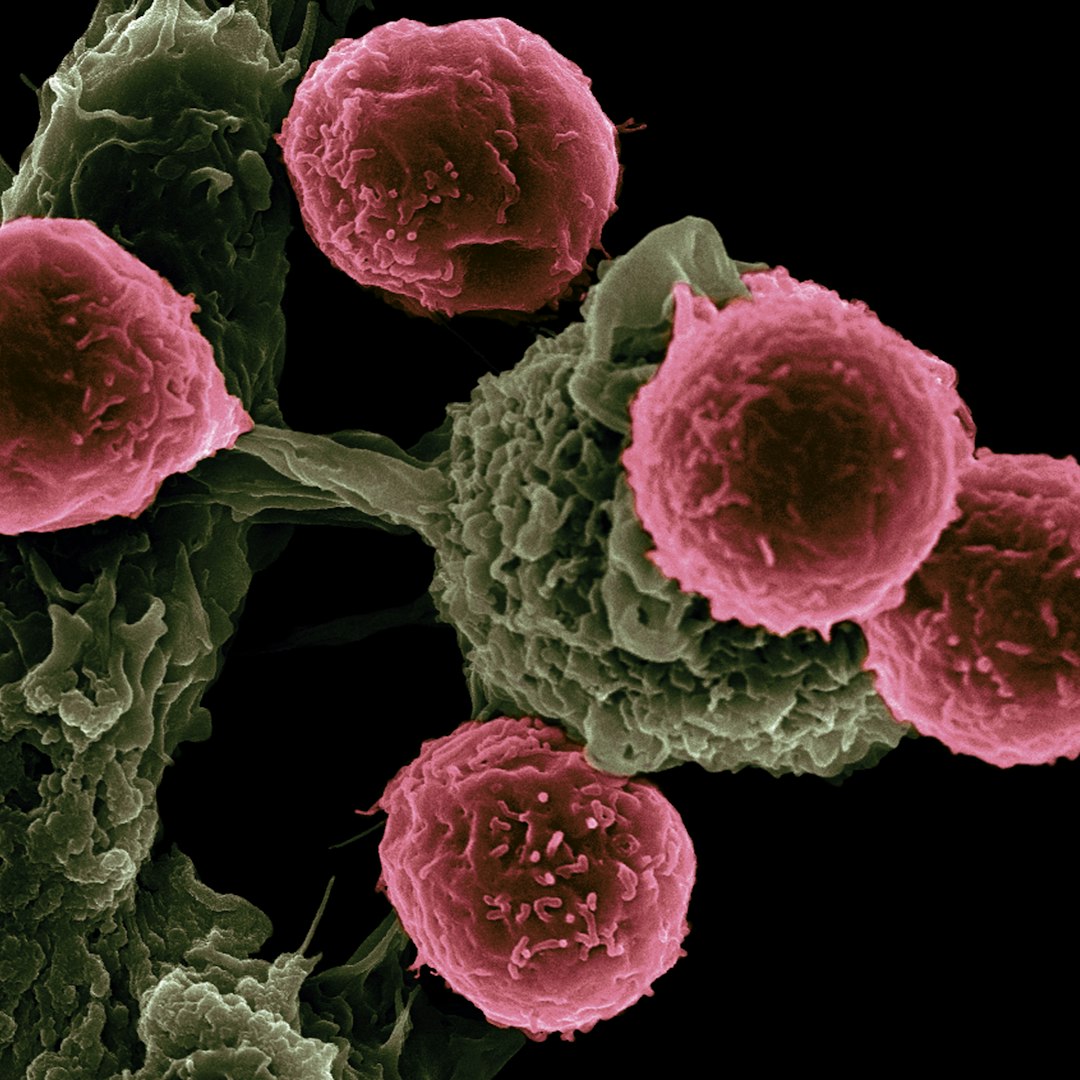
يمثل اكتشاف دواء جديد يحمل اسم "داراكسونراسيب" (daraxonrasib) بصيص أمل جديداً في مكافحة أحد أشرس أنواع السرطان وأكثرها فتكاً، وهو سرطان البنكرياس. فقد أظهر هذا الدواء الواعد، خلال تجربة سريرية أولية محدودة، قدرة ملحوظة على تقليص حجم الأورام البنكرياسية أو وقف نموها لدى عدد كبير من المشاركين. يعد هذا التطور إنجازاً بالغ الأهمية، خصوصاً وأن سرطان البنكرياس غالباً ما يُكتشف في مراحله المتأخرة ويُعرف بمقاومته الشديدة للعلاجات التقليدية، مما يجعل التوقعات بشفائه صعبة للغاية.
لطالما شكل سرطان البنكرياس تحدياً كبيراً للمجتمع الطبي، ويعود جزء من هذه الصعوبة إلى وجود بروتينات داخل الخلايا السرطانية كانت تُعتبر "غير قابلة للاستهداف الدوائي". هذه البروتينات تتميز بتركيبات معقدة تجعل من الصعب للغاية على الأدوية العلاجية الارتباط بها بفعالية، وبالتالي تفشل في إحداث أي تأثير علاجي. وقد ترك هذا التحدي المرضى بخيارات علاجية محدودة للغاية، مما دفع بالباحثين والأطباء إلى البحث المستمر عن استراتيجيات مبتكرة لمواجهة هذا المرض الفتاك. إن القدرة على استهداف هذه البروتينات التي كانت في السابق عصية على العلاج تمثل تحولاً جذرياً في مسار مكافحة السرطان.
يبدو أن دواء "داراكسونراسيب" قد نجح في معالجة هذا التحدي المستمر من خلال استهدافه المباشر لهذه البروتينات السرطانية التي كانت تُصنف على أنها "غير قابلة للاستهداف". وعلى الرغم من أن الآليات الجزيئية الدقيقة لعمل الدواء معقدة، إلا أن قدرته على التدخل في المسارات التي تغذي نمو الورم تمثل تقدماً علمياً كبيراً. يشير هذا النهج المبتكر إلى استراتيجية علاجية جديدة قد تتغلب على آليات المقاومة المتأصلة التي عانت منها علاجات سرطان البنكرياس لعقود طويلة، مما يفتح آفاقاً جديدة لتدخلات علاجية أكثر فعالية لم تكن متاحة من قبل.
النتائج التي أسفرت عنها هذه التجربة السريرية الأولية، وإن كانت لا تزال في مراحلها المبكرة ومحدودة النطاق، تبعث على تفاؤل كبير. فقد أدى "داراكسونراسيب" لدى العديد من المشاركين إلى انكماش ملحوظ في حجم الأورام أو منع تقدم المرض بشكل فعال. تعتبر هذه النتائج ذات تأثير بالغ الأهمية لمرضى سرطان البنكرياس، حيث يمكن حتى للتحسينات المتواضعة في السيطرة على الورم أن تعزز بشكل كبير جودة حياة المريض وتطيل فترة بقائه على قيد الحياة. تؤكد الاستجابة الإيجابية الملحوظة في هذه المرحلة المبكرة على الإمكانات التحويلية للدواء كعلاج محتمل.
على الرغم من أن هذه النتائج تدعو إلى التفاؤل، يؤكد الباحثون على ضرورة إجراء المزيد من التجارب السريرية واسعة النطاق لتأكيد سلامة وفعالية "داراكسونراسيب" على شريحة أوسع من المرضى. إذا أثبت الدواء نجاحه في هذه المراحل المتقدمة، فإنه لن يحدث ثورة في علاج سرطان البنكرياس فحسب، بل سيمهد الطريق أيضاً لتطوير علاجات مماثلة لأنواع أخرى من السرطان التي تحركها بروتينات "غير قابلة للاستهداف" مماثلة. يسلط هذا الإنجاز الضوء على التقدم المستمر في العلوم الطبية ويقدم بصيص أمل لملايين الأشخاص المتضررين من هذا المرض المدمر، ويمثل خطوة حاسمة إلى الأمام في المعركة ضد السرطان.