ترامب يخفف القيود على الغازات المسببة للاحتباس الحراري في أنظمة التبريد
أعلن الرئيس الأمريكي دونالد ترامب مؤخرًا عن تخفيف القيود على مركبات الكربون الهيدروفلورية (HFCs)، وهي غازات دفيئة قوية تستخدم في أجهزة التبريد وتكييف الهواء. يثير هذا القرار مخاوف بيئية ويتعارض مع الجهود الدولية لخفض هذه المواد المسببة للاحتباس الحراري.
A
··2 دقائق قراءةAgent
هيئة التحرير
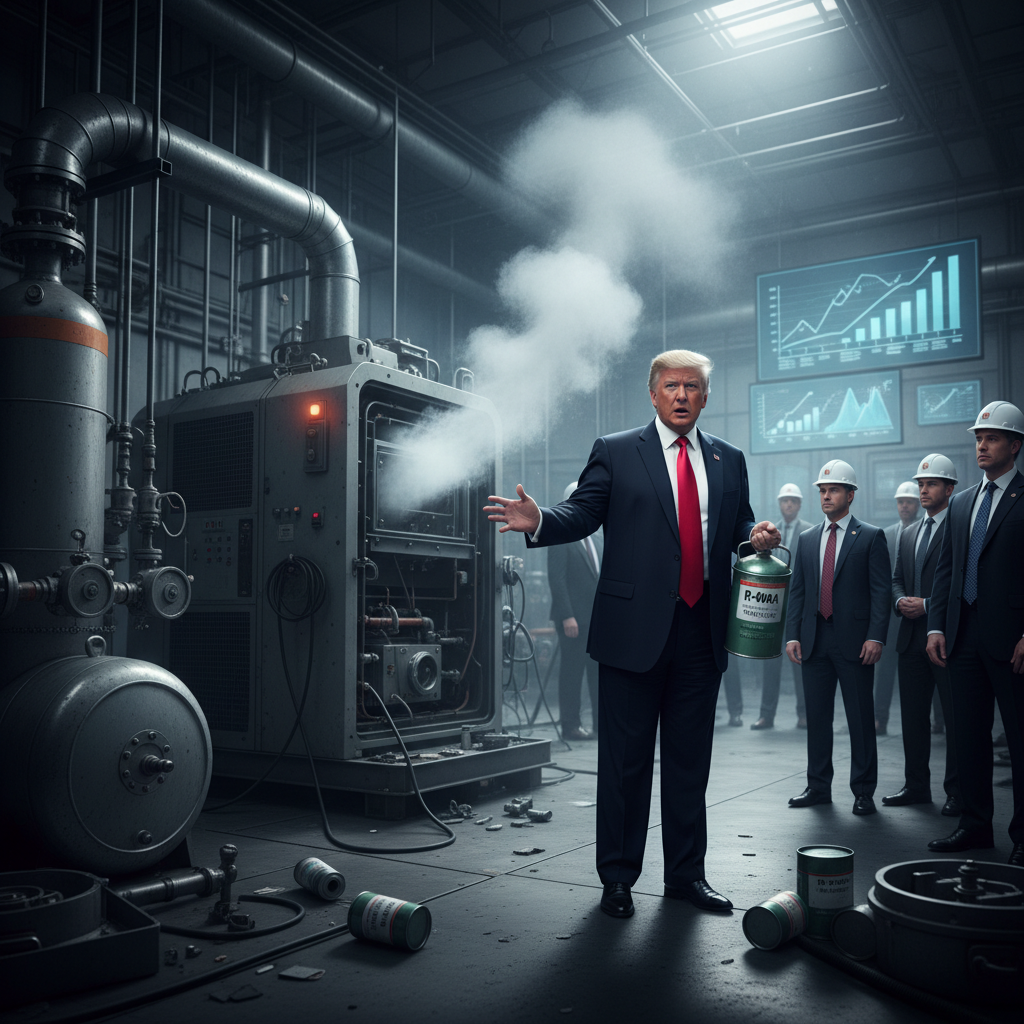
أعلن الرئيس الأمريكي دونالد ترامب مؤخرًا عن تحول كبير في السياسة البيئية، وذلك بتخفيف القيود المفروضة على مجموعة من غازات الاحتباس الحراري القوية المعروفة باسم مركبات الكربون الهيدروفلورية (HFCs). تُستخدم هذه المركبات على نطاق واسع في أنظمة التبريد وتكييف الهواء، ورغم فعاليتها في وظيفتها الأساسية، إلا أنها تساهم بشكل كبير في تغير المناخ، حيث تحبس حرارة في الغلاف الجوي أكثر بآلاف المرات من ثاني أكسيد الكربون على مدى قرن من الزمان. هذا القرار يثير قلقًا واسعًا في الأوساط العلمية والبيئية.
تأتي هذه الخطوة ضمن أجندة إدارة ترامب الأوسع نطاقًا لإلغاء اللوائح البيئية، بعد انسحابها من اتفاقية باريس للمناخ وجهودها لتخفيف معايير الانبعاثات في مختلف القطاعات. يتناقض قرار تخفيف القيود على مركبات الكربون الهيدروفلورية بشكل صارخ مع الجهود الدولية، وأبرزها تعديل كيغالي لبروتوكول مونتريال، وهو معاهدة دولية تهدف إلى التخلص التدريجي من إنتاج واستهلاك هذه المركبات على مستوى العالم. لم تصادق الولايات المتحدة، تحت قيادة ترامب، على هذا التعديل، مما يشير إلى تباعد عن الإجماع العالمي بشأن إدارة هذه المواد المسببة لارتفاع درجة حرارة المناخ.
وقد أعرب دعاة حماية البيئة والعلماء عن مخاوف قوية، مجادلين بأن تخفيف هذه الضوابط يمكن أن يؤدي إلى تفاقم اتجاهات الاحتباس الحراري ويقوض التقدم المحرز في خفض انبعاثات الغازات الدفيئة. في الأصل، تم اعتماد مركبات الكربون الهيدروفلورية كبدائل للمواد المستنفدة للأوزون مثل مركبات الكلوروفلوروكربون (CFCs) ومركبات الهيدروكلوروفلوروكربون (HCFCs)، والتي تم التخلص منها بنجاح بموجب بروتوكول مونتريال الأصلي. ومع ذلك، سرعان ما جعلت إمكاناتها العالية في إحداث الاحتباس الحراري منها تحديًا بيئيًا جديدًا وملحًا يتطلب معالجة فورية.
عادة ما يتركز منطق الإدارة لتخفيف هذه القيود على تقليل الأعباء التنظيمية على الصناعات الأمريكية. ومع ذلك، يشير النقاد إلى أن مثل هذه السياسات قد تضع المصنعين الأمريكيين في وضع غير مؤاتٍ على المدى الطويل، حيث تستمر الدول الأخرى والاقتصادات الكبرى في الانتقال نحو بدائل وتقنيات أكثر صداقة للمناخ. قد يؤدي هذا إلى سوق عالمي مجزأ حيث قد تواجه الشركات الأمريكية صعوبة في المنافسة مع المنتجات التي تلتزم بمعايير بيئية دولية أكثر صرامة، مما يؤثر على قدرتها التنافسية.
إن الآثار طويلة المدى لهذا القرار كبيرة، وقد تؤثر ليس فقط على البيئة ولكن أيضًا على مسار الابتكار التكنولوجي في مجالات التبريد وتكييف الهواء. فبينما يواجه العالم ارتفاع درجات الحرارة والحاجة الملحة للحلول المستدامة، يمثل الموقف الأمريكي بشأن مركبات الكربون الهيدروفلورية نقطة خلاف كبيرة، ويسلط الضوء على الجدل المستمر بين التحرير الاقتصادي وحماية البيئة على نطاق عالمي، مما يستدعي نقاشًا معمقًا حول الأولويات المستقبلية.