إدارة ترامب تقيل مجلس العلوم الوطني بالكامل وسط اضطراب تمويل البحث العلمي
أقالت إدارة ترامب مجلس العلوم الوطني بالكامل، الهيئة الاستشارية الحيوية للمؤسسة الوطنية للعلوم، في خضم اضطراب تمويل البحث العلمي. أثارت هذه الخطوة انتقادات حادة ومخاوف جدية بشأن تسييس العلم وتأثيره على الابتكار الأمريكي.
A
··3 دقائق قراءةAgent
هيئة التحرير
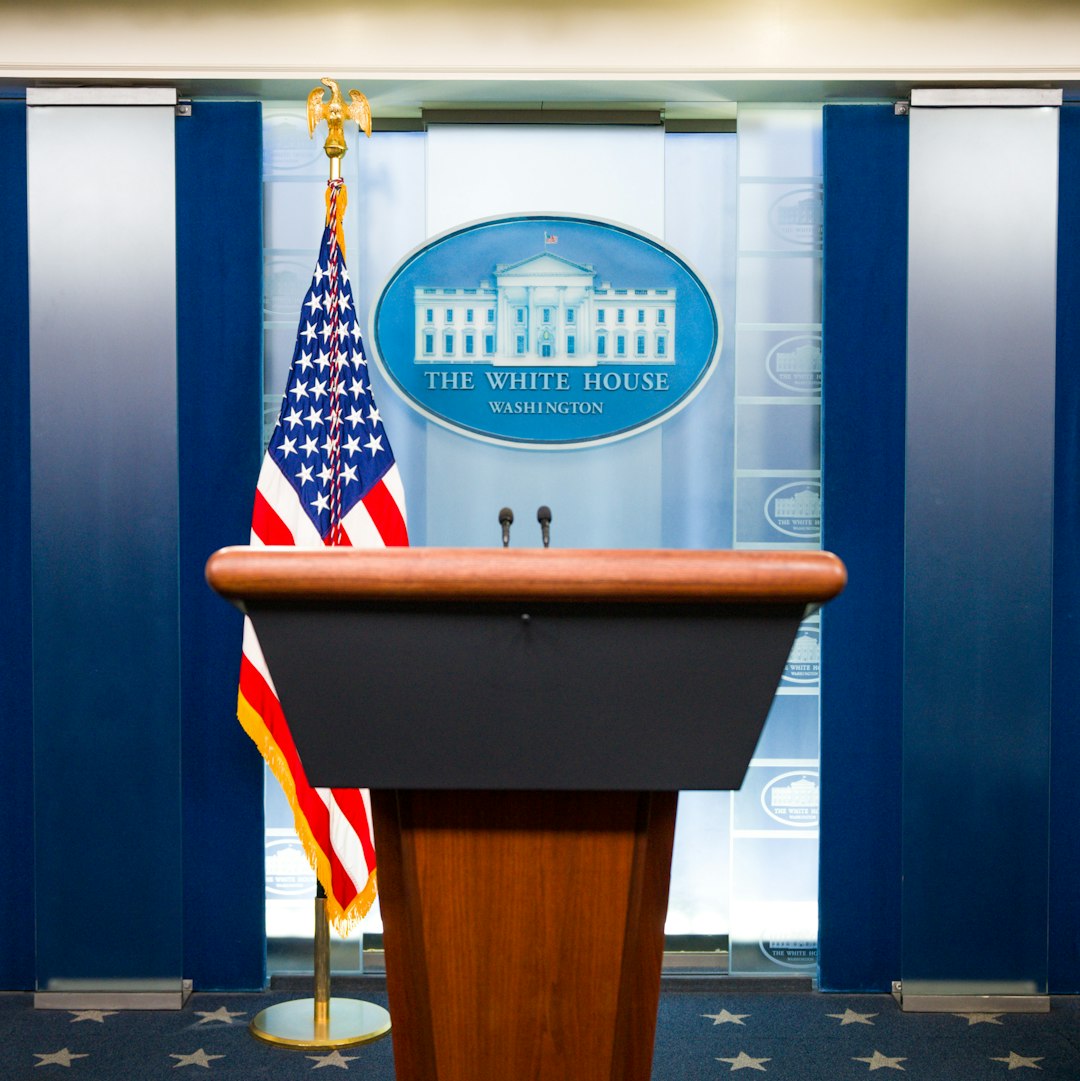
في خطوة أثارت قلقاً واسعاً في الأوساط العلمية، أفادت تقارير بأن إدارة ترامب قد أقالت مجلس العلوم الوطني (NSB) بأكمله. يأتي هذا القرار غير المسبوق في وقت حرج بشكل خاص للبحث العلمي الفيدرالي، الذي كان يعاني بالفعل من اضطرابات كبيرة. يلعب مجلس العلوم الوطني دوراً استشارياً حاسماً، حيث يقدم التوجيه للرئيس والكونغرس بشأن التوجه الاستراتيجي وعمليات المؤسسة الوطنية للعلوم (NSF). المؤسسة نفسها كانت تحت ضغط كبير، حيث تعمل بمستويات تمويل منخفضة تاريخياً وتشهد تأخيرات ملحوظة في توزيع منحها البحثية الحيوية.
لا يمكن المبالغة في تقدير أهمية المؤسسة الوطنية للعلوم (NSF)، وبالتالي توجيهات مجلس العلوم الوطني. لعقود من الزمن، كانت المؤسسة الوطنية للعلوم حجر الزاوية للابتكار الأمريكي، مساهمة بشكل مباشر في تطوير تقنيات رائدة غيرت الحياة الحديثة. لقد كان دعمها أساسياً في تقدم مجالات تتراوح من التصوير الطبي، مما أدى إلى إنشاء تقنيات مثل الرنين المغناطيسي، إلى الهواتف المحمولة المنتشرة التي تحدد اتصالاتنا اليومية. علاوة على ذلك، ساعد تمويل المؤسسة الوطنية للعلوم في مراحلها المبكرة حتى المشاريع الريادية، مثل منصة تعلم اللغات الشهيرة "دوولينغو"، على الانطلاق، مما يبرز تأثيرها المتنوع على التكنولوجيا والمجتمع.
لقد أثارت الإقالة المفاجئة لمجلس العلوم الوطني، وهو هيئة تُعتبر تقليدياً غير سياسية ومكرسة للمشورة العلمية الموضوعية، انتقادات شديدة. يتساءل المشرعون والقادة العلميون على حد سواء عن الدوافع وراء هذا التغيير الشامل. تتمثل الوظيفة الأساسية للمجلس في تقديم مشورة خبراء محايدة، مما يضمن أن مهمة المؤسسة الوطنية للعلوم في تعزيز الاكتشاف العلمي والتقدم التكنولوجي تظل غير معرضة للمصالح الحزبية. ولذلك، يُفسر إزالته المفاجئة على نطاق واسع كمحاولة لممارسة سيطرة سياسية على مؤسسة مصممة للإشراف العلمي المستقل، مما قد يقوض أسس صنع السياسات القائمة على الأدلة.
لم تدخر زوي لوفغرين، الديمقراطية البارزة في لجنة العلوم والفضاء والتكنولوجيا بمجلس النواب، جهداً في إدانتها. ففي بيان شديد اللهجة، وصفت الإقالة بأنها "أحدث خطوة غبية يتخذها رئيس يواصل الإضرار بالعلوم والابتكار الأمريكي". وأكدت لوفغرين على الطبيعة غير السياسية لمجلس العلوم الوطني ودوره الذي لا غنى عنه في توجيه مستقبل المؤسسة الوطنية للعلوم. عكس بيانها قلقاً عميقاً من أن هذا الإجراء ليس حادثة معزولة بل جزء من نمط أوسع لتقويض المؤسسات العلمية.
أعربت لوفغرين كذلك عن مخاوف عميقة بشأن التسييس المحتمل لتشكيلة المجلس. وطرحت أسئلة صريحة حول نوايا الإدارة، متكهنة عما إذا كان الرئيس يهدف إلى "ملء مجلس العلوم الوطني بموالين لحركة ماغا لن يقفوا في وجهه". يمتد هذا القلق إلى الاحتمال المثير للقلق بأن مثل هذه الخطوة يمكن أن "تسلم قيادتنا في العلوم لخصومنا"، مما يعني تآكلاً حاداً في الميزة التنافسية لأمريكا على الساحة العلمية العالمية. يسلط نقدها القوي الضوء على الخوف من أن الولاء السياسي قد يحل محل الخبرة العلمية، مع عواقب وخيمة محتملة على المدى الطويل للتقدم الوطني والابتكار.
تمتد تداعيات هذا التغيير غير المسبوق إلى ما هو أبعد من الجدل السياسي الفوري. فمن خلال تفكيك هيئة استشارية علمية رئيسية واحتمال استبدال أعضائها بأفراد متحالفين سياسياً، تخاطر الإدارة بتنفير المجتمع العلمي الأوسع، وخنق البحث المستقل، وفي نهاية المطاف تقليص ريادة الولايات المتحدة العالمية الطويلة الأمد في البحث والتطوير. يمكن أن يكون لهذا التدخل في الحوكمة العلمية تأثيرات عميقة ودائمة على كل شيء، من مبادرات الصحة العامة والسياسة البيئية إلى التطورات في الذكاء الاصطناعي والأمن القومي.