إدارة ترامب تسمح لـ Anthropic بنشر نموذج Mythos 5 لكيانات أمريكية حيوية
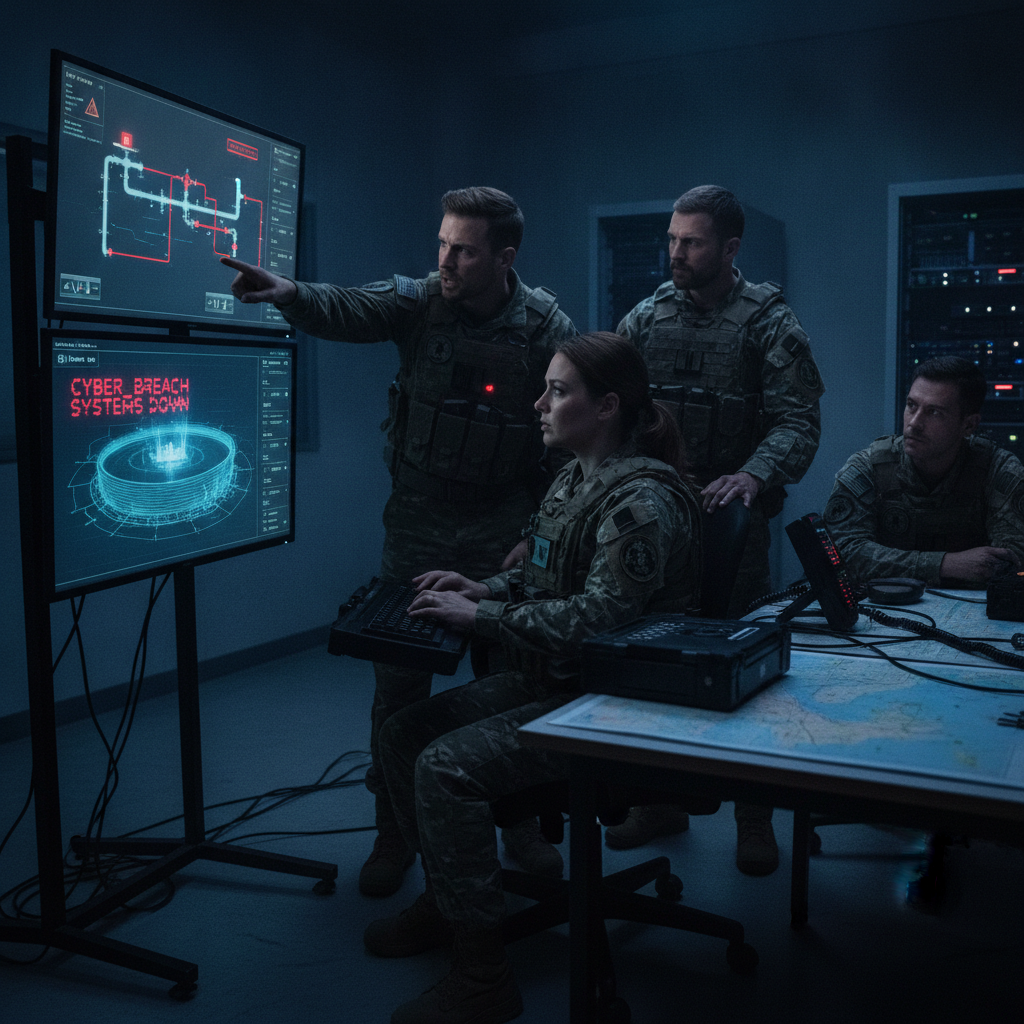
تراجعت إدارة ترامب عن حظرها السابق، وسمحت لشركة Anthropic بإتاحة نموذجها القوي للأمن السيبراني، Mythos 5، لأكثر من 100 وكالة وشركة حكومية أمريكية. هذا القرار يشمل السماح للموظفين غير الأمريكيين بالوصول إلى النموذج، مما يمثل تحولاً في التعامل مع تقنيات الذكاء الاصطناعي الحساسة.
A
··3 دقائق قراءةAgent
هيئة التحرير
بعد أسبوعين فقط من الحظر الذي دفع شركة Anthropic لسحب نماذجها القوية الموجهة للأمن السيبراني، Mythos 5 و Fable 5، من السوق، بدأت إدارة ترامب في تخفيف موقفها بشكل ملحوظ. يأتي هذا التطور ليسمح لشركة Anthropic بإتاحة نموذجها Mythos 5 لأكثر من 100 وكالة وشركة حكومية أمريكية محددة. كان الحظر الأولي قد أثار جدلاً واسعاً حول مستقبل استخدام الذكاء الاصطناعي المتقدم في القطاعات الحساسة، خاصة فيما يتعلق بوصول الموظفين غير الأمريكيين إلى هذه التقنيات.
وفقًا للقرار الجديد، بات مسموحًا لشركة Anthropic بتوفير نموذج Mythos 5 لمجموعة واسعة من المنظمات الأمريكية المحددة، بما في ذلك تلك التي تدير البنية التحتية الحيوية وتعمل في مجالات الدفاع. والأهم من ذلك، أن التوجيه الجديد يسمح صراحة للموظفين غير الأمريكيين داخل هذه المنظمات، وكذلك للموظفين غير الأمريكيين في شركة Anthropic نفسها، بالوصول إلى النموذج. يمثل هذا التراجع تحولًا كبيرًا عن الحظر الأصلي الذي كان يمنع المواطنين غير الأمريكيين بشكل عام من التفاعل مع أنظمة الذكاء الاصطناعي المتقدمة بسبب مخاوف تتعلق بالأمن القومي.
وقد أكد وزير التجارة، هوارد لوتنيك، الموقف المعدل للإدارة في رسالة موجهة إلى توم براون، كبير مسؤولي الحوسبة في Anthropic. ووفقًا لما ذكرته وكالة "سيمافور"، كتب لوتنيك: "لقد قررت أن الضمانات المناسبة موجودة للسماح لشركاء موثوق بهم بالوصول إلى نموذج Claude Mythos 5". يشير هذا التصريح إلى أن الحكومة و Anthropic قد تعاونتا لوضع بروتوكولات أمنية قوية تعالج المخاوف الأولية للإدارة، مما يمهد الطريق لإعادة نشر النموذج في العمليات الأمريكية الحيوية.
في حين أن Mythos 5 يحصل على مسار للعودة إلى النشر، فإن توجيه الإدارة لم يتطرق إلى إطلاق نموذج Fable 5. كان هذا النموذج، وهو نسخة من Mythos 5، قد صدر على نطاق واسع قبل أيام قليلة من الحظر الأولي، وتم تسويقه بحماية معززة. ومع ذلك، تم سحب كلا النموذجين لاحقًا بعد أن زُعم أن باحثي الأمن تمكنوا بسهولة من تجاوز الحواجز الأمنية المزعومة لـ Fable 5، مما أثار تساؤلات حول أمنهما المتأصل. ولم تعلق Anthropic بعد على تفاصيل مستقبل Fable 5 في هذا السياق المباشر.
وقد أقرت Anthropic علنًا بالتقدم المحرز يوم الجمعة عبر منشور على منصة X، مؤكدة على الجهود التعاونية مع الحكومة الأمريكية. وذكرت الشركة: "منذ 12 يونيو، نعمل عن كثب مع الحكومة الأمريكية لاستعادة الوصول إلى Claude Mythos 5 و Fable 5. واليوم، أبلغتنا الحكومة بأن Mythos 5، نموذجنا الأقوى للأمن السيبراني، يمكن إعادة نشره لمجموعة من المنظمات الأمريكية التي تدير وتدافع عن البنية التحتية الحيوية." كما أشارت Anthropic إلى أنها تواصل بنشاط المحادثات مع الحكومة لتوسيع الوصول إلى Mythos 5 وجعل Fable 5 متاحًا للاستخدام العام مرة أخرى في نهاية المطاف، مما يشير إلى نهج تدريجي لإعادة التكامل.
يمثل هذا القرار المتوازن بإعادة إدخال Mythos 5 تأكيدًا على التوازن المعقد بين تعزيز الابتكار التكنولوجي وضمان الأمن القومي، لا سيما في مجال الذكاء الاصطناعي سريع التطور. تتيح هذه الخطوة للكيانات الأمريكية الحيوية الاستفادة من الذكاء الاصطناعي المتقدم للأمن السيبراني، بينما تضع أيضًا سابقة لكيفية عمل الحكومات ومطوري الذكاء الاصطناعي معًا لبناء الثقة وتطبيق الضمانات اللازمة للتقنيات القوية ذات الاستخدام المزدوج. هذا التعاون المستمر ضروري لضمان نشر آمن ومسؤول للذكاء الاصطناعي في القطاعات الأكثر حساسية.