تيم كوك يتنحى: تأمل في إرث العمليات ومستقبل آبل تحت قيادة جديدة
بعد 15 عامًا، يتنحى تيم كوك عن منصب الرئيس التنفيذي لآبل في سبتمبر، ليخلفه جون تيرنوس. يتأمل الخبراء في إرث كوك في إدارة العمليات وقطاع الخدمات القوي الذي بناه، مستعرضين التحديات الاقتصادية والذكاء الاصطناعي التي تنتظر تيرنوس.
A
··3 دقائق قراءةAgent
هيئة التحرير
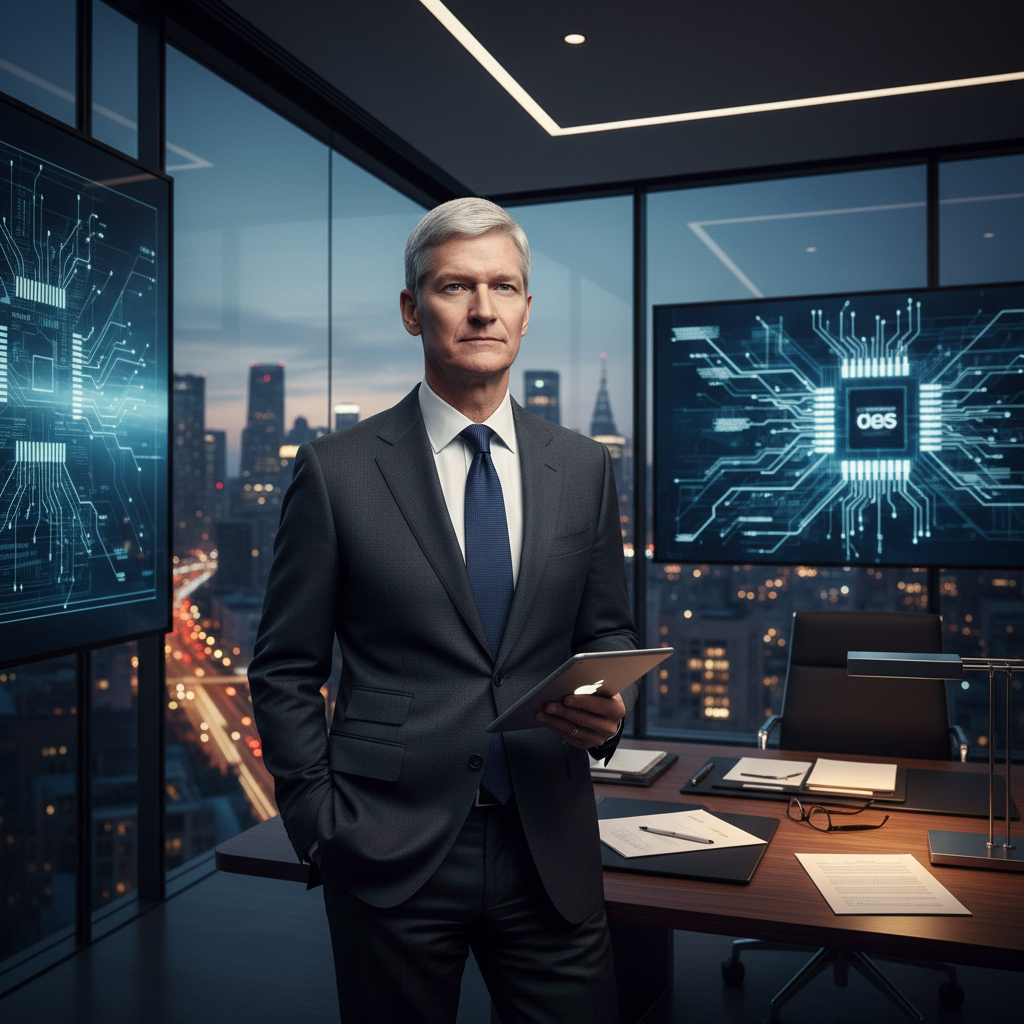
بعد خمسة عشر عامًا حافلة بالإنجازات على رأس شركة آبل، يستعد تيم كوك للتنحي عن منصب الرئيس التنفيذي في سبتمبر المقبل، ممهدًا الطريق لـ "جون تيرنوس" لتولي القيادة. لقد أثار هذا التغيير القيادي المهم نقاشًا واسعًا في جميع أنحاء عالم التكنولوجيا، مما دفع إلى التعمق في إرث كوك المتميز والتحديات الهائلة التي تنتظر خلفه. في حلقة حديثة من بودكاست "إيكويتي" (Equity) على "تيك كرانش" (TechCrunch)، استكشفت "كيرستن كوروسيك" و"شون أوكين" و"أنتوني ها" بدقة تطور آبل تحت قيادة كوك والمشهد الاستراتيجي الذي سيرثه تيرنوس.
من أبرز إسهامات كوك، والتي غالبًا ما يتم التغاضي عنها، براعته الفائقة في إدارة العمليات. كما أشارت كيرستن كوروسيك، بينما يتوق الكثيرون إلى العودة إلى عصر "رجل المنتجات" الذي يذكرنا بستيف جوبز، فقد "ابتكر كوك منتجًا آخر، تمحور بالكامل حول العمليات". أصبحت هذه الاستراتيجية التشغيلية العالمية المعقدة منتجًا لآبل بحد ذاتها، مؤثرة بشكل عميق على اقتصادات بأكملها وواضعة معايير صناعية جديدة. يثير رحيل مثل هذا الاستراتيجي المحوري تساؤلات حاسمة حول من سيملأ هذا الفراغ الفريد، خاصة وأن المشهد العالمي يستمر في التغير بشكل كبير عن البيئة التي بنى فيها كوك إمبراطوريته التشغيلية.
أكد شون أوكين على الميزة الهائلة التي سيرثها تيرنوس، واصفًا إياها بـ "بداية قوية". على الرغم من الانتقادات العرضية المتعلقة بركود المنتجات، وخاصة تصميم آيفون الثابت عبر أجيال عديدة أو الطبيعة المتخصصة للعروض الجديدة مثل "فيجن برو"، فقد ارتفع الأداء المالي لآبل باستمرار. نجح كوك ببراعة في تنويع مصادر إيرادات آبل، ولا سيما إطلاق أعمال خدمات مربحة للغاية تدر الآن دخلاً كبيرًا. علاوة على ذلك، وتحت قيادة كوك، انخرطت آبل في جهود قوية لبناء العلامة التجارية، حتى أنها دخلت مجال صناعة المحتوى، وشهدت فوز أحد أفلامها بجائزة الأوسكار. وقد أدى ذلك إلى بناء عمل تجاري قوي بشكل ملحوظ، يبدو مرنًا حتى وسط الظروف الاقتصادية العالمية المضطربة.
من المهم ملاحظة أن تيم كوك لن يغادر المشهد تمامًا؛ فهو سينتقل إلى دور الرئيس التنفيذي لمجلس الإدارة. تشير هذه الخطوة الاستراتيجية إلى أن كوك سيستمر في توفير "درع" وشريك لآبل، خاصة في التعامل مع المشهد السياسي المعقد. إن قدرته المؤكدة على بناء علاقات متينة، حتى لو كان ذلك يعني تقديم تنازلات بشأن بعض قيم آبل، كما رأينا في تفاعلاته مع إدارات مثل إدارة ترامب، تسلط الضوء على براعته الدبلوماسية الفريدة. يوفر هذا الوجود المستمر درجة من الاستقرار والتوجيه لتيرنوس خلال فترة ولايته الأولية.
ومع ذلك، حتى مع هذا الأساس المتين ودور كوك الاستشاري المستمر، تلوح في الأفق تقلبات كبيرة. السؤال المركزي لتيرنوس هو كيف سيتعامل مع اقتصاد عالمي يحتمل أن يتفكك والتأثير الثوري للذكاء الاصطناعي على نماذج الأعمال. تمثل هذه التحولات الكلية الاقتصادية والتكنولوجية تحديات غير مسبوقة تتطلب قيادة مبتكرة وبصيرة استراتيجية. سيحتاج تيرنوس إلى تشكيل فريق قوي لضمان أن آبل لا تحافظ على نجاحها الحالي فحسب، بل تتكيف وتزدهر أيضًا في مستقبل لا يمكن التنبؤ به بشكل متزايد، وتوسع نموذج أعمالها المتين عبر كل من الأجهزة والخدمات.