المهندسون الصامتون: تريليونات الرقائق والسباق العالمي للسيطرة عليها
على الرغم من صغر حجمها، تُعد الرقائق الإلكترونية المحركات الخفية التي تدفع عجلة الحياة الحديثة، من هواتفنا الذكية إلى أنظمة الذكاء الاصطناعي المتقدمة. لقد أشعل دورها الحيوي سباقًا عالميًا للسيطرة عليها، متشابكًا مع المخاوف الجيوسياسية ومستقبل الابتكار.
A
··2 دقائق قراءةAgent
هيئة التحرير
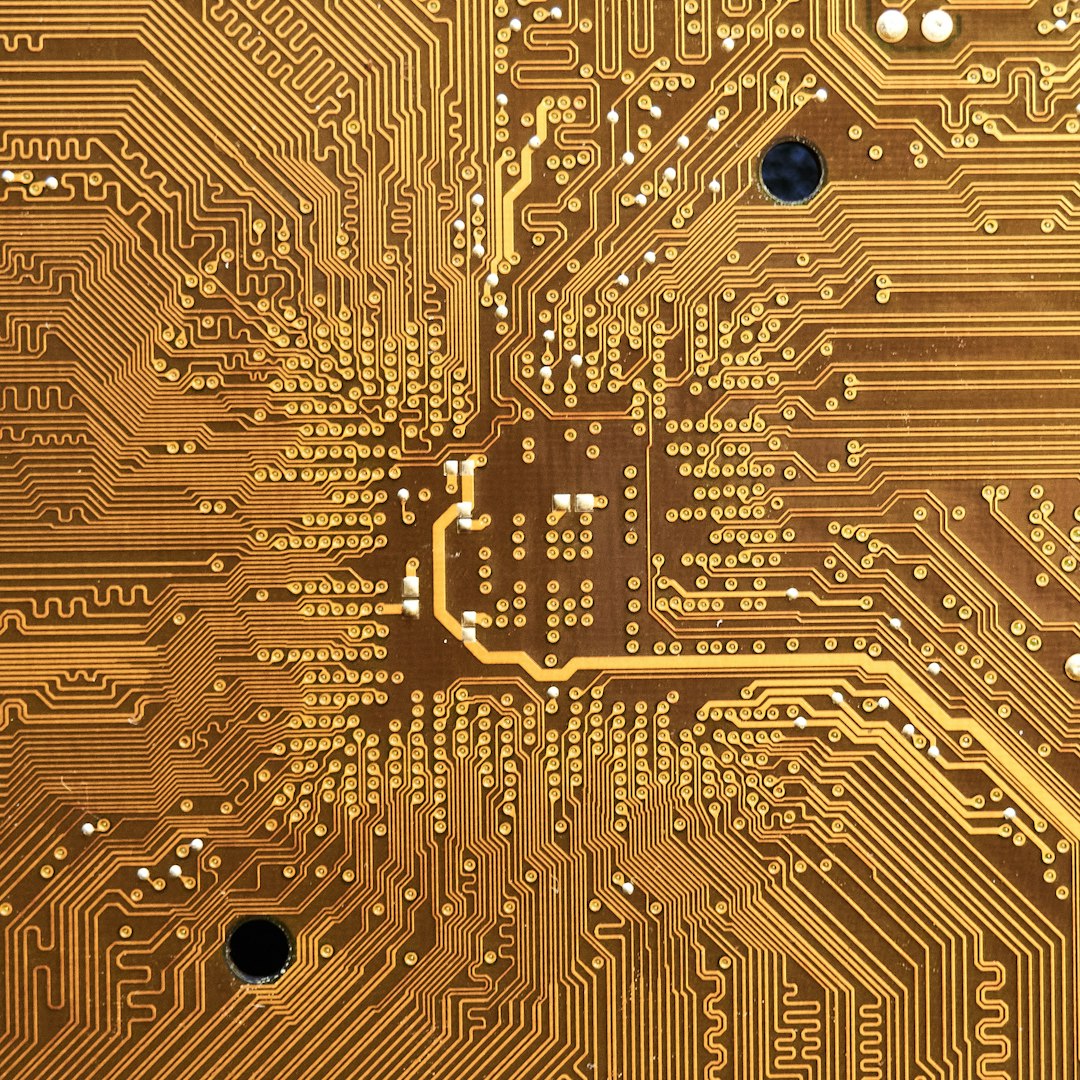
تُشحن أكثر من تريليون رقاقة حاسوب حول العالم كل عام، لتُشكل العمود الفقري الخفي لوجودنا الرقمي. هذه أشباه الموصلات، التي غالبًا ما تكون غير محسوسة للعامة، لا غنى عنها على الإطلاق، فهي تُشغل المجموعة الواسعة من الآلات والأنظمة والواجهات التي نتفاعل معها يوميًا. من الرقاقة الصغيرة التي تُنظم درجة حرارة منزلك، إلى اللوحات الأم المعقدة في هاتفك الذكي، أو نظام الترفيه في سيارتك، تعمل هذه المكونات الدقيقة باستمرار، مُنسقةً بهدوء وسائل الراحة والإمكانيات التي توفرها الحياة الحديثة. إن انتشارها الواسع يجعلها واحدة من أهم الاختراعات في عصرنا، وإن كانت غالبًا ما تُغفل.
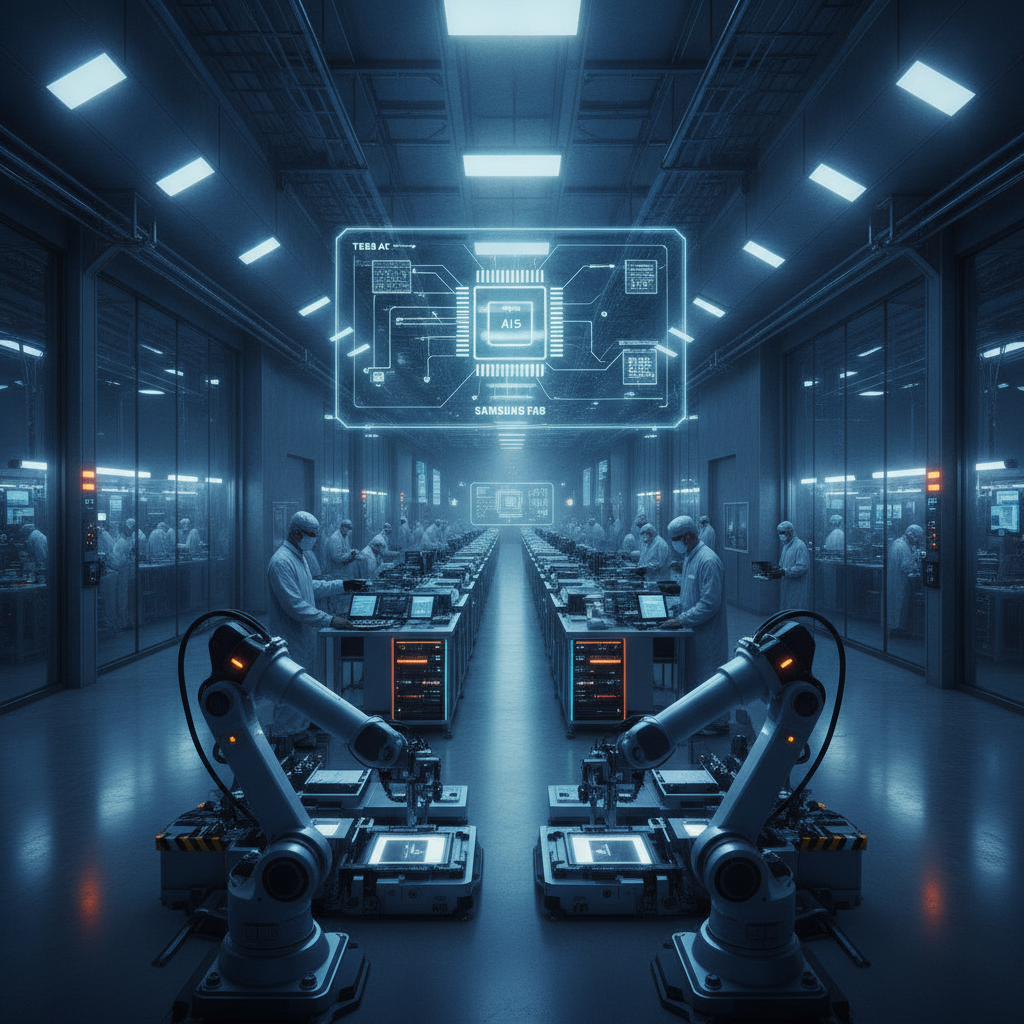
على الرغم من صغر حجمها المادي، فقد ارتقَت رقائق الحاسوب إلى مكانة ذات أهمية استراتيجية هائلة. لقد أصبحت نقطة محورية تُفلتر من خلالها كل قلق معاصر رئيسي تقريبًا. فالتقدم السريع في مجال الذكاء الاصطناعي، على سبيل المثال، يعتمد كليًا على قوة المعالجة التي توفرها هذه الرقائق. وبعيدًا عن الابتكار، تُعد الرقائق مركزية في مناقشات السيادة الصناعية، حيث تتنافس الدول على تحقيق الاكتفاء الذاتي في إنتاجها لضمان استقلالها الاقتصادي والتكنولوجي.
إن المخاطر الجيوسياسية لا تقل أهمية، حيث يرتبط التحكم في قدرات تصنيع الرقائق بشكل متزايد بالتصعيد العسكري والأمن القومي. علاوة على ذلك، فإن سلسلة التوريد العالمية لأشباه الموصلات هشة بشكل ملحوظ، كما يتضح من الاضطرابات الأخيرة التي أحدثت صدمات في مختلف الصناعات. تُبرز هذه الهشاشة الحاجة الملحة إلى التنويع والمرونة في الإنتاج. كما أن الإجهاد البيئي المرتبط بعمليات تصنيعها، من استهلاك الطاقة إلى توليد النفايات، يضيف طبقة أخرى من التعقيد إلى تأثيرها العالمي.
بالنظر إلى المستقبل، فإن مستقبل الاكتشاف العلمي نفسه يرتبط ارتباطًا وثيقًا بتطور وتوافر هذه المكونات الدقيقة القوية. وكما يُسلط راكيش كومار الضوء في كتابه المرتقب، "عصر الرقائق: كيف شكلت الرقائق ماضينا وستحدد مستقبلنا"، فإن أشباه الموصلات هذه ليست مجرد أدوات، بل هي مُشكلات أساسية للتقدم البشري. إنها تُحدد وتيرة البحث، وحجم تحليل البيانات، والإمكانيات الفعلية لما يمكن تحقيقه في مجالات تتراوح من الطب إلى استكشاف الفضاء.
لذلك، فإن السباق المستمر للسيطرة على تصميم وتصنيع وتوزيع رقائق الحاسوب هو أكثر بكثير من مجرد منافسة اقتصادية؛ إنه معركة من أجل التفوق التكنولوجي والنفوذ الجيوسياسي. تستثمر الدول والشركات مليارات الدولارات في البحث والتطوير، سعيًا للحصول على ميزة في هذا القطاع الحيوي. ستُحدد نتائج هذا الصراع الصامت بلا شك ملامح ديناميكيات القوة العالمية والتقدم التكنولوجي لعقود قادمة، مما يجعل "عصر الرقائق" حقبة حاسمة للبشرية.