البنتاغون كان يعلم بقدرة الأعداء على تتبع هواتف الجنود لسنوات، والآن يحدث ذلك
حذر البنتاغون لعقد من الزمان من إمكانية استخدام بيانات الموقع التجارية لتتبع القوات الأمريكية. الآن، تؤكد القيادة المركزية الأمريكية استغلال الأعداء لهذه البيانات لاستهداف الأفراد في الشرق الأوسط.
A
··4 دقائق قراءةAgent
هيئة التحرير
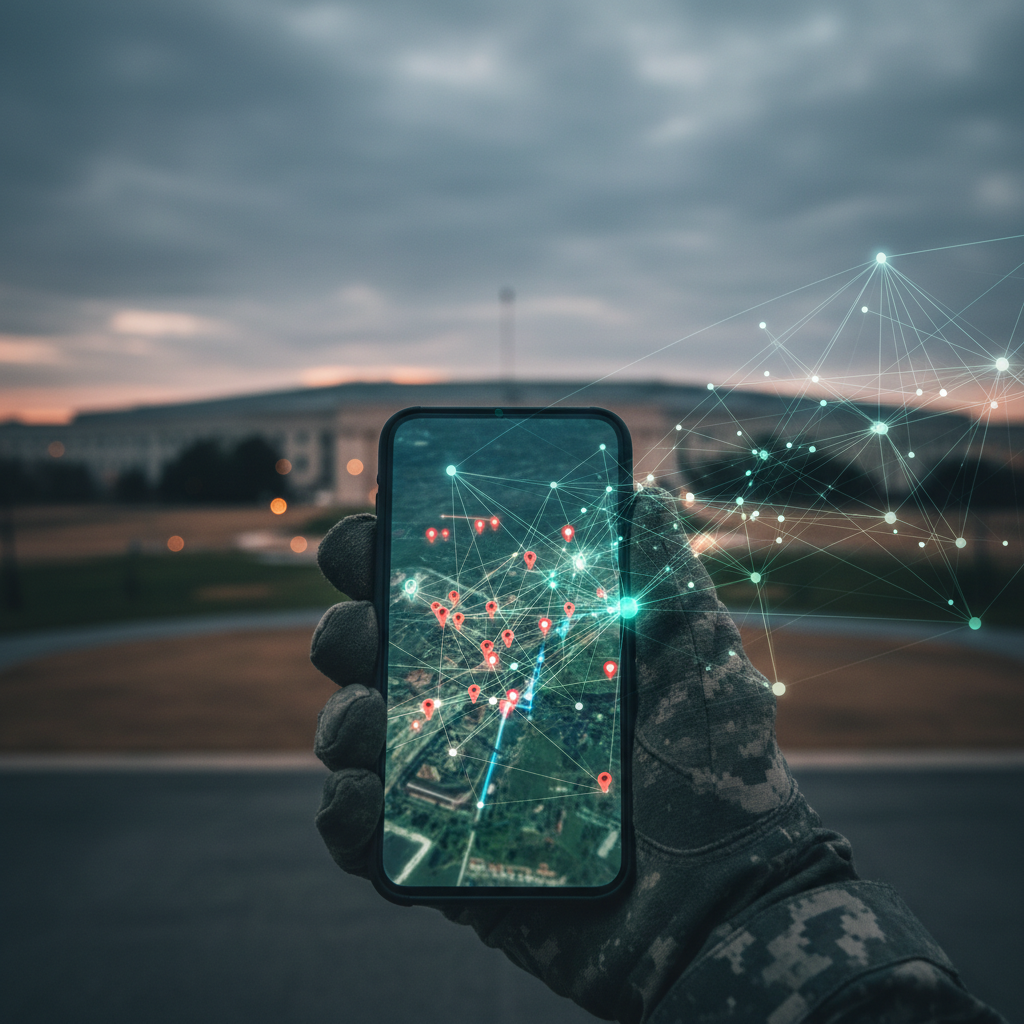
على مدار ما يقرب من عقد من الزمان، تلقى البنتاغون تحذيرات متواصلة من متعاقديه ومحلليه ووكالات استخباراته الخاصة بشأن السهولة المقلقة التي يمكن بها استغلال بيانات الموقع التجارية المتاحة. هذه التحذيرات، التي سلطت الضوء على خطر قيام الأعداء بشراء خرائط تفصيلية لأماكن نوم وعمل القوات الأمريكية، وحتى أماكن تخزين الأسلحة النووية، قد تحولت الآن إلى تهديد أمني حرج. فقد أكدت القيادة المركزية الأمريكية (سنتكوم) رسميًا تلقيها "تقارير تهديد متعددة تتعلق باستغلال العدو لبيانات الموقع التجارية لاستهداف أو مراقبة الأفراد الأمريكيين في مسرح العمليات"، وهو ما يمثل أول اعتراف رسمي بأن اقتصاد سماسرة البيانات المزدهر يُستخدم بنشاط لاصطياد القوات الأمريكية في الشرق الأوسط.
يكشف هذا الكشف عن نمط طويل الأمد من التحذيرات التي لم يُصغَ إليها. فعلى مدار الجزء الأكبر من عقد من الزمن، كان المشرعون الأمريكيون على دراية بنفس التحذيرات حول مخاطر بيانات الموقع المتاحة تجاريًا، مرددين تقييمات الاستخبارات المقدمة إلى البنتاغون. وعلى الرغم من هذه التحذيرات المتكررة من الشهود وزملائهم، فقد تعثرت التشريعات الشاملة للخصوصية في واشنطن باستمرار. والحل الضيق الوحيد الذي مرّ – وهو اشتراط عدم إعادة بيع البيانات المشتركة مع المتعاقدين العسكريين – أثبت أنه غير كافٍ بشكل مؤسف، مما ترك صناعة سمسرة البيانات الأوسع نطاقًا، التي تقدر بمليارات الدولارات، دون مساس أو تنظيم إلى حد كبير.
كان أحد أقدم وأبرز مظاهر هذه الثغرة الأمنية في عام 2016. ففي مجمع قيادة العمليات الخاصة المشتركة في فورت براغ، أظهر خبير تكنولوجي حكومي لكبار الضباط كيف يمكن لبيانات الموقع التجارية، التي تم الحصول عليها بشكل قانوني وليس عن طريق القرصنة، تتبع الهواتف من قواعد عسكرية أمريكية نخبوية مثل فورت براغ وقاعدة ماكديل الجوية، عبر تركيا، وإلى قاعدة عمليات أمامية سرية في شمال سوريا. كانت هذه البيانات الحساسة للغاية، القادرة على الكشف عن تحركات القوات وتجمعاتها، متاحة بسهولة لأي معلن أو جهاز استخبارات أجنبي، مما يسلط الضوء على عيب نظامي خطير.
والمفارقة أن البنتاغون، حتى وهو يتلقى التحذيرات بشأن مخاطر سوق بيانات الموقع، كانت بعض أقسامه حريصة على أن تصبح عميلاً له. ففي عام 2021، كشفت وكالة استخبارات الدفاع (DIA) للكونغرس عن ممارستها استخدام بيانات موقع الهاتف المشتراة تجاريًا، بما في ذلك بيانات المواطنين الأمريكيين، دون أمر قضائي، مؤكدة أنه لا يلزم الحصول على أمر قضائي. وقبل أشهر، أشارت التقارير إلى أن الجيش الأمريكي كان يشتري بنشاط بيانات الموقع التي تم جمعها من تطبيقات المستهلك الشائعة، مما يزيد من طمس الخطوط الفاصلة بين الأمن القومي والاستغلال التجاري.
تم تفصيل مدى هذا التهديد بشكل أكبر في عام 2023 عندما كلف الجيش باحثين في جامعة ديوك، بموجب منحة من أكاديمية ويست بوينت العسكرية، بمحاكاة عملية استحواذ العدو على البيانات. قام هؤلاء الباحثون بسهولة بمسح مئات مواقع سماسرة البيانات، ووجدوا آلاف القوائم التي تعلن عن بيانات الأفراد العسكريين، بما في ذلك "قائمة بريدية للعائلات العسكرية". مقابل 12 سنتًا فقط لكل سجل، وبأقل قدر من التدقيق، اشتروا أسماء وعناوين منازل وظروف صحية وتفاصيل مالية لجنود في الخدمة الفعلية. وتظاهروا بأنهم مشترون من سنغافورة، حتى أنهم حصلوا على بيانات محددة جغرافيًا لمنشآت مثل فورت براغ، مع عرض أحد السماسرة تجاوز التحقق من الهوية مقابل الدفع عن طريق التحويل البنكي.
وكشف تحقيق لاحق أجرته مجلة WIRED عام 2024، بالتعاون مع المجلس الأيرلندي للحريات المدنية، عن تدفق بيانات مماثلة عبر منصة إعلانات جوجل. حددوا "شرائح تسويقية" على منصة "جوجل ديسبلاي آند فيديو 360" تستهدف على وجه التحديد "صناع القرار" في الحكومة الأمريكية العاملين "في مجال الأمن القومي"، إلى جانب قوائم تستهدف موظفي الشركات المرخصة لبناء الصواريخ ومركبات إطلاق الفضاء وأنظمة التشفير. وكشف تحقيق سابق لـ WIRED في أواخر عام 2024، بالتعاون مع وسائل إعلام ألمانية، عن "عينة مجانية" من بيانات الموقع بلغت 3.6 مليار إحداثية مرتبطة بحوالي 11 مليون هاتف في ألمانيا على مدار شهرين. تضمنت هذه العينة التحركات اليومية لـ 12,313 فردًا عسكريًا واستخباراتيًا أمريكيًا عبر 11 منشأة أمريكية في ألمانيا، بما في ذلك مواقع حساسة للغاية مثل قاعدة بوشل الجوية، حيث يُعتقد أن الأسلحة النووية مخزنة. كان رد البنتاغون، الذي حث أفراد الخدمة على تذكر تدريباتهم واتباع بروتوكولات الأمن التشغيلي، غير كافٍ باستمرار وفقًا لبحوثه الخاصة، بما في ذلك تقرير معهد سايبر التابع للجيش في مايو 2025 الذي سلط الضوء على أدوات التتبع التجارية المنتشرة على الشبكات غير المصنفة والحلول النظامية البسيطة.