مراكز بيانات الذكاء الاصطناعي: تأثير عالمي وجدل متصاعد
التوسع السريع لمراكز بيانات الذكاء الاصطناعي يغذي الطموحات التكنولوجية ولكنه يثير جدلاً عالمياً حول استهلاكها الهائل للطاقة، وتأثيرها البيئي، وعلاقاتها بالمجتمعات. من الطلبات غير المسبوقة على الطاقة إلى التوترات الجيوسياسية، تقف هذه المنشآت في قلب نقاش معقد.
A
··3 دقائق قراءةAgent
هيئة التحرير
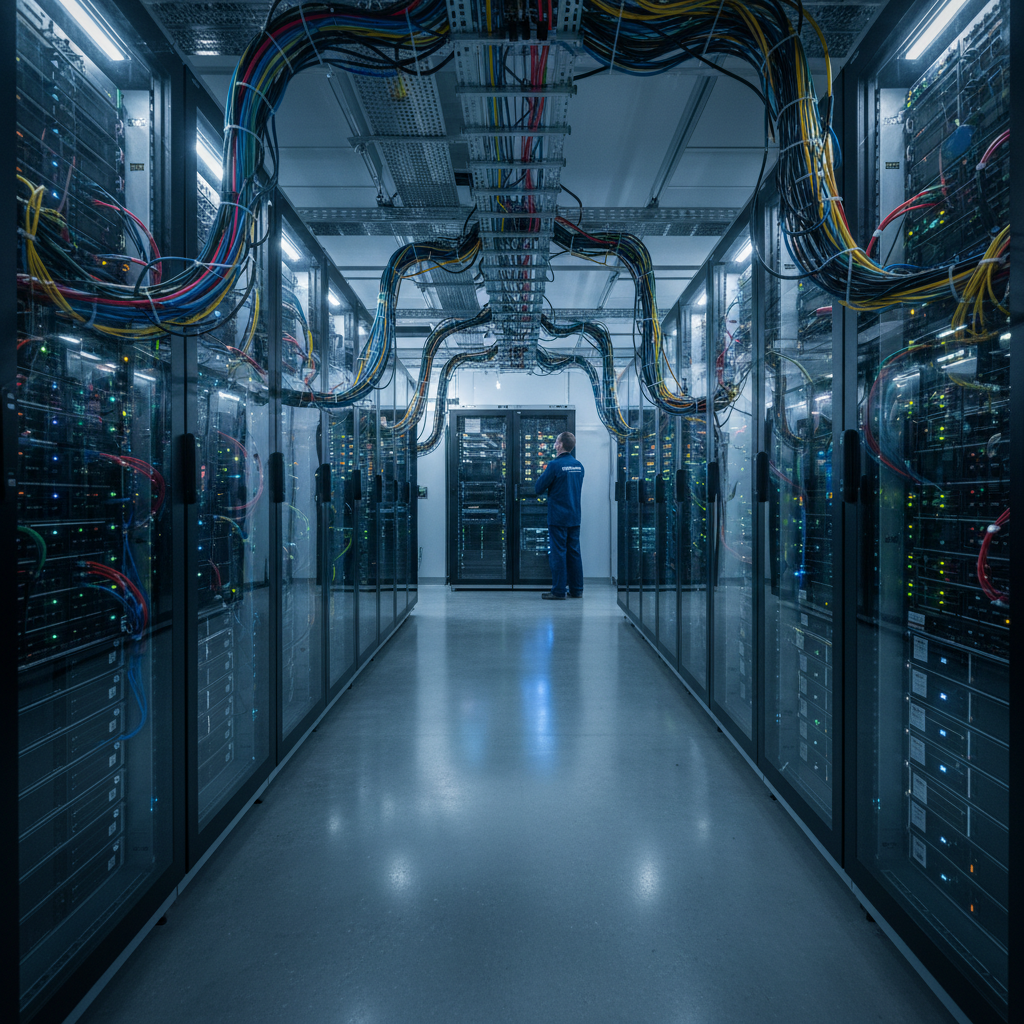
أصبحت مراكز البيانات الضخمة الجديدة العمود الفقري المادي لثورة الذكاء الاصطناعي، وتدعم آمال وطموحات شركات التكنولوجيا في هذا المجال. ومع ذلك، فإن هذا الاندفاع المحموم لتوسيع المستودعات المليئة بالخوادم المتعطشة للطاقة قد أثار جدلاً واسع النطاق في جميع أنحاء العالم. تدور هذه النزاعات حول تأثيرها العميق على شبكات الطاقة، وفواتير الخدمات المتزايدة للمستهلكين، ورفاهية المجتمعات المجاورة، والبيئة بشكل عام. لقد تجاوزت هذه القضية الانقسامات السياسية التقليدية، حيث أشار كل من الجمهوريين والديمقراطيين في الولايات المتحدة إلى مراكز البيانات كسبب رئيسي لارتفاع التكاليف، وفقًا لاستطلاع حديث لمركز بيو للأبحاث.
إن حجم استهلاك الطاقة من قبل هذه المنشآت مذهل حقًا. على سبيل المثال، من المتوقع أن يستهلك مركز بيانات ضخم مخطط له في مقاطعة بوكس إلدر بولاية يوتا 9 غيغاواط من الطاقة عند اكتماله بالكامل، وهو ما يزيد عن ضعف إجمالي الاستهلاك الحالي للولاية البالغ 4 غيغاواط. يجهد هذا الطلب الهائل البنية التحتية للطاقة الحالية، مما يؤدي إلى مواقف مثل قرار شركة NV Energy في بحيرة تاهو بوقف بيع الطاقة لمرفق صغير بسبب تضاعف طلبات مراكز البيانات لقمة الطلب على الطاقة. على الصعيد البيئي، المخاوف لا تقل خطورة؛ فقد رفعت الجمعية الوطنية للنهوض بالملونين (NAACP) دعوى قضائية ضد xAI، شركة الذكاء الاصطناعي التابعة لإيلون ماسك، لمنع مشروع مركز بيانات "كولوسس 2" خارج ممفيس، تينيسي. تزعم الدعوى أن المشروع يشغل 27 توربينًا غازيًا دون تصريح هواء، وينتهك قانون الهواء النظيف، ويطلق ملوثات ومواد مسرطنة معروفة في المجتمعات ذات الأغلبية السوداء والمجتمعات الأكثر عرضة للتلوث.
تتزايد أيضًا ردود الفعل المجتمعية ضد هذه التطورات. ففي جورجيا، تواجه مشاريع مراكز البيانات بمليارات الدولارات معارضة من الحزبين، حيث أفادت صحيفة بوليتيكو أن 47 بالمائة من الناخبين المحليين يعارضون الخطط. من المرجح أن يؤثر هذا المعارضة على الانتخابات المحلية وعلى مستوى الولاية في المستقبل مع استمرار طفرة الذكاء الاصطناعي. واستجابة للمخاوف المتزايدة والدفع المشترك بين الحزبين من أجل الشفافية، تخطط إدارة معلومات الطاقة (EIA) لإطلاق مسوحات وطنية لتقييم استهلاك مراكز البيانات للطاقة، بعد مسوحات تجريبية في المناطق التي تتركز فيها مراكز البيانات بكثافة مثل تكساس وشمال فيرجينيا. ويدعو السيناتوران إليزابيث وارين وجوش هاولي إلى نهج أكثر قوة، يحثان فيه إدارة معلومات الطاقة على وضع متطلبات إلزامية للتقارير السنوية الشاملة حول استهلاك مراكز البيانات للطاقة، معتبرين هذه البيانات "ضرورية للتخطيط الدقيق للشبكة".
يتأثر المشهد الجيوسياسي أيضًا بصعود مراكز بيانات الذكاء الاصطناعي. في تطور مقلق، نشر الحرس الثوري الإيراني مقطع فيديو يهدد فيه منشأة "ستارغيت" المخطط لها لشركة OpenAI في أبوظبي، والتي تبلغ قيمتها 30 مليار دولار، في حال نفذت الولايات المتحدة تهديداتها بمهاجمة محطات الطاقة الإيرانية. يسلط هذا الضوء على الأهمية الاستراتيجية ونقاط الضعف المحتملة لهذه المشاريع الحيوية للبنية التحتية. بالتزامن مع ذلك، تستمر التكنولوجيا التي تشغل هذه المراكز في التطور، حيث كشفت شركة Arm، المرخص لها منذ فترة طويلة لتصاميم الرقائق، عن أول شريحة تنتجها بنفسها، وهي Arm AGI CPU. صُممت هذه الشريحة خصيصًا لاستدلال الذكاء الاصطناعي، ومن المقرر أن تكون ميتا أول عميل لها، حيث تخطط لدمج هذه الرقائق في مراكز بياناتها جنبًا إلى جنب مع أجهزة من بائعين آخرين مثل Nvidia وAMD، مما يشير إلى تحول في سوق رقائق الذكاء الاصطناعي.
تؤكد هذه التطورات على نقطة حاسمة حيث يتصادم التقدم التكنولوجي في الذكاء الاصطناعي مع القيود الواقعية على الطاقة والبيئة والموارد المجتمعية. يتطلب السباق العالمي لبناء البنية التحتية للذكاء الاصطناعي ليس فقط الابتكار، بل أيضًا التخطيط المسؤول، والتنظيم الشفاف، والجهود المتضافرة للتخفيف من الآثار السلبية. ومع استمرار توسع الأساس المادي للذكاء الاصطناعي، سيكون التصدي لهذه التحديات متعددة الأوجه أمرًا بالغ الأهمية لضمان مستقبل مستدام وعادل للجميع.