مستقبل الذكاء الاصطناعي المادي: واجهات أكثر ذكاءً لا مجرد روبوتات أذكى
يتجه مستقبل الذكاء الاصطناعي المادي نحو واجهات أكثر ذكاءً تدمج البشر كـ"عقد أساسية" في شبكة الحوسبة، بدلاً من التركيز على الروبوتات المستقلة. تقود Wetour Robotics هذا التحول، مركزة على مشاركة بشرية عالية الدقة ومنخفضة التأخير عبر الإشارات العصبية والروبوتات القابلة للارتداء.
A
··2 دقائق قراءةAgent
هيئة التحرير
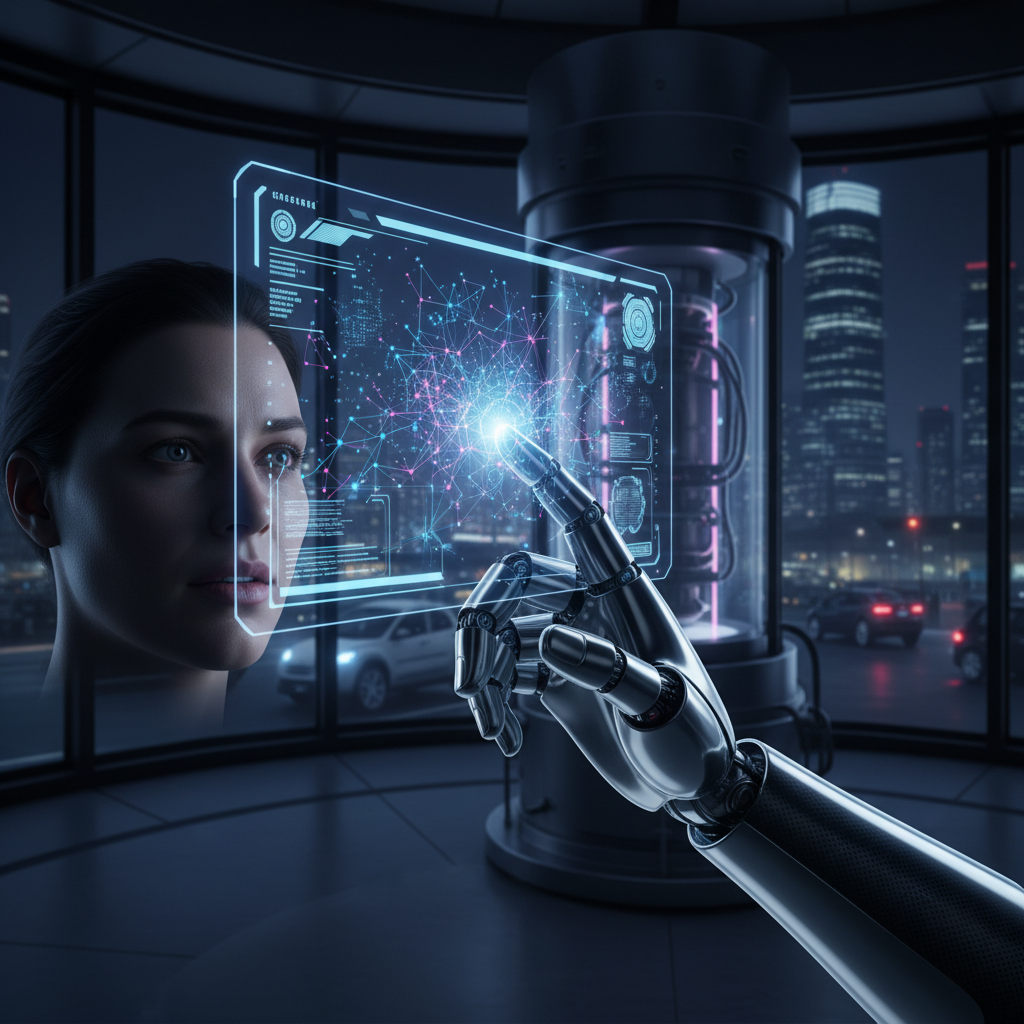
يشهد مجال الذكاء الاصطناعي تطوراً مستمراً، ومع هذا التطور يبرز تحول نموذجي كبير في عالم الذكاء الاصطناعي المادي. لسنوات عديدة، كان التركيز ينصب بشكل أساسي على جعل الروبوتات أكثر استقلالية وقدرة، دافعاً بحدود وظائفها المستقلة. ومع ذلك، تشير رؤية جديدة، تتبناها شركات رائدة مثل Wetour Robotics ومقرها أوستن، تكساس، إلى أن القفزة المعمارية التالية لا تكمن في إنشاء روبوتات أذكى، بل في تطوير واجهات أكثر ذكاءً تدمج البشر بسلاسة في حلقة الحوسبة.
تراهن شركة Wetour Robotics، الرائدة في مجال البنية التحتية للذكاء الاصطناعي المادي والروبوتات القابلة للارتداء، بقوة على هذا النهج الذي يضع الإنسان في المحور. تدور فلسفتها الأساسية حول الارتقاء بالإنسان ليصبح "عقدة أساسية" ضمن شبكة الحوسبة. وهذا يعني تمكين البشر من المشاركة بنفس مستوى التفاعل منخفض التأخير وعالي الدقة الذي تتمتع به الأجهزة المتصلة حالياً، مما يعيد الإنسان فعلياً إلى حلقة الحوسبة، إشارة عصبية تلو الأخرى. يمثل هذا الابتعاد عن تطوير الذكاء الاصطناعي التقليدي خطوة نحو تعزيز القدرات البشرية بدلاً من مجرد الأتمتة.
ينطوي هذا النهج الثوري على تطوير روبوتات قابلة للارتداء متقدمة وواجهات دماغية حاسوبية (BCIs) متطورة يمكنها تفسير ونقل النوايا والإشارات العصبية البشرية بسرعة ودقة غير مسبوقة. تخيل التحكم في أنظمة روبوتية معقدة، أو أطراف صناعية، أو حتى إعدادات صناعية كاملة ليس عبر أذرع التحكم أو لوحات المفاتيح، بل مباشرة من خلال الفكر أو حركات العضلات الدقيقة. يعد هذا المستوى من التكامل بفتح آفاق جديدة من الكفاءات والقدرات، مما يسمح للبشر بالتحكم والتعاون مع الآلات بشكل حدسي وفي الوقت الفعلي.
إن تداعيات هذا التحول عميقة وبعيدة المدى. في مجال الرعاية الصحية، يمكن أن يؤدي إلى تحكم أكثر سهولة وفعالية في الأطراف الصناعية، مما يعزز جودة حياة الأفراد ذوي الإعاقة. وفي قطاعات التصنيع والخدمات اللوجستية، يمكن للمشغلين البشريين توجيه الأذرع الروبوتية بدقة وقابلية تكيف أكبر، مما يعزز الإنتاجية والسلامة. علاوة على ذلك، في الاستكشاف والبيئات الخطرة، يمكن لهذه العلاقة التكافلية أن تسمح للبشر بتوسيع نطاق وصولهم وتأثيرهم دون التعرض الجسدي المباشر، مستفيدين من الأجسام الروبوتية كامتدادات لإرادتهم.
بينما الفوائد المحتملة هائلة، يطرح تطوير مثل هذه الواجهات المتطورة تحديات أيضاً، بما في ذلك ضمان خصوصية البيانات، والاعتبارات الأخلاقية لاستخدام البيانات العصبية، والتعقيدات الهندسية لإنشاء تقنيات قابلة للارتداء مريحة وموثوقة ومتاحة عالمياً. ومع ذلك، تلتزم Wetour Robotics والمبتكرون المماثلون بالتغلب على هذه العقبات، معتقدين أن مستقبل الذكاء الاصطناعي المادي لا يكمن في استبدال الذكاء البشري بل في تعزيزه بشكل عميق.
في نهاية المطاف، تبشر هذه الرؤية بمستقبل تتلاشى فيه الحدود بين الإنسان والآلة، ليس بمعنى بائس، بل بمعنى تعاوني. من خلال جعل الإنسان مشاركاً أساسياً وعالي النطاق في نظام الذكاء الاصطناعي البيئي، فإننا نتحرك نحو مستقبل تكون فيه التكنولوجيا امتداداً طبيعياً لقدراتنا، مما يعزز حقبة من التآزر غير المسبوق بين الإنسان والآلة والابتكار عبر قطاعات لا حصر لها.