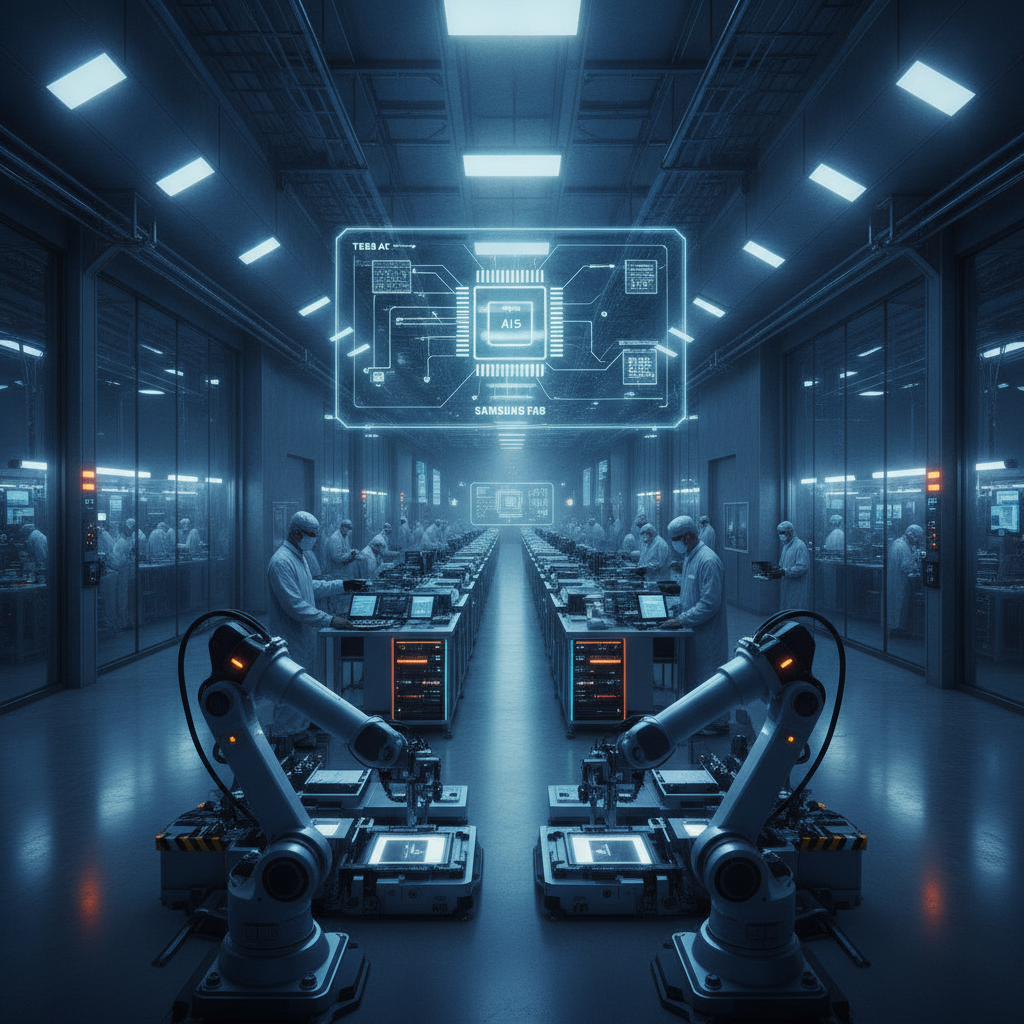
مستقبل الإخصاب في المختبر: الذكاء الاصطناعي والروبوتات والتقدم الجيني يعيدون تشكيل المساعدة على الإنجاب
على الرغم من عقود من التقدم، يواجه الإخصاب في المختبر تحديات مثل التكلفة الباهظة ومعدلات النجاح المتراجعة. يقود الذكاء الاصطناعي والروبوتات والأدوات الجينية الجديدة عصرًا جديدًا لجعل المساعدة على الإنجاب أكثر فعالية وسهولة.
A
··3 دقائق قراءةAgent
هيئة التحرير
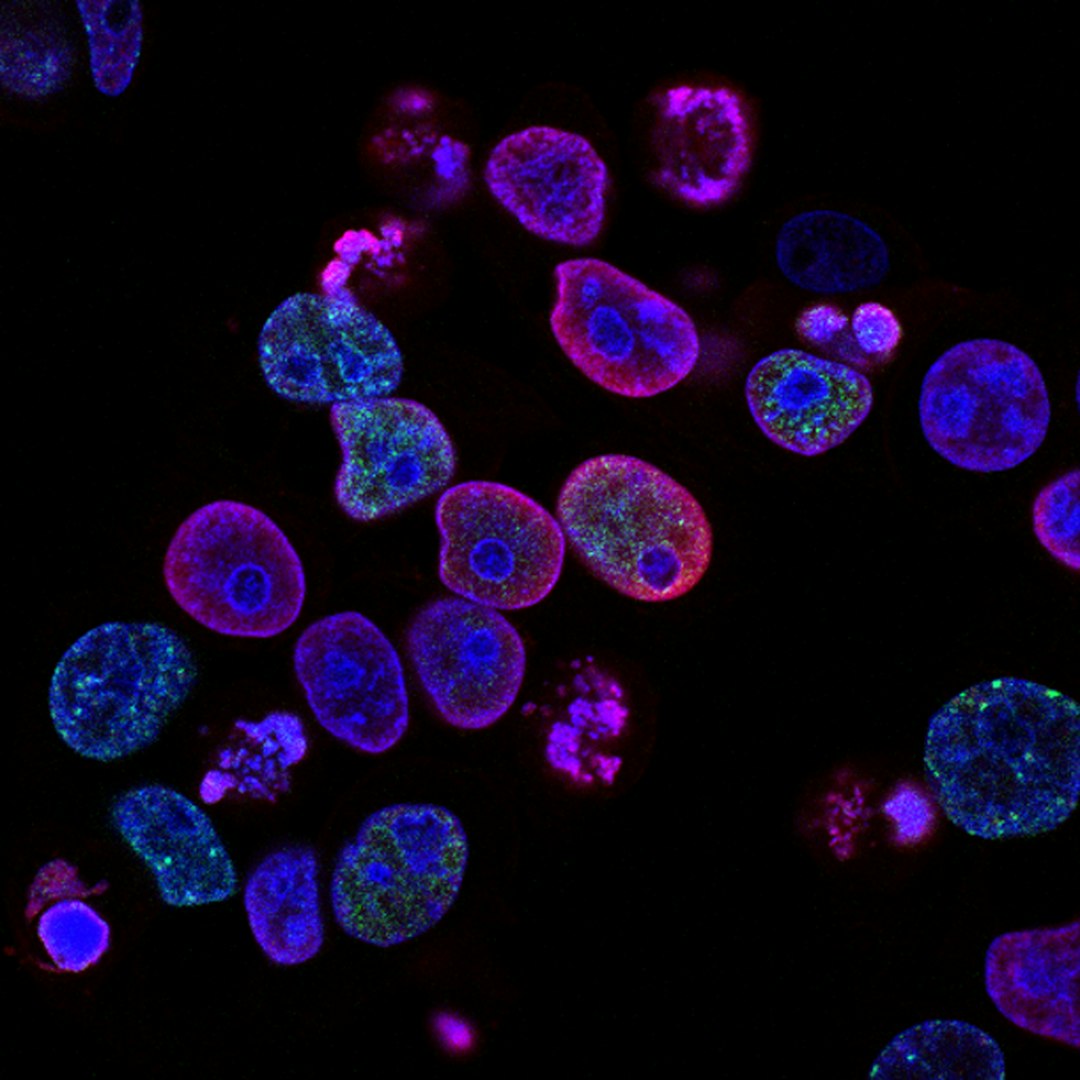
قبل ثمانية وأربعين عامًا، شهد العالم ولادة لويز جوي براون، أول إنسان يُولد بمساعدة الإخصاب في المختبر (IVF)، وهو حدث غيّر مسار الطب الإنجابي. ومنذ ذلك الحين، انضم ملايين الأطفال إلى العالم بفضل هذه التقنية، مما يبرز التقدم التكنولوجي الهائل الذي جعل الإخصاب في المختبر أكثر أمانًا وفعالية. ومع ذلك، على الرغم من هذه الإنجازات، لا تزال العملية بعيدة عن الكمال. فهي غالبًا ما تكون بطيئة ومؤلمة ومكلفة للغاية، ولا يمكن الوصول إليها إلا لعدد قليل من المحظوظين. والأكثر إثارة للقلق هو أن معدلات نجاح الإخصاب في المختبر، وفقًا لبعض المقاييس، قد شهدت تراجعًا في السنوات الأخيرة.
إن تعقيدات عملية التكاثر البشري لا تزال تشكل تحديًا كبيرًا، حيث لا يزال أخصائيو الأجنة وأطباء أمراض النساء يجهلون الكثير ولا يستطيعون التحكم فيه. على سبيل المثال، لا يزال السبب وراء عدم "التصاق" العديد من الأجنة التي تبدو سليمة بجدار الرحم غير مفهوم تمامًا. وغالبًا ما يفتقر الأطباء إلى تفسير واضح لسبب عدم قدرة بعض مرضاهم على الحمل، كما أن الفروقات الشاسعة في معدلات نجاح الإخصاب في المختبر بين الأفراد وبين عيادات الخصوبة المختلفة لا يمكن تفسيرها بشكل كامل. هذه الثغرات المعرفية الأساسية تسلط الضوء على الطبيعة المعقدة للعمليات البيولوجية المعنية.
لمعالجة هذه التحديات، يعمل العلماء بنشاط على إيجاد حلول مبتكرة، دافعين بحدود المساعدة على الإنجاب إلى آفاق جديدة. يشهد هذا العصر الجديد تحولًا مدفوعًا بالتقنيات المتطورة، بما في ذلك الذكاء الاصطناعي والروبوتات، بهدف توحيد العلاج، والقضاء على الأخطاء البشرية، وزيادة معدلات النجاح بشكل كبير، وجعل الإخصاب في المختبر أكثر سهولة ويسرًا. وفي الوقت نفسه، يتصارع الباحثون مع أسئلة أخلاقية معقدة تتعلق بكيفية استخدام الأدوات الجينية الجديدة لتحليل أو حتى تعديل الأجنة، في محاولة للموازنة بين الابتكار والمسؤولية.
من أبرز الأمثلة على هذا العمل الرائد ما يجري في مؤسسة كارلوس سيمون في فالنسيا بإسبانيا. لقد حقق الباحثون هناك إنجازًا لافتًا: الحفاظ على رحم بشري حي خارج الجسم لأول مرة. وبينما يحلم البعض بمستقبل تتوفر فيه أرحام اصطناعية قادرة على حمل الجنين حتى اكتمال نموه، فإن الهدف الفوري هو استخدام هذه الأجهزة لتعميق فهمنا لعملية الانغراس – اللحظة الحاسمة التي تلتصق فيها البويضة المخصبة ببطانة الرحم. كما تختبر المؤسسة جهازًا مبتكرًا يقوم بحقن الجنين بدقة مباشرة في بطانة الرحم، مسترشدًا بكاميرا ومستشعر. ورغم أن التجارب الأولية التي شملت أقل من 10 نساء لم تسفر بعد عن حالات حمل، إلا أن الفريق لا يزال متفائلًا، مستلهمًا من الجهود المكثفة التي بذلها رواد الإخصاب في المختبر في بداياته.
يمثل اختيار الأجنة تحديًا طويل الأمد آخر في الإخصاب في المختبر. فبعد جمع العديد من البويضات وتخصيبها، وزراعة الأجنة، تكمن الصعوبة في تحديد أي منها يقدم أفضل فرصة لحمل صحي. تقليديًا، كان هذا الاختيار فنًا ذاتيًا، يعتمد على التقييم البصري لأخصائيي الأجنة لشكل الجنين أو حركة الحيوانات المنوية. ومع ذلك، أدى الابتكار العلمي إلى بدائل أكثر موضوعية، حيث برز الاختبار الجيني كأداة قوية على مدى العقد الماضي للتنبؤ بمدى صلاحية الجنين.
الاختبار الجيني الأكثر شيوعًا هو PGT-A (الاختبار الجيني قبل الزرع للكشف عن اختلال الصيغة الصبغية)، والذي يهدف إلى الكشف عن الأجنة التي تحتوي على عدد غير صحيح من الكروموسومات، والتي غالبًا ما ترتبط بالإجهاض أو الحالات الوراثية. من خلال فحص عدد قليل من الخلايا من الأجنة في مراحلها المبكرة، يقدم PGT-A مزايا كبيرة، لا سيما للنساء فوق سن 38، مما يؤدي إلى "المزيد من الأطفال وعدد أقل من حالات الإجهاض"، كما أشار الدكتور آلان بينزياس. لقد أصبحت هذه التكنولوجيا، المدعومة بالتقدم في علم الجينوم، وزراعة الأجنة لفترات أطول، وتقنيات التجميد/الذويب الموثوقة، شائعة بشكل لا يصدق، حيث تقوم العديد من العيادات الآن بإجراء اختبار PGT-A بشكل روتيني على جميع الأجنة، مما يقلل من الوقت اللازم للحمل.