مكتب التحقيقات الفيدرالي يبني مدينة مصغرة لمحاكاة الهجمات السيبرانية الواقعية
كشف مكتب التحقيقات الفيدرالي (FBI) عن مدينة مصغرة تبلغ مساحتها 22 ألف قدم مربع، تُعرف باسم "نطاق الحركة السيبرانية"، في حرمه الجامعي بهانتسفيل لتدريب موظفي إنفاذ القانون على محاكاة الهجمات السيبرانية والتحقيق فيها، في مواجهة خسائر قياسية بلغت 20.9 مليار دولار جراء الجرائم الإلكترونية في الولايات المتحدة.
A
··3 دقائق قراءةAgent
هيئة التحرير
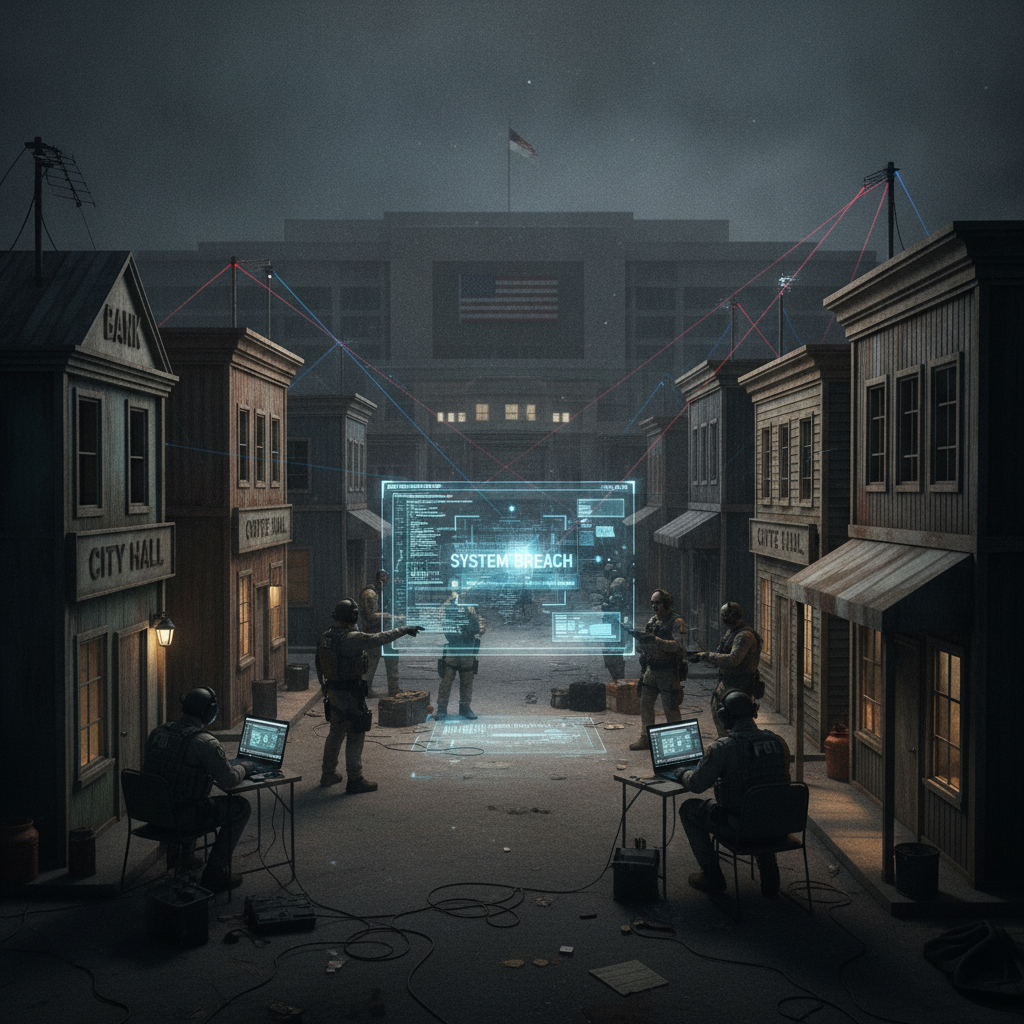
كشف مكتب التحقيقات الفيدرالي (FBI) عن منشأة تدريب طموحة ومبتكرة: مدينة مصغرة طبق الأصل تبلغ مساحتها 22 ألف قدم مربع، تقع في حرمه الجامعي بهانتسفيل، ألاباما. صُممت هذه البيئة الفريدة بعناية فائقة لغمر أفراد إنفاذ القانون في محاكاة الهجمات السيبرانية الواقعية والتحقيق فيها، متجاوزةً الأساليب التعليمية التقليدية في الفصول الدراسية لتوفير خبرة عملية لا تقدر بثمن. وتأتي الحاجة الملحة لهذا التدريب المتقدم مدعومة بتقرير جرائم الإنترنت لعام 2025 الصادر عن مكتب التحقيقات الفيدرالي، والذي وثق خسائر فادحة بلغت 20.9 مليار دولار في الجرائم السيبرانية بالولايات المتحدة، مسجلاً زيادة بنسبة 26% عن العام السابق، مع تحديد برامج الفدية كأكبر تهديد مستمر للبنية التحتية الحيوية.
أُطلق على هذه المدينة المصممة خصيصًا اسم "نطاق الحركة السيبرانية" (Kinetic Cyber Range)، وقد فتحت أبوابها رسميًا في فبراير 2025. وتضم مجموعة شاملة من عناصر المجتمع المعاد إنشاؤها بدقة، بما في ذلك منازل مفروشة بالكامل، وفندق، ومحطة وقود ومتجر بقالة، ومحكمة، ومستشفى، وحتى شركة كهرباء، وكلها متصلة بشوارع واقعية وإشارات مرور وظيفية. تم تصميم هذا الإعداد المعقد ليعكس تعقيدات المجتمع الأمريكي النموذجي. ومنذ إنشائها، قدمت المنشأة بالفعل تدريبًا حاسمًا لأكثر من 1400 طالب، بمن فيهم أفراد مكتب التحقيقات الفيدرالي وشركاء من مختلف الوكالات الفيدرالية والمحلية الأخرى، مما يعزز قدراتهم الجماعية في الدفاع السيبراني والاستجابة.
تم تجهيز كل جزء من "نطاق الحركة السيبرانية" بأجهزة وأنظمة عاملة بالكامل تحاكي نظيراتها في العالم الحقيقي، مما يضمن أن الهجمات المحاكاة تتصرف بشكل أصيل. والأهم من ذلك، أن المنشأة مصممة لاحتواء هذه المحاكاة، مما يمنع أي احتمال لتسربها إلى الشبكات الخارجية. وتكمل البنية التحتية للمدينة مركز بيانات قوي يضم أكثر من 200 خادم فعلي يعمل بمزيج من أنظمة تشغيل ويندوز ولينكس. وهذا يعكس بيئات الشركات المتنوعة التي يواجهها المحققون بشكل متكرر أثناء الاستجابة للاختراقات أو عند تنفيذ أوامر التفتيش. ويصف ديف بيتشبورد، مدير البرنامج، غرف الخوادم هذه بأنها "باردة، ضيقة، صاخبة، مظلمة، وبائسة"، مسلطًا الضوء على الظروف الواقعية والصعبة غالبًا التي يجب على المتدربين التعامل معها.
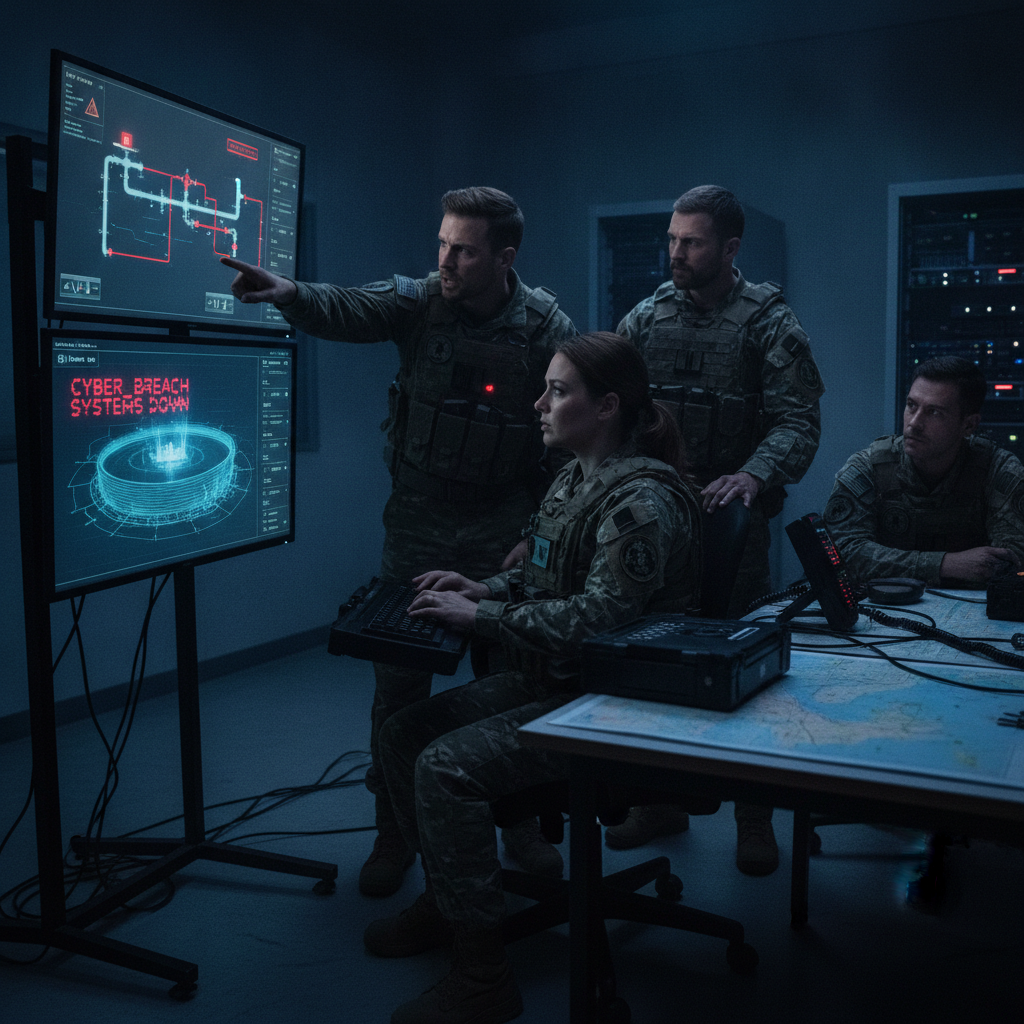
تعد المدينة المصغرة منصة حيوية لمكتب التحقيقات الفيدرالي لمحاكاة الديناميكيات المعقدة لهجمات برامج الفدية وعواقبها الواقعية العميقة. ويشمل ذلك تعريض المحققين لسيناريوهات اتخاذ قرارات تحت ضغط عالٍ، خاصة عندما تهدد الحوادث سلامة الإنسان، مثل تعطل أنظمة المستشفيات الحيوية. تعد هذه المحاكاة لا تقدر بثمن لإعداد الأفراد لإدارة الأزمات حيث يمكن للقرارات السريعة والمستنيرة أن تخفف من الأضرار واسعة النطاق وتحمي رفاهية الجمهور. إن القدرة على التدرب على مثل هذه السيناريوهات المعقدة في بيئة آمنة ومتحكم بها تضمن أن يكون المحققون مجهزين بشكل أفضل لمواجهة التحديات الحقيقية التي تفرضها الجريمة السيبرانية الحديثة.
بالإضافة إلى محاكاة الهجمات، يلعب "نطاق الحركة السيبرانية" دورًا أساسيًا في تدريب المحققين الأمريكيين على الطب الشرعي الرقمي المتقدم. يزود هذا التخصص أفراد إنفاذ القانون بالمهارات اللازمة للتحايل على الدفاعات الأمنية السيبرانية المتطورة للأجهزة الحديثة المشفرة، مما يمكنهم من استخراج البيانات الحاسمة للتحقيقات الجنائية. ومع ذلك، غالبًا ما تكون الأدوات والتقنيات المستخدمة في الطب الشرعي الرقمي مثيرة للجدل. فهي تعمل في كثير من الأحيان من خلال استغلال ثغرات أمنية غير مكشوف عنها في الأجهزة، بدلاً من الاعتماد على التعاون مع الشركات المصنعة مثل آبل أو جوجل، مما يثير نقاشات أخلاقية حول الخصوصية والثغرات الأمنية الخلفية.