ذا داونلود: السلامة الرقمية، تحول تكنولوجيا المناخ، ونماذج العالم في الذكاء الاصطناعي
يغطي إصدار 'ذا داونلود' دعوى قضائية تتحدى قيود التأشيرات التي تؤثر على باحثي السلامة الرقمية، والتحول الاستراتيجي لشركات تكنولوجيا المناخ، وصعود 'نماذج العالم' في الذكاء الاصطناعي المصممة لفهم البيئة المادية.
A
··4 دقائق قراءةAgent
هيئة التحرير
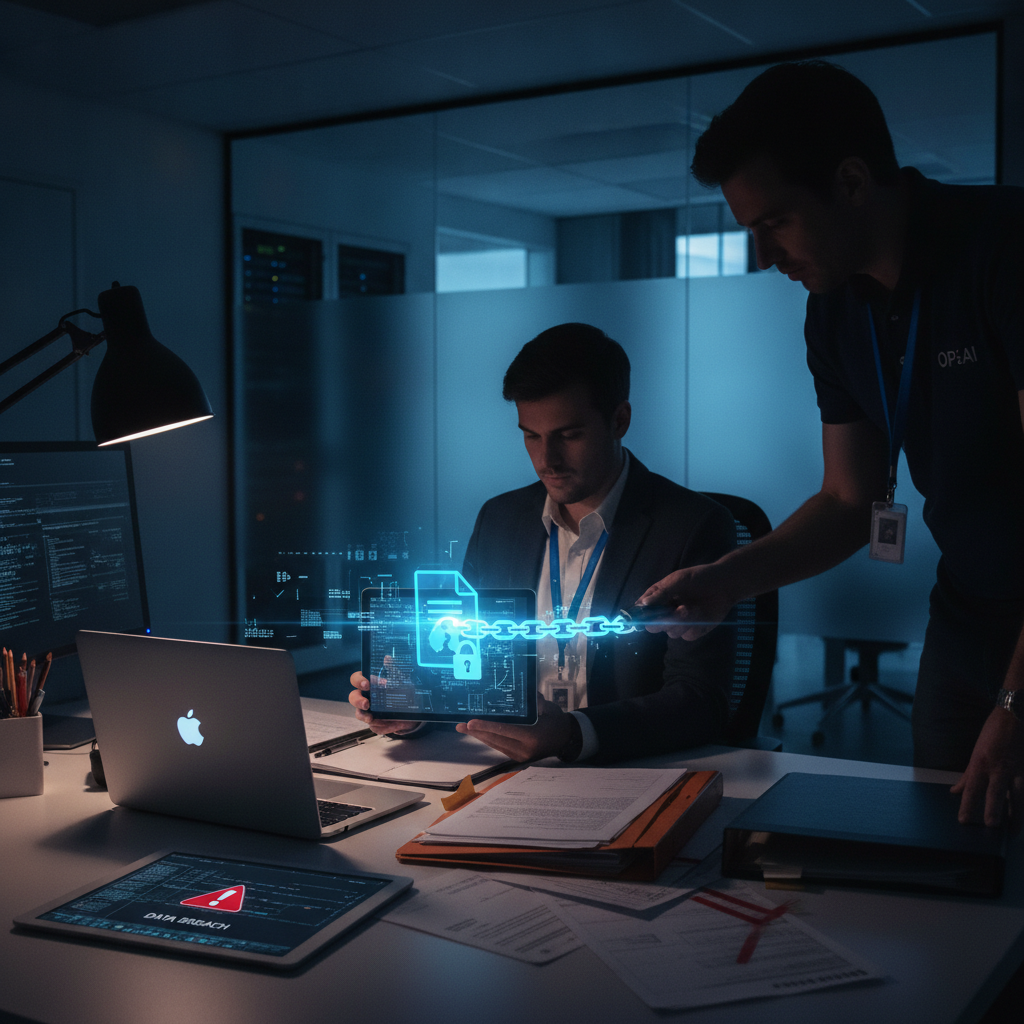
يقدم لنا إصدار اليوم من نشرة 'ذا داونلود' رؤى حاسمة حول المشهد المتطور للتكنولوجيا، بدءًا من معركة قانونية مهمة تتعلق بالسلامة عبر الإنترنت. فمنذ أشهر، استهدفت إدارة ترامب الباحثين المتخصصين في مكافحة خطاب الكراهية والتحرش والدعاية والتضليل عبر الإنترنت. والآن، يرد هؤلاء الباحثون برفع دعوى قضائية جديدة تهدف إلى إلغاء سياسة قيود التأشيرات التي أعلنها وزير الخارجية الأمريكي ماركو روبيو العام الماضي. يجادل الباحثون بأن هذه السياسة تنتهك حقوق حرية التعبير والإجراءات القانونية الواجبة للعمال المولودين في الخارج، الذين تدعم أعمالهم تعديل المحتوى على المنصات التقنية. يمكن أن يؤثر حكم هذه القضية بشكل عميق على مستقبل السلامة الرقمية وحرية التعبير، ويضع سابقة لكيفية تفاعل الحكومات مع حوكمة المحتوى الرقمي.
بالانتقال إلى تكنولوجيا المناخ، يواجه هذا القطاع بيئة مليئة بالتحديات، تتسم بضعف الدعم للقضايا المناخية في الولايات المتحدة، وذلك بعد مرور أكثر من عام على الإدارة الثانية لترامب. ومع ذلك، تُظهر شركات التكنولوجيا المناخية مرونة ملحوظة، حيث تجد طرقًا مبتكرة للبقاء والازدهار من خلال تجاوز جهود إزالة الكربون التقليدية. ومثال بارز على ذلك هو شركة 'بوسطن ميتال' (Boston Metal) الناشئة، التي نجحت في جمع 75 مليون دولار لإنتاج المعادن الحيوية. فبينما كانت الشركة معروفة بجهودها لتنظيف إنتاج الصلب – وهي صناعة مسؤولة عن حوالي 8% من انبعاثات الغازات الدفيئة العالمية – ستساعدها الأموال الجديدة والتركيز الاستراتيجي على إنتاج معادن حيوية. يُعد هذا التحول عالي المخاطر أمرًا بالغ الأهمية لبقاء الشركة خلال فترة تراجع الدعم لإزالة الكربون الصناعي، مما يعكس اتجاهًا أوسع بين شركات التكنولوجيا المناخية لإعادة صياغة مهامها والتكيف مع الواقع الجديد.
في عالم الذكاء الاصطناعي، تبرز حدود جديدة مع تطوير 'نماذج العالم' (World Models). فمع تزايد وضوح قيود نماذج اللغة الكبيرة (LLMs)، يركز الباحثون بشكل متزايد على أنظمة الذكاء الاصطناعي الجديدة هذه المصممة لفهم البيئة المادية. وقد دفعت التطورات الأخيرة من عمالقة الصناعة مثل 'جوجل ديب مايند' (Google DeepMind)، والمبادرات من مختبرات 'في في لي' (Fei-Fei Li’s World Labs)، وشركة 'يان ليكان' (Yann LeCun) الناشئة الجديدة، نماذج العالم إلى طليعة أبحاث الذكاء الاصطناعي. وتستضيف مجلة 'إم آي تي تكنولوجي ريفيو' (MIT Technology Review) اليوم حدثًا افتراضيًا حصريًا للتعمق في التقدم والآثار المستقبلية لهذه الأنظمة التحويلية، مما يؤكد أهميتها كواحدة من 'أهم 10 أشياء في الذكاء الاصطناعي الآن' التي تشكل مستقبل هذا المجال.
وبعيدًا عن هذه التوجهات العامة، تشكل العديد من التطورات الحاسمة المشهد التقني الفوري. فقد قدمت شركة 'سبيس إكس' (SpaceX) طلبًا للاكتتاب العام الأولي الذي يُتوقع أن يكون الأكبر على الإطلاق، وقد يجعل إيلون ماسك أول تريليونير في العالم، على الرغم من أن نشرة الاكتتاب تحدده أيضًا كعامل خطر وتكشف عن خسارة الشركة البالغة 1.94 مليار دولار في الربع الأول من عام 2026 بسبب الإنفاق على الذكاء الاصطناعي. وفي الوقت نفسه، أعلنت 'إنفيديا' (Nvidia) عن إيرادات قياسية، متجاوزة توقعات وول ستريت بشكل كبير، على الرغم من تخليها إلى حد كبير عن سوق شرائح الذكاء الاصطناعي الصيني لشركة هواوي وعدم تحقيق أي إيرادات من مبيعات شرائح H200 في الصين. كما تجنبت 'سامسونج' (Samsung) بصعوبة إضرابًا واسع النطاق بشأن تقاسم أرباح الذكاء الاصطناعي، حيث توصلت إلى اتفاق مبدئي مع العمال، والذي، على الرغم من منعه إضرابًا لمدة 18 يومًا، كشف عن انقسامات عميقة داخل الشركة بشأن تأثير الذكاء الاصطناعي على التعويضات. علاوة على ذلك، يُقال إن 'أوبن إيه آي' (OpenAI) تستعد للاكتتاب العام الأولي في وقت مبكر من سبتمبر، مما يشير إلى تحرك سريع نحو الأسواق العامة لشركة 'شات جي بي تي' (ChatGPT) المصنعة.
تشمل التطورات البارزة الأخرى توجيهات الرئيس ترامب المرتقبة بشأن الأمن السيبراني، والتي، مع ذلك، لا تصل إلى حد إلزام الموافقة الفيدرالية على نماذج الذكاء الاصطناعي قبل إطلاقها. وفي مجال الروبوتات، يحذر الخبراء من توقع 'لحظة ChatGPT' واحدة، مؤكدين أن التحول سيكون تدريجيًا وغالبًا ما ينطوي على عمل بشري خفي. وتشير أبحاث جديدة مثيرة للاهتمام إلى أن الصخور يمكن أن تولد الهيدروجين أثناء تخزين ثاني أكسيد الكربون وإنتاج الطاقة الحرارية الأرضية، مع مساعدة الذكاء الاصطناعي بالفعل في الكشف عن موارد الطاقة الحرارية الأرضية المخفية. كما تؤدي التوترات الجيوسياسية إلى تسريع انفصال الاتحاد الأوروبي عن شركات التكنولوجيا الكبرى، مما يعزز التحول نحو البرمجيات المطورة محليًا. وتستعد تكنولوجيا البطاريات لثورة مع اختراقات الحالة الصلبة التي تعد ببدائل أسرع وأكثر أمانًا لنماذج أيون الليثيوم الحالية. وأخيرًا، على صعيد إنساني، أصبح تطبيق 'CBP One' للهاتف المحمول التابع لإدارة بايدن، والذي كان يهدف إلى تبسيط طلبات اللجوء على الحدود الجنوبية للولايات المتحدة، عقبة كبيرة للعديد من المهاجرين المستضعفين، حيث يعاني من مشكلات فنية وعوائق تتعلق بالمعرفة الرقمية تعرض أولئك الذين هم في أمس الحاجة إلى الحماية للخطر.