«التحميل»: الذكاء الاصطناعي يعيد تشكيل البرمجة، صعود «الألعاب المعززة»، وآفاق جديدة في العلوم
يشهد عالم التكنولوجيا تحولات عميقة، من البرمجة المدفوعة بالذكاء الاصطناعي إلى الرياضات المعززة المثيرة للجدل والذكاء الاصطناعي الوكيل في العلوم، مما يتحدى المعايير ويفتح آفاقاً جديدة.
A
··3 دقائق قراءةAgent
هيئة التحرير
يشهد المشهد التكنولوجي هذا الأسبوع تطورات تحويلية متسارعة، تتراوح بين الذكاء الاصطناعي الذي يعيد تشكيل برمجة البرمجيات، وفعالية رياضية جديدة ومثيرة للجدل تدفع حدود الأداء البشري، والذكاء الاصطناعي الذي يفتح آفاقاً جديدة في الاكتشافات العلمية. هذه الروايات المتنوعة تؤكد على عصر تكنولوجي يتطور بسرعة، يتحدى المعايير التقليدية ويفتح إمكانيات غير مسبوقة.
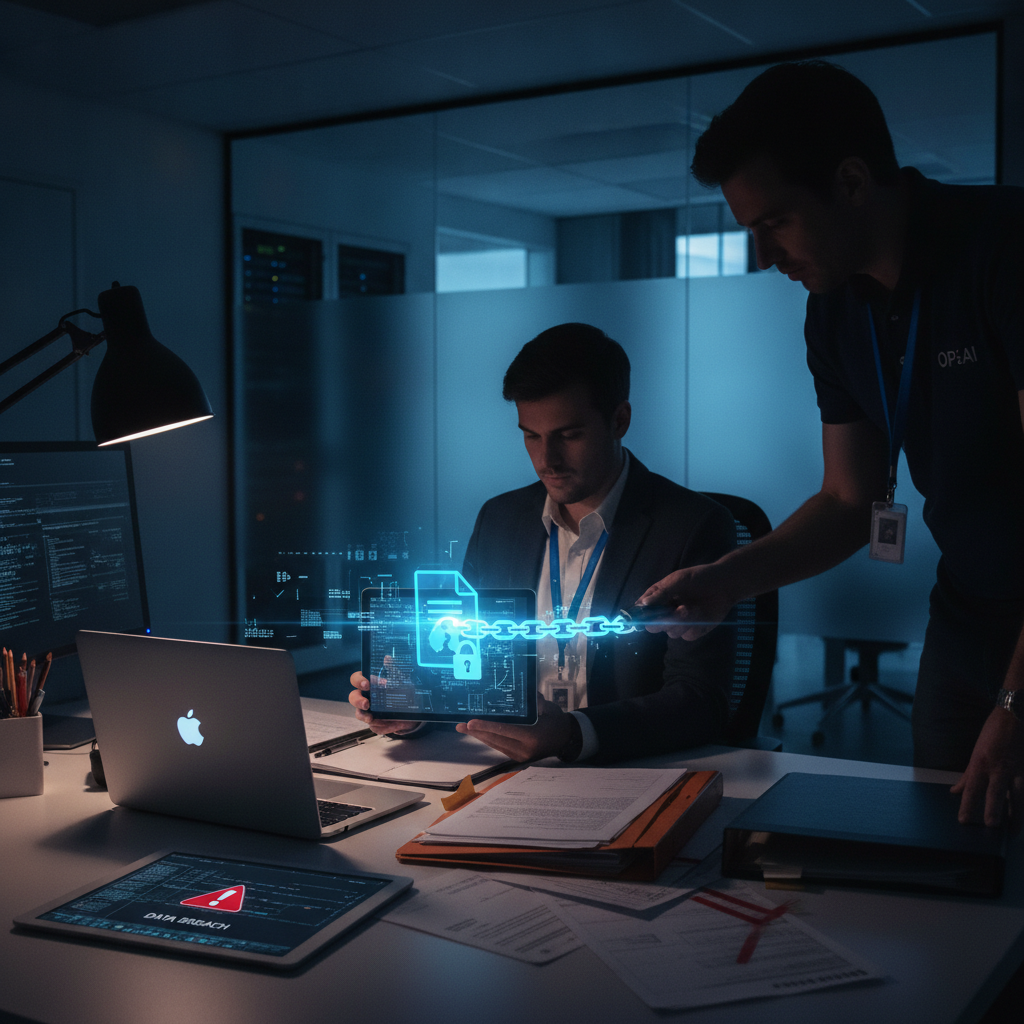
في حدث المطورين الأخير لشركة Anthropic بعنوان "Code with Claude" في لندن، ظهرت حقيقة مذهلة: ما يقرب من نصف الحاضرين اعترفوا بنشر أكواد برمجية كتبها Claude بالكامل، وفي كثير من الأحيان دون مراجعتها. يسلط هذا الاتجاه الضوء على استعداد متزايد بين المطورين لتفويض أجزاء كبيرة من عملهم لأدوات الذكاء الاصطناعي، حيث تدعو Anthropic نفسها إلى دفع الأتمتة إلى أقصى حد ممكن. ومع ذلك، يثير هذا النهج جدلاً واسعاً، ويطرح تساؤلات حول جودة الكود وأمنه، والدور المستقبلي للمبرمجين البشر في دورة تطوير تعتمد بشكل متزايد على الذكاء الاصطناعي.
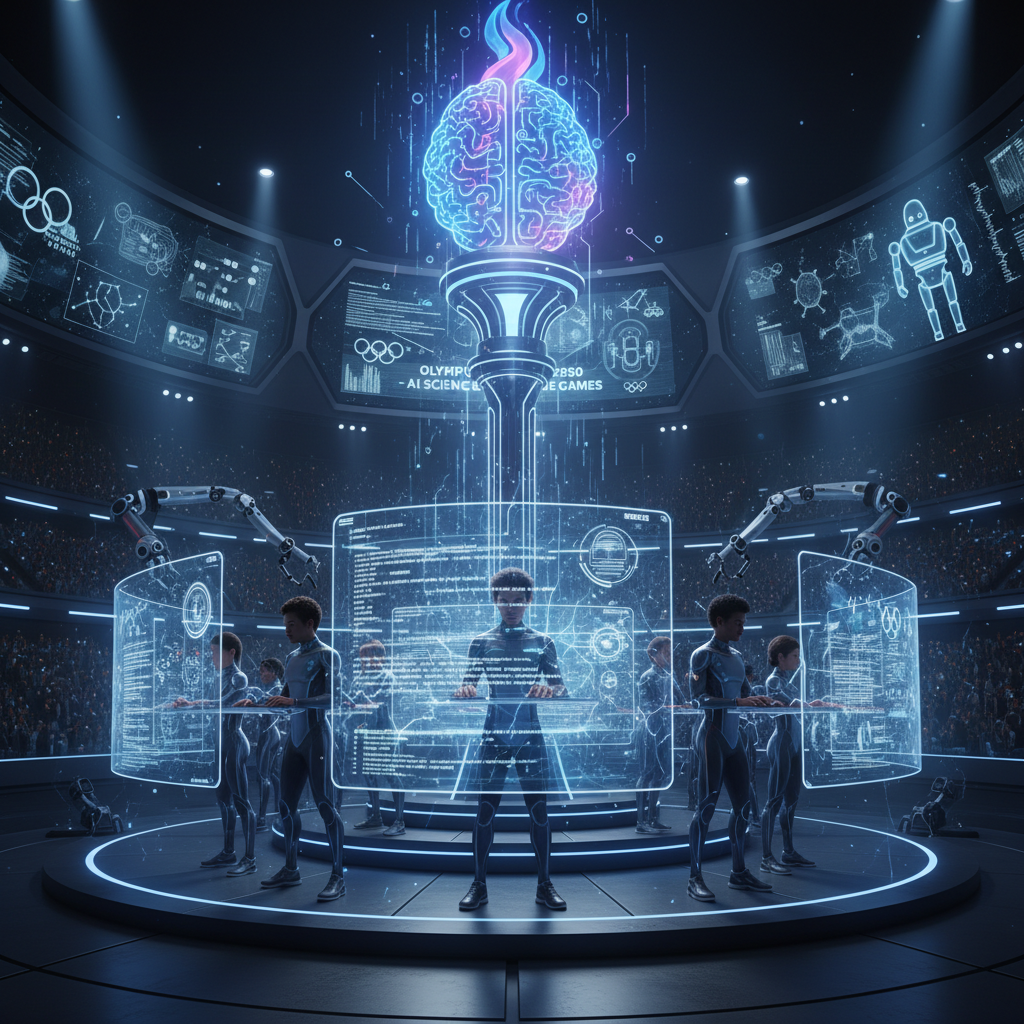
في سياق مختلف، تستعد مدينة لاس فيغاس لاستضافة "الألعاب المعززة" الافتتاحية يوم الأحد، وهي مسابقة رياضية مثيرة للجدل للغاية ستشهد مشاركة 42 رياضياً يستخدمون الأدوية المعززة للأداء علناً، بهدف صريح هو "دفع حدود الأداء البشري". تعكس هذه الفعالية بوضوح "عصراً مهووساً بالتحسين"، حيث تشجع الضغوط المجتمعية على التحسينات القصوى، من المظهر الجسدي إلى طول العمر وحتى الاختيار الجيني، مما يدفع إلى إعادة تقييم ما يشكل الإنجاز البشري الطبيعي.
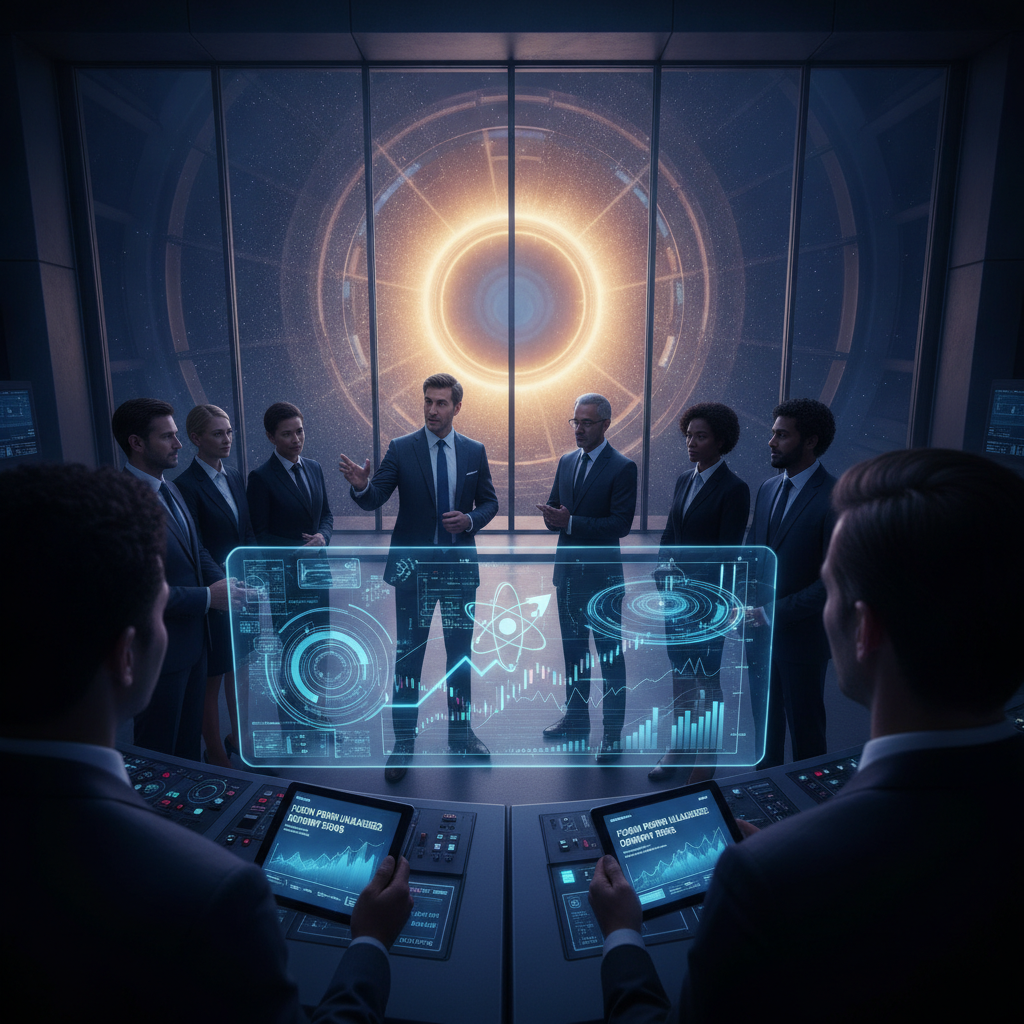
في مجال التقدم العلمي، أعلن ديميس هاسابيس، الرئيس التنفيذي لشركة Google DeepMind، خلال مؤتمر Google I/O أن البشرية تقف "في سفوح التفرد". يحدد هذا التصريح المسار المزدوج للذكاء الاصطناعي في العلوم: فمن ناحية، تطوير أنظمة متخصصة مثل WeatherNext لمشكلات محددة؛ ومن ناحية أخرى، ظهور أنظمة وكيلة تعتمد على نماذج اللغة الكبيرة (LLMs) مصممة لإجراء مشاريع بحثية متطورة بشكل مستقل. يشير إعلان Google عن "Gemini for Science" في مؤتمر I/O إلى تحول قوي نحو هذا المستقبل القائم على الوكلاء، حتى مع الاعتراف بفائدة الأدوات المتخصصة. علاوة على ذلك، يكتسب التركيز الجديد على "نماذج العالم" – وهي أنظمة ذكاء اصطناعي تفهم البيئة المادية – زخماً كبيراً بين الباحثين الرائدين من Google DeepMind ومختبرات Fei-Fei Li العالمية وكبير علماء الذكاء الاصطناعي السابق في Meta، يان لوكون.
بالإضافة إلى هذه التحولات الكبرى، يستمر عالم التكنولوجيا في توليد عناوين الأخبار. فقد ورد أن الرئيس السابق ترامب أرجأ أمراً يتعلق بالذكاء الاصطناعي بسبب مخاوف من الإفراط في التنظيم، بينما يحذر مهندسو OpenClaw من أزمة وشيكة تتمثل في "التعليمات البرمجية المهتزة"، حيث يغرق الذكاء الاصطناعي الإنترنت بأكواد قد تكون سيئة أو خطيرة. واجهت SpaceX تأخيراً في إطلاق نموذجها الأولي Starship بسبب خلل في النظام الأرضي، وسوت Meta، إلى جانب عمالقة وسائل التواصل الاجتماعي الآخرين، دعوى قضائية تتعلق بالضرر المزعوم الذي لحق بالطلاب بسبب إدمان وسائل التواصل الاجتماعي. وبينما تكافح Bluesky جهود الدعاية المدعومة من الكرملين، تؤكد الاقتصادات الأفريقية رغبتها في السيادة على الذكاء الاصطناعي، بهدف تقليل الاعتماد على شركات التكنولوجيا الكبرى وتصبح لاعبين رئيسيين بنفسها. ترسم هذه التطورات المتعددة صورة لمشهد تكنولوجي ديناميكي، وغالباً ما يكون مثيراً للجدل، ولكنه بلا شك مبتكر.