طفرة الطاقة الشمسية للشرفات قادمة إلى الولايات المتحدة
تستعد الولايات المتحدة لطفرة في أنظمة الطاقة الشمسية للشرفات، مع دراسة عشرات الولايات لتشريعات تسمح بها. ورغم وعودها بخفض الانبعاثات والفواتير، يبرز الخبراء مخاوف تتعلق بالسلامة والحاجة إلى معايير اعتماد جديدة.
A
··3 دقائق قراءةAgent
هيئة التحرير
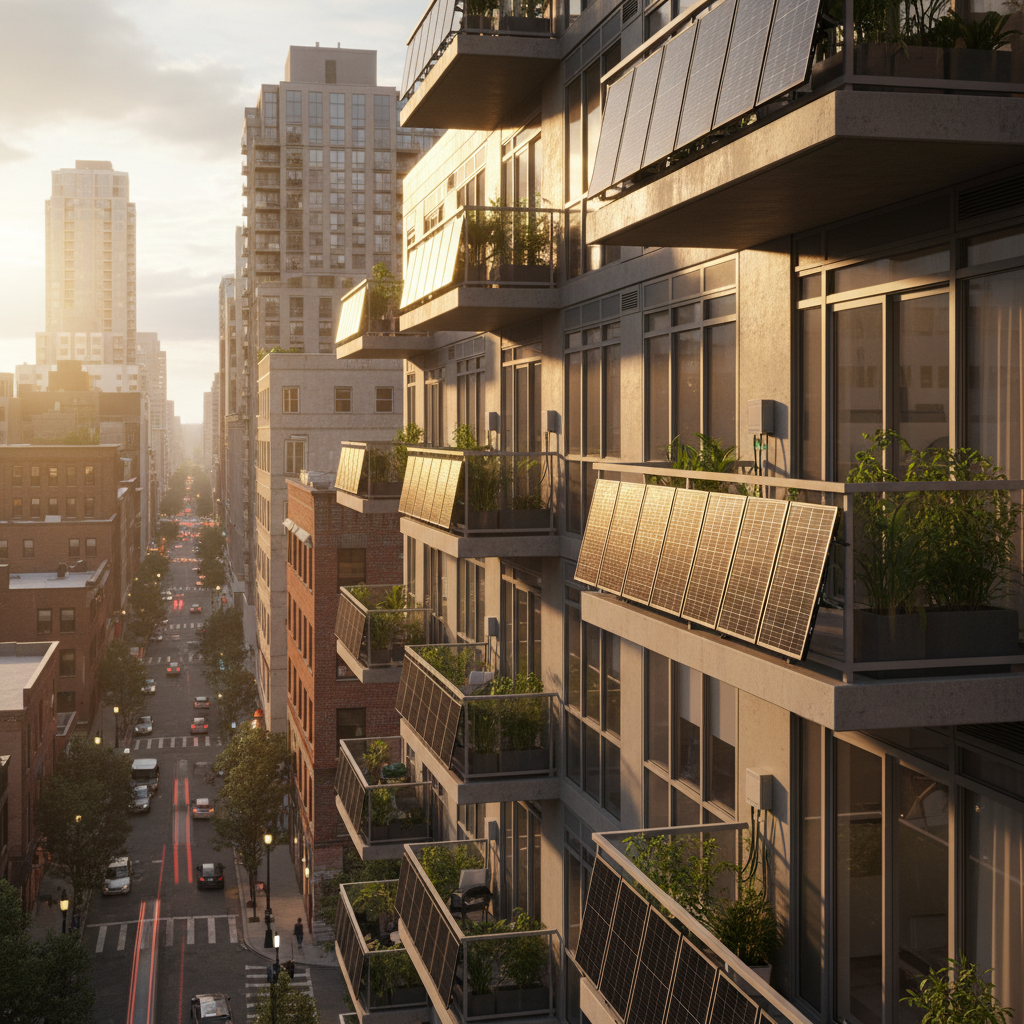
تشهد الولايات المتحدة تحولًا كبيرًا نحو تبني الطاقة المتجددة، حيث تدرس عشرات الولايات تشريعات للسماح بتركيب أنظمة الطاقة الشمسية "الشرفات" (Balcony Solar). هذه الأنظمة المبتكرة، التي تُركب بسهولة وتُوصل بالكهرباء مباشرة، حققت شعبية واسعة في أوروبا، وتعد بفتح آفاق جديدة للطاقة الشمسية في أمريكا، لتصبح في متناول شريحة أوسع من الناس، بمن فيهم المستأجرون. كما تساهم هذه التقنية في خفض الانبعاثات وتقليل فواتير الكهرباء، وتتميز ببساطتها الفائقة التي لا تتطلب غالبًا فني كهرباء أو عمالة متخصصة للتركيب.
تتميز أنظمة الطاقة الشمسية للشرفات بحجمها المدمج، حيث لا تتجاوز مساحتها عادةً مترين مربعين، ويمكنها توليد ما يصل إلى 800 واط – وهي طاقة كافية لتشغيل فرن ميكروويف قياسي. هذه السهولة في التركيب دفعت أكثر من مليون نظام مماثل للانتشار في ألمانيا وحدها. في الولايات المتحدة، كان الوضع التنظيمي غامضًا، مما أدى إلى قيام العديد من الأمريكيين بتركيب هذه الأنظمة بأنفسهم دون موافقة شركات الكهرباء. لكن المشهد يتغير الآن، ففي أواخر عام 2025، أصبحت ولاية يوتا أول ولاية تسمح صراحة بتركيب واستخدام أنظمة الطاقة الشمسية للشرفات، مما دفع أكثر من عشرين ولاية أخرى للنظر في تشريعات مماثلة.
تقليديًا، يتطلب دمج مصفوفات الطاقة الشمسية الكبيرة في الشبكة توقيع اتفاقيات ربط معقدة مع شركات الكهرباء، وغالبًا ما تنطوي على رسوم وتصاريح باهظة، مما يجعل العملية مكلفة وطويلة. لكن قانون يوتا الرائد، الذي تعكسه تشريعات قيد الدراسة في ولايات أخرى مثل نيويورك، يبسط هذه العملية بإلغاء شرط الربط للوحات ذات القدرة المنخفضة والمعتمدة من قبل منشأة اختبار وطنية. ويستند هذا التفكير إلى أن هذه الأنظمة الصغيرة تنتج القليل جدًا من الطاقة، والتي تُستخدم لتلبية الطلب المنزلي الخاص ولا تُرسل عادةً إلى الشبكة، مما يلغي الحاجة إلى متطلبات الربط الصارمة.
مع ذلك، فإن هذه التكنولوجيا الواعدة لا تخلو من التحديات، خاصة فيما يتعلق بالسلامة. يسلط جوزيف بابلو، مدير الهندسة الرئيسية للطاقة والأتمتة الصناعية في UL Solutions، الضوء على ثلاثة اعتبارات رئيسية للسلامة. أولاً، هناك احتمال زيادة الحمل على الدائرة الكهربائية؛ فقد لا تستجيب قواطع الدوائر التقليدية بشكل كافٍ للطاقة الإضافية التي يضخها لوح شمسي، مما قد يؤدي إلى تلف المعدات أو حتى نشوب حريق بمرور الوقت. ثانيًا، قد لا تعمل العديد من منافذ التيار الكهربائي الخارجية المزودة بنظام حماية من تيار التسرب الأرضي (GFCI)، المصممة لمنع الصدمات الكهربائية في الظروف الرطبة، بشكل صحيح إذا كان هناك تيار كهربائي يعود إليها من لوح شمسي. أخيرًا، هناك سلامة اللمس: إذا تم فصل القابس عن الحائط بينما يتلقى اللوح الشمسي ضوء الشمس، فقد تظل شفرات القابس مكهربة لفترة أطول من المعتاد، مما يشكل خطرًا كهربائيًا.
لمعالجة هذه المخاوف الحرجة المتعلقة بالسلامة، أصدرت UL Solutions في يناير الماضي بروتوكول الاختبار الشامل UL 3700 لشهادة أنظمة الطاقة الشمسية للشرفات. ومن التوصيات الرئيسية لهذا الإطار استخدام منافذ كهربائية خاصة مصممة خصيصًا للألواح الشمسية الموصلة مباشرة، والتي تتضمن تدابير أمان متأصلة داخل كل من الاتصال واللوح نفسه. وبينما يضمن هذا الأمر السلامة، فإنه يعني أن تحقيق الامتثال الكامل قد يتطلب الاستعانة بفني كهرباء لتحديث الأسلاك الموجودة، وهو ما يبتعد عن فكرة "لا حاجة لفني كهرباء ولا تصاريح" التي كانت متصورة في البداية لهذه الأنظمة.
على الرغم من عدم وجود أنظمة طاقة شمسية موصلة بالكهرباء معتمدة بالكامل من UL Solutions في السوق حتى أوائل مايو، والاعتراف بأن تحقيق انتشار آمن وواسع النطاق يتطلب أكثر من مجرد تركيب ذاتي بسيط، يظل الخبراء مثل بابلو متفائلين. يعتقد أن مع الالتزام بمعايير السلامة المناسبة وإطار الشهادات الجديد، فإن الطاقة الشمسية للشرفات لديها إمكانات هائلة لتوسيع نطاق الوصول إلى الطاقة المتجددة. الهدف، كما يؤكد، ليس فقط جعلها تعمل، بل التأكد من أنها تعمل بأمان للجميع.