سباق تسلح مهارات الذكاء الاصطناعي يعيد تشكيل قطاع السيارات وما بعده
يشهد قطاع السيارات تحولاً جذرياً في المهارات مدفوعاً بالذكاء الاصطناعي، حيث تتجه الشركات الكبرى مثل جنرال موتورز إلى تسريح موظفي تقنية المعلومات التقليديين وتوظيف خبراء في الذكاء الاصطناعي. هذا السباق لا يعيد تشكيل القوى العاملة فحسب، بل يغذي أيضاً تطبيقات مبتكرة مثل نموذج الذكاء الاصطناعي لشركة Samsara للكشف عن الحفر في الطرق.
A
··4 دقائق قراءةAgent
هيئة التحرير
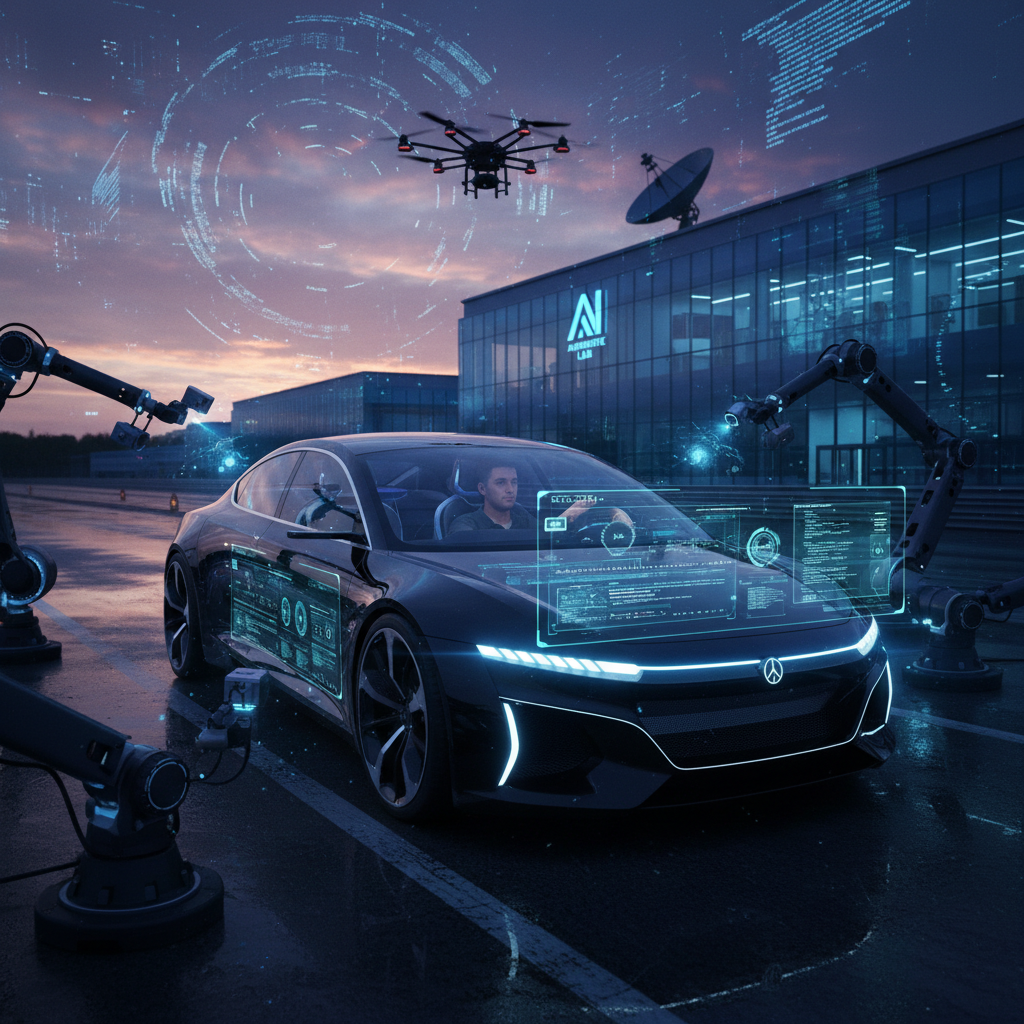
يشهد قطاع النقل، شأنه شأن جميع الصناعات تقريباً، تحولاً عميقاً مدفوعاً بالذكاء الاصطناعي، مما يؤدي إلى إعادة تشكيل كبيرة لسوق العمل. يتميز هذا التحول بظهور أدوار وظيفية جديدة تركز على قدرات الذكاء الاصطناعي، وغالباً ما يكون ذلك على حساب الوظائف التقليدية. على سبيل المثال، قامت شركة جنرال موتورز مؤخراً بتسريح أكثر من 10% من قسم تكنولوجيا المعلومات لديها، أي حوالي 600 موظف بأجر، في خطوة متعمدة لتبديل المهارات. وبينما لا يُعد هذا الانتقال تبادلاً واحداً لواحد، ومن المرجح أن يؤدي إلى خسارة صافية في الوظائف في بعض المجالات، تؤكد جنرال موتورز التزامها بتوظيف متخصصين جدد في تكنولوجيا المعلومات من ذوي الخلفيات المركزة على الذكاء الاصطناعي.
تشمل المهارات الأكثر طلباً في هذا المشهد المتطور تطوير الذكاء الاصطناعي الأصيل، وهندسة البيانات والتحليلات، والهندسة القائمة على السحابة، وتطوير الوكلاء والنماذج، وهندسة الأوامر (Prompt Engineering)، بالإضافة إلى القدرة على إنشاء سير عمل جديد للذكاء الاصطناعي. تسعى شركات مثل جنرال موتورز بنشاط إلى الأفراد الذين يمكنهم بناء أنظمة الذكاء الاصطناعي من الألف إلى الياء – تصميم البنى، وتدريب النماذج المعقدة، وهندسة خطوط أنابيب البيانات القوية – بدلاً من مجرد استخدام الذكاء الاصطناعي كأداة لزيادة الإنتاجية. يعكس هذا التحول الاستراتيجي اتجاهاً أوسع عبر قطاع السيارات، حيث قامت شركات كبرى مثل فورد وجنرال موتورز وستيلانتس مجتمعة بتسريح أكثر من 20 ألف وظيفة بأجر في الولايات المتحدة، أو 19% من إجمالي قواها العاملة، منذ ذروة التوظيف الأخيرة، وغالباً ما ترتبط هذه التخفيضات بالتقدم التكنولوجي، بما في ذلك الذكاء الاصطناعي.
على الرغم من الاستثمار الكبير والحماس للذكاء الاصطناعي، يلاحظ بعض المهندسين والمؤسسين أن جميع الشركات لم تدرك بعد كيفية الاستفادة الفعالة من هذه التكنولوجيا. ومع ذلك، تظهر قصص نجاح ملهمة. على سبيل المثال، طورت شركة Samsara تطبيقاً مقنعاً لتوليد الإيرادات. فبعد عقد من توفير الكاميرات لملايين الشاحنات لمراقبة السائقين ومنع السرقة، استغلت الشركة هذه المجموعة الضخمة من البيانات لتدريب نموذج الذكاء الاصطناعي الخاص بها. يمكن لهذا النموذج اكتشاف الحفر في الطرق بدقة وتقييم معدل تدهورها، وهو منتج يتم تسويقه الآن للمدن، وتعد شيكاغو بالفعل من بين عملائها المتعاقدين.
بعيداً عن تحولات سوق العمل والتطبيقات المبتكرة، يواصل قطاع التنقل جذب استثمارات كبيرة. يبرز ر.ج. سكارنج، مؤسس شركات Rivian وMind Robotics وAlso، بقدرته الرائعة على تأمين تمويل ضخم. فقد ضخ المستثمرون ما يقدر بنحو 12.3 مليار دولار في شركاته الناشئة الثلاث، وهو رقم لا يشمل ما يقرب من 12 مليار دولار تم جمعها في الاكتتاب العام لشركة Rivian والصفقات الاستراتيجية الأخيرة مع مجموعة فولكس فاجن وأوبر، والتي يمكن أن تضيف 7 مليارات دولار أخرى. ويعزو المطلعون على الصناعة نجاح سكارنج إلى قدرته الفريدة على منح اهتمام كامل لمن يتحدث إليه، مما يجعلهم يشعرون وكأنهم أهم شخص في الغرفة.
شملت الصفقات البارزة الأخرى في الأسبوع الماضي شركة Arkeus الأسترالية الناشئة، التي جمعت 18 مليون دولار في جولة تمويل من الفئة A لبرنامجها الخاص بالرؤية للطائرات بدون طيار والمركبات الجوية ذاتية القيادة. كما خرجت شركة Aseon Labs، وهي شركة ناشئة في ريدوود سيتي متخصصة في شحن وتنظيف وفحص الأساطيل ذاتية القيادة، من وضع التخفي مع دعم غير معلن من Y Combinator. وحصلت شركة Rapido الهندية لخدمات طلب سيارات الأجرة على 240 مليون دولار، مما رفع قيمتها إلى 3 مليارات دولار، بينما تجري شركة Quantum Systems الألمانية الناشئة المتخصصة في الطائرات بدون طيار محادثات لجمع حوالي 600 مليون يورو. بالإضافة إلى ذلك، تخضع جاهزية Redwood Materials للاكتتاب العام للتدقيق بعد مقابلة مع مديرها المالي الجديد، ديباك أهوجا، الذي عمل سابقاً في تسلا.
في أخبار الصناعة الأخرى، كشفت معلومات غير منقحة حديثاً مقدمة إلى الإدارة الوطنية لسلامة المرور على الطرق السريعة (NHTSA) أن سيارات تسلا الروبوتية (Robotaxis) قد تعرضت لحادثين على الأقل منذ يوليو 2025 بينما كان مشغل عن بعد يقود المركبات. وتوسع أوبر وجودها في الهند من خلال حرمين هندسيين جديدين وشراكة مركز بيانات لتعزيز تطوير منتجاتها. وأصدرت Waymo تحديثاً برمجياً لأسطولها المكون من حوالي 4000 مركبة لمساعدتها على تجنب الطرق المغمورة بالمياه، على الرغم من أن الشركة تقر بأن المشكلة لم تُحل بالكامل بعد. وبالنظر إلى المستقبل، سيضم مؤتمر TechCrunch Disrupt الرئيسي في أكتوبر "مسرح الذكاء الاصطناعي في العالم الحقيقي"، لتسليط الضوء على التطبيقات العملية والتحديات التي يواجهها الذكاء الاصطناعي.