رؤوس دمى بـ 30 دولاراً تخدع أنظمة القيادة الذاتية في تسلا بالصين
ظهرت صناعة منزلية في الصين تبيع رؤوس دمى بلاستيكية رخيصة مصممة لخداع كاميرا مقصورة تسلا، متجاوزة بذلك أنظمة مراقبة السائق الحيوية. يسلط هذا الاتجاه الخطير الضوء على "سباق تسلح" متزايد بين تقنيات سلامة السيارات والمستخدمين المصممين على التحايل عليها.
A
··2 دقائق قراءةAgent
هيئة التحرير
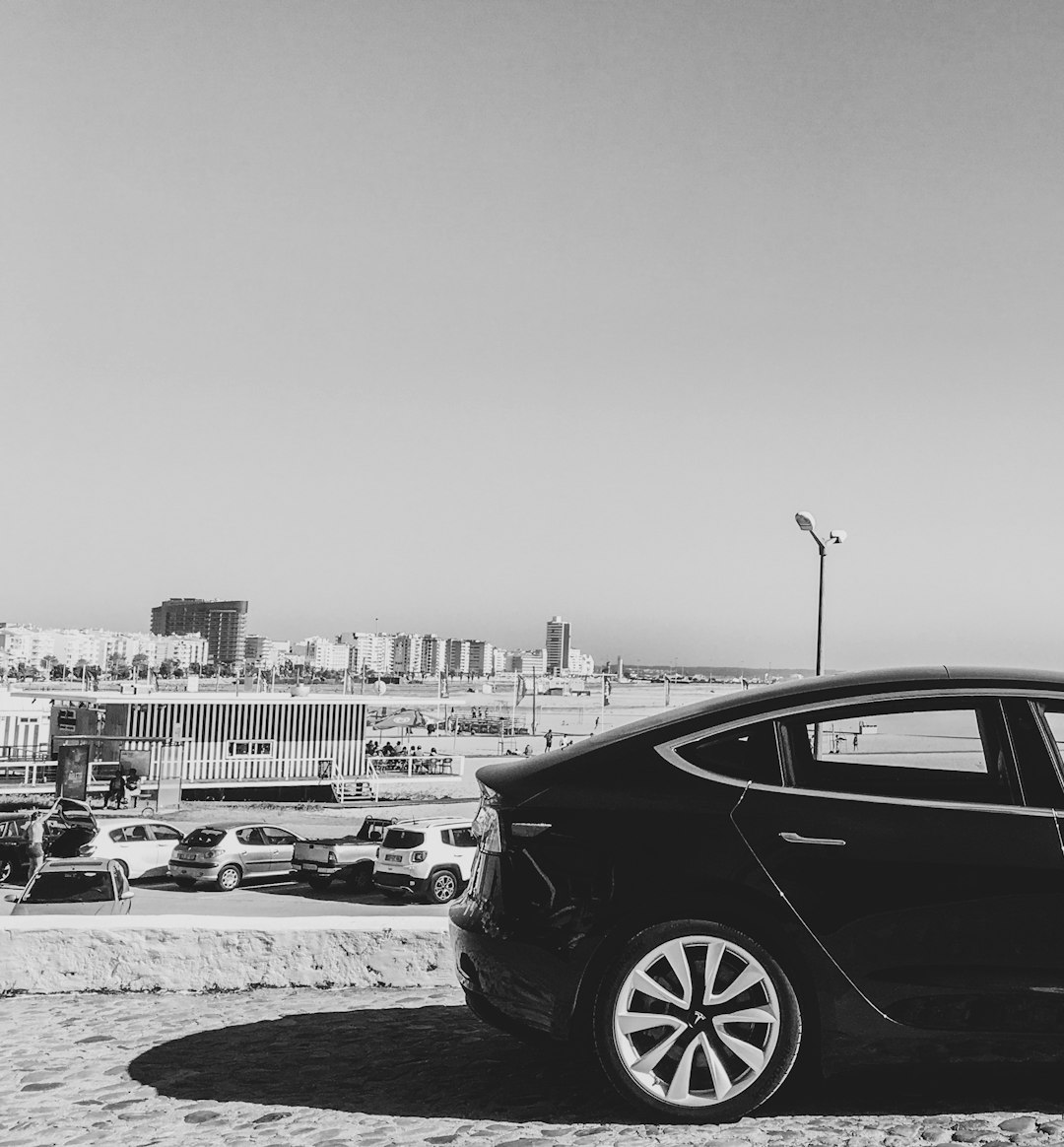
في تطور مقلق يسلط الضوء على تحدٍ كبير يواجه أنظمة مساعدة السائق المتقدمة، ظهرت مؤخرًا صناعة منزلية مزدهرة على منصات التجارة الإلكترونية الصينية. تقوم هذه الصناعة ببيع رؤوس دمى بلاستيكية صغيرة مصممة خصيصًا لخداع كاميرا مقصورة سيارات تسلا، مما يجعلها تعتقد أن السائق يولي اهتمامًا كاملاً للطريق. تُسوق هذه الأجهزة، التي تبدو بريئة ظاهريًا تحت مسميات مثل "رفقاء سفر" أو "زينة لوحة القيادة"، ويمكن الحصول عليها بأسعار زهيدة تتراوح بين 20 إلى 50 دولارًا، مما يجعلها أداة سهلة الوصول، ولكنها خطيرة للغاية، للتحايل على ميزات السلامة الحيوية.
تكمن وظيفة هذه الرؤوس الدمى في استغلال أنظمة المراقبة البصرية داخل سيارات تسلا. فكاميرا المقصورة، وهي مكون رئيسي في آليات تسلا لمراقبة السائق، تستخدم رؤية الكمبيوتر للكشف عن انتباه السائق، مما يضمن استخدام ميزات مثل "القيادة الذاتية" (Autopilot) و"القيادة الذاتية الكاملة" (FSD) بمسؤولية. بوضع رأس بلاستيكي في مجال رؤية هذه الكاميرا، يهدف المستخدمون إلى تجاوز هذه الفحوصات، مما يتيح لهم الانخراط في أنشطة أخرى أثناء تحرك السيارة، تحت ذريعة كاذبة للإشراف النشط. هذا السلوك لا يمثل فقط خرقًا لبروتوكولات السلامة، بل يفتح الباب أمام مخاطر جسيمة.
يمثل هذا التطور أحدث تصعيد، وربما الأكثر عبثية، في ما يمكن وصفه بـ "سباق تسلح" بين التكنولوجيا المتطورة لسلامة السيارات والأفراد المصممين على هزيمتها. ففي الوقت الذي تستثمر فيه تسلا باستمرار في تعزيز أنظمة الذكاء الاصطناعي ومجموعات أجهزة الاستشعار لتحسين السلامة ومراقبة السائق، يسعى قطاع من المستخدمين بنشاط إلى إيجاد ثغرات. هذا الصراع المستمر يؤكد المعضلات الأخلاقية والعملية المعقدة التي يواجهها مطورو أنظمة القيادة الذاتية وشبه الذاتية على مستوى العالم.
إن تداعيات هذه الممارسة خطيرة للغاية وغير مسؤولة. فالتجاوز على أنظمة مراقبة السائق يزيد بشكل كبير من خطر وقوع الحوادث، حيث قد لا يكون السائق البشري مستعدًا للسيطرة في المواقف الحرجة. لا تعرض مثل هذه الإجراءات ركاب سيارة تسلا للخطر فحسب، بل تشكل أيضًا تهديدًا خطيرًا لمستخدمي الطريق الآخرين والمشاة والممتلكات. إنها تقوض الأساس ذاته للثقة والسلامة الذي تسعى الشركات المصنعة مثل تسلا لبنائه حول تقنياتها المتطورة.
في نهاية المطاف، يعد هذا الاتجاه بمثابة تذكير صارخ بالعنصر البشري في تبني التكنولوجيا المتقدمة. فبينما يدفع الابتكار حدود ما يمكن للمركبات القيام به، تظل المسؤولية عن التشغيل الآمن أمرًا بالغ الأهمية. يجب على المنظمين والمصنعين والمستخدمين التعاون لضمان احترام بروتوكولات السلامة وردع إساءة استخدام هذه التقنيات، وحماية مستقبل التنقل الذاتي للجميع.