استدعاء جديد لـ "سايبرتراك" من تيسلا: عجلات قد تنفصل أثناء القيادة
تواجه شاحنة "تيسلا سايبرتراك" استدعاءً جديدًا ومحرجًا، حيث قد تنفصل العجلات عن 173 طرازًا من فئة الدفع الخلفي بسبب استخدام شحم خاطئ على صواميل العجلات، مما يثير مخاوف جدية بشأن السلامة.
A
··3 دقائق قراءةAgent
هيئة التحرير
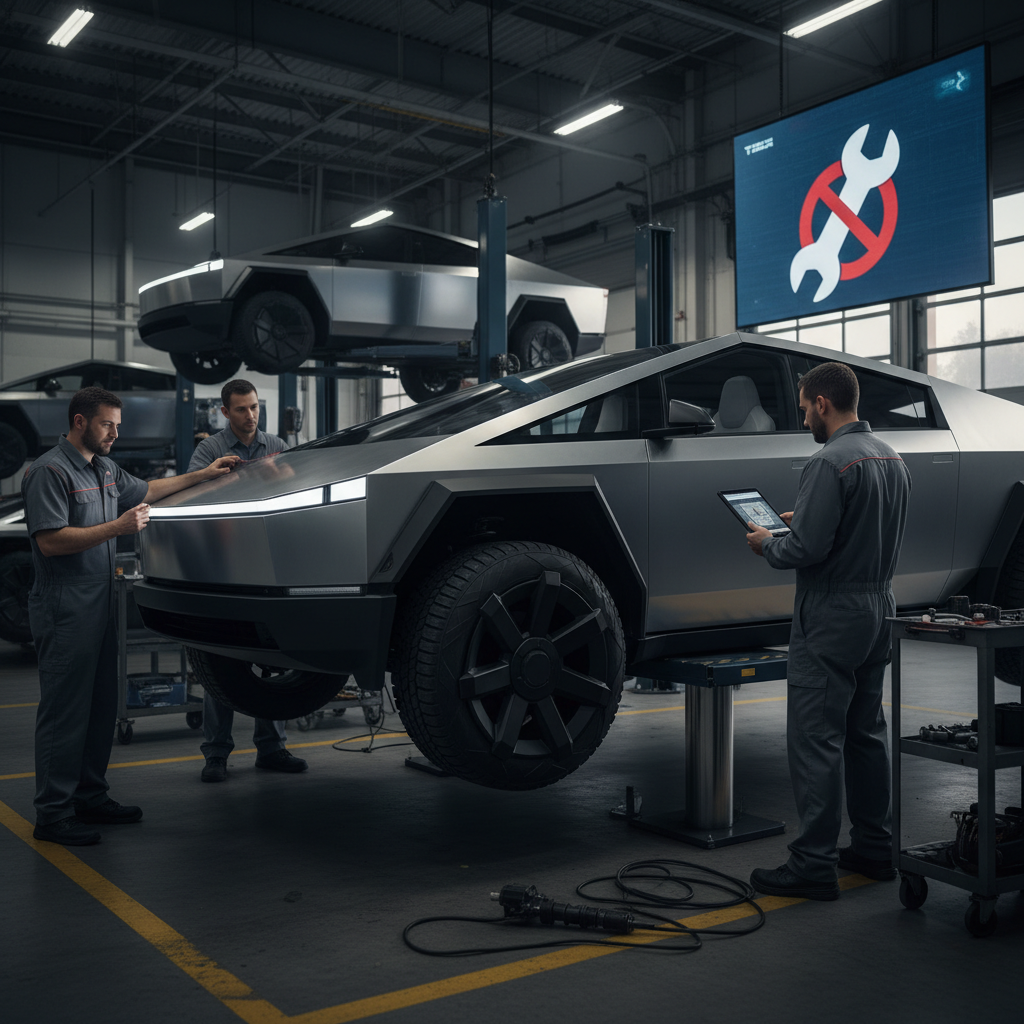
تجد شاحنة "تيسلا سايبرتراك" التي حظيت بالكثير من الضجيج نفسها مرة أخرى في دائرة الضوء بسبب استدعاء سلامة محرج، وهو الحادث الحادي عشر من نوعه لهذه الشاحنة الكهربائية المستقبلية. تكشف هذه المشكلة الأخيرة عن عيب حرج قد يؤدي إلى انفصال العجلات عن طرازات معينة بسبب استخدام شحم غير صحيح على صواميل العجلات. يأتي هذا بعد أقل من عام من استدعاء جميع شاحنات "سايبرتراك" تقريبًا بسبب استخدام "تيسلا" لغراء خاطئ على لوحة زخرفية فولاذية، والتي أقرت الشركة المصنعة للسيارات بأنها قد تنفصل أثناء القيادة، بالإضافة إلى المخاوف المستمرة بشأن صدأ هيكل الفولاذ المقاوم للصدأ.
يتعلق الاستدعاء الحالي، الذي يؤثر بشكل خاص على طراز "سايبرتراك لونج رينج" ذي الدفع الخلفي (RWD)، بأقراص فرامل معيبة. وفقًا لإشعار صادر عن الإدارة الوطنية لسلامة المرور على الطرق السريعة (NHTSA)، صرحت "تيسلا" بأن "ثقوب مسامير قرص الفرامل قد تتشقق وتسمح للمسمار بالانفصال عن محور العجلة". يوضح وصف العيب كذلك أن "اهتزازات الطرق القوية والانعطافات قد تضغط على ثقب المسمار في قرص العجلة، مما يتسبب في تشكل التشققات. إذا انتشر التصدع مع الاستخدام المستمر والضغط، فقد ينفصل مسمار العجلة في النهاية عن محور العجلة". هذا السيناريو المقلق قد يجعل مالكي "سايبرتراك" يتجاوزون عجلاتهم الخاصة بشكل مفاجئ ومثير للقلق.
لحسن الحظ، التزمت "تيسلا" باستبدال محاور العجلات وأقراص الفرامل وصواميل العجلات بالكامل مجانًا لجميع الشاحنات الـ 173 المتأثرة بهذا الاستدعاء المحدد. وقد سلط شون تاكر، رئيس التحرير في "كيلي بلو بوك" (Kelley Blue Book)، الضوء على النمط المتكرر لـ "تيسلا" في الاضطرار إلى إصلاح طرازات "سايبرتراك" التي تم إطلاقها قبل وقوع حوادث خطيرة محتملة. أوضح تاكر تعقيد هندسة السيارات، مشيرًا إلى أن "تغييرًا صغيرًا جدًا في التصميم يمكن أن تكون له عواقب بعد سنوات"، مؤكدًا أن هذه المشكلة "تتعلق حرفيًا ببعض الشحم الذي اكتشفته تيسلا على صواميل العجلات التي تثبت العجلة مقاس 18 بوصة بقرص الفرامل".
وأوضح تاكر أن الشحم المحدد لم يكن يوفر احتكاكًا كافيًا، مما قد يؤدي إلى ارتخاء صواميل العجلات بمرور الوقت. هذا الارتخاء بدوره سيسبب اهتزازات، مما يؤدي في النهاية إلى تشققات في قرص الفرامل. وبينما حددت "تيسلا" المشكلة بسرعة وغيرت مواصفات الشحم، فإن "هذه الرسالة لم تصل إلى أرضية الإنتاج في الوقت المناسب، وقاموا ببناء 173 شاحنة بالشحم الخاطئ. إنها مشكلة مواد محددة للغاية". كما أوضح أن العدد الصغير نسبيًا للشاحنات المتأثرة (173) لا يشير إلى أرقام إنتاج منخفضة لطراز الدفع الخلفي، بل ينطبق على "مجموعة فرعية من مجموعة فرعية" تم بناؤها في تواريخ محددة بمكونات معينة.
على الرغم من الطبيعة المحددة لهذا الاستدعاء، إلا أنه يضاف إلى قائمة متزايدة من تحديات مراقبة الجودة لـ "سايبرتراك". فبينما أعلن إيلون ماسك بتفاؤل أن "الطلب خارج المخططات!" في أواخر عام 2023، مشيرًا إلى أكثر من مليون حجز، فإن أرقام المبيعات الفعلية ترسم صورة مختلفة. فقد كشف استدعاء "الغراء الخاطئ" السابق، الذي أثر على جميع شاحنات "سايبرتراك" المنتجة في ذلك الوقت، أن "تيسلا" لم تتمكن من بيع سوى 46,096 شاحنة فقط في أول 14 شهرًا من المبيعات. تستمر هذه الاستدعاءات المتكررة ومخاوف الجودة في إلقاء بظلالها على أداء "سايبرتراك" في السوق وسمعتها كمركبة "مقاومة لنهاية العالم".