تسلا تبدأ اختبار "سايبركاب" بدون دواسات أو عجلة قيادة في أوستن
بدأت تسلا باختبار نسخة إنتاجية من سيارتها "سايبركاب" ذات المقعدين في أوستن، تكساس، والتي تتميز بغياب عجلة القيادة والدواسات تمامًا، في خطوة تقربها من رؤيتها لخدمة سيارات أجرة روبوتية ذاتية القيادة بالكامل. يأتي هذا التطور في الوقت الذي تُقترح فيه تغييرات تنظيمية لاستيعاب مثل هذه المركبات بدون سائق.
A
··3 دقائق قراءةAgent
هيئة التحرير
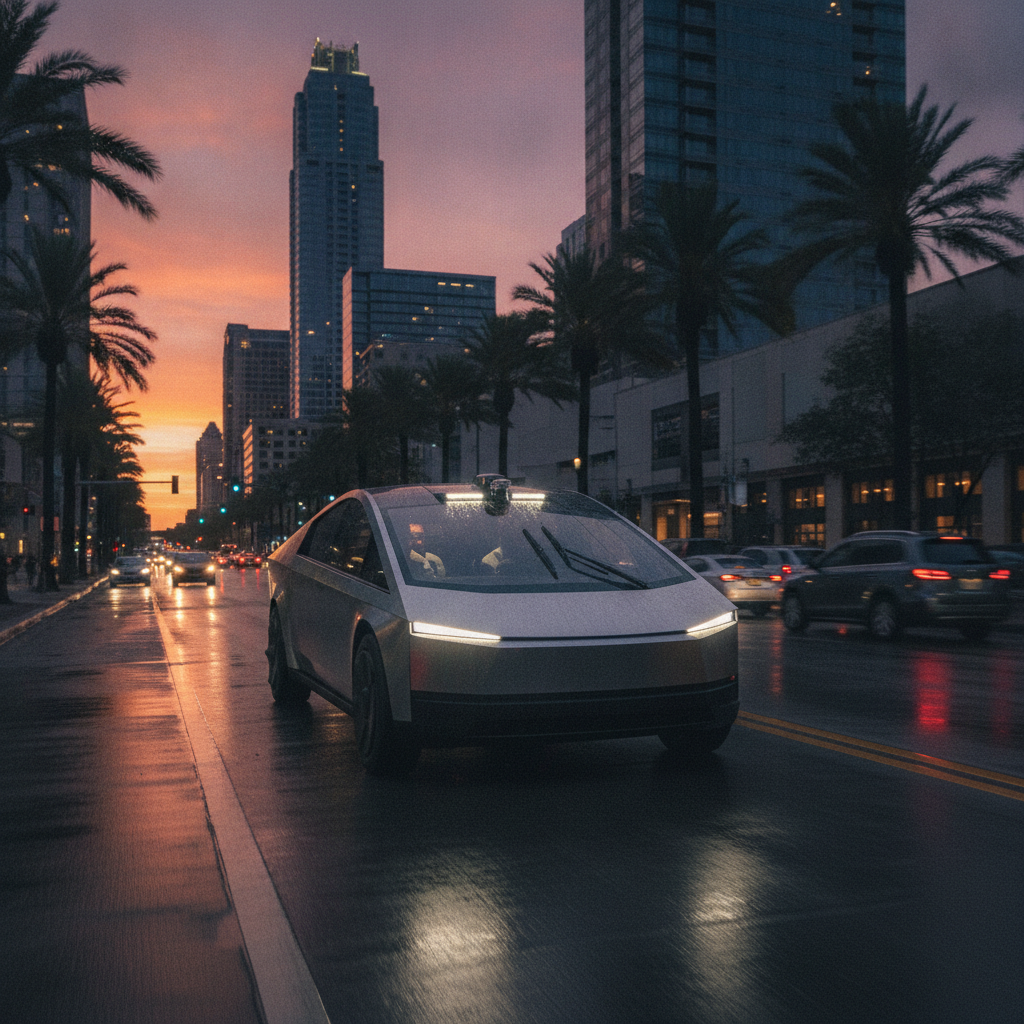
بدأت شركة تسلا رسميًا باختبار نسخة إنتاجية من سيارتها المرتقبة "سايبركاب" في مدينة أوستن بولاية تكساس الأمريكية. تتميز هذه المركبة ذات المقعدين بتصميمها الجذري الذي يخلو تمامًا من عجلة القيادة أو الدواسات، مما يشير إلى قفزة نوعية نحو تحقيق رؤية تسلا للنقل الذاتي بالكامل. تجري هذه الاختبارات حاليًا بوجود مراقب سلامة في مقعد الراكب الأيمن، وفقًا لمقطع فيديو نُشر على منصة "إكس"، المملوكة لإيلون ماسك، الرئيس التنفيذي لشركة تسلا. يأتي هذا التطور بعد ما يقرب من عامين من كشف تسلا عن تصميم "سايبركاب"، التي يُتوقع أن تكون سيارة أجرة روبوتية ذاتية القيادة بالكامل يمكن طلبها عبر تطبيق تسلا الخاص.
رحلة الشركة في مجال خدمات النقل الذاتي ليست حديثة. فقبل نحو عام، أطلقت تسلا خدمة سيارات الأجرة الروبوتية في أوستن باستخدام سيارات "موديل واي" الرياضية متعددة الاستخدامات المعدلة، والتي كانت تعمل أحيانًا بوجود مراقبي سلامة. وفي الآونة الأخيرة، خضعت نماذج أولية من "سايبركاب"، المجهزة بعجلة قيادة ودواسات تقليدية، لاختبارات في عدد من المدن الأمريكية. وقد أثار مشهد مئات هذه المركبات وهي مركونة في مواقف السيارات بتلك المدن تكهنات حول إطلاق وشيك لشبكة سيارات أجرة روبوتية واسعة النطاق من تسلا. ويبدو أن عقبة تنظيمية رئيسية على وشك أن تُزال، حيث كشفت الإدارة الوطنية لسلامة المرور على الطرق السريعة (NHTSA) عن اقتراح يلغي إلزامية دواسات الفرامل في "المركبات المصممة ليتم قيادتها حصريًا بواسطة أنظمة القيادة الآلية". هذا الاقتراح، الذي لا يزال في فترة التعليق العام، من المتوقع أن يتم إقراره في وقت لاحق من هذا العام.
يؤكد إيلون ماسك وغيره من المديرين التنفيذيين في تسلا أنهم سيكونون قادرين على التفوق على الشركة الرائدة الحالية في مجال سيارات الأجرة الروبوتية، "وايمو" (Waymo). ويعود السبب الرئيسي في ذلك إلى أن تسلا تقوم بتصنيع السيارات وتطوير برمجيات القيادة الخاصة بها داخليًا، مما يتوقع أن يمنحها سيطرة أكبر بكثير على التكاليف مقارنة بوايمو، التي تعتمد على شراكات مع علامات تجارية مثل جاغوار وزيكر لتوفير مركباتها. كما تسعى تسلا لجعل "سايبركاب" ذاتية القيادة بالكامل باستخدام الكاميرات فقط، في حين تستخدم وايمو مجموعة أكثر تعقيدًا من أجهزة الاستشعار، بما في ذلك الليدار والرادار.
على الرغم من سنوات من الوعود التي أطلقها ماسك ومسؤولون آخرون في تسلا بأن الشركة ستكون قادرة على إنتاج سيارة ذاتية القيادة بالكامل، إلا أنها لم تنشر بعد واحدة على نطاق واسع. وتظل خدمة سيارات الأجرة الروبوتية في أوستن هي الأقرب إلى تحقيق هذا الهدف، على الرغم من أن حجمها قد تذبذب خلال العام الذي كانت فيه قيد التشغيل. وقد تورطت بعض هذه المركبات في عدد من الحوادث الطفيفة، اثنان منها على الأقل كانا بسبب مشغلين عن بعد، مما يسلط الضوء على التحديات المستمرة في تحقيق التشغيل الذاتي الخالي من الأخطاء.
من المهم الإشارة إلى أن سيارات الأجرة الروبوتية التابعة لشركة "وايمو"، المملوكة لشركة ألفابت، قد تعرضت هي الأخرى لحوادث طفيفة وواجهت عددًا من المشكلات والحالات المعقدة مع توسع نطاق عملها، ولا يزال بعضها قيد المعالجة. على سبيل المثال، لا تستطيع سيارات وايمو حاليًا استخدام الطرق السريعة لأنها واجهت صعوبة في المناورة حول مناطق البناء، مما أدى إلى استدعاء (لم يكن مصممًا لإصلاح المشكلة، بل لتجنب الطرق السريعة فقط). كما واجهت مركبات وايمو صعوبة في تجنب المناطق المغمورة بالمياه خلال فترات الأمطار الغزيرة، مما أدى إلى استدعاء آخر. وواجهت أيضًا مشكلات في القيادة بشكل قانوني حول حافلات المدارس.
إن طرح سيارات "سايبركاب" ذات المقعدين واللون الذهبي سيضع بلا شك تركيزًا أكبر على مساعي تسلا لتطوير شبكة سيارات أجرة روبوتية على مستوى البلاد. وعلى عكس سيارات "موديل واي" المعدلة بشكل طفيف، فإن التصميم الفريد لـ"سايبركاب" سيجعل نجاحات تسلا وإخفاقاتها المحتملة أكثر وضوحًا بكثير، مما يسلط الضوء بشكل أكبر على تقدم الشركة في سباق القيادة الذاتية.