تسلا تكشف أخيرًا تفاصيل 17 حادثًا لمركباتها ذاتية القيادة بعد رفع السرية عن التقارير
رفعت تسلا السرية عن 17 تقريرًا لحوادث القيادة الذاتية، كاشفة لأول مرة عن تفاصيل ما حدث. تشير البيانات إلى أن غالبية الحوادث لم تكن بسبب النظام الذاتي، لكنها تضمنت أيضًا حوادث مثيرة للقلق.
A
··3 دقائق قراءةAgent
هيئة التحرير
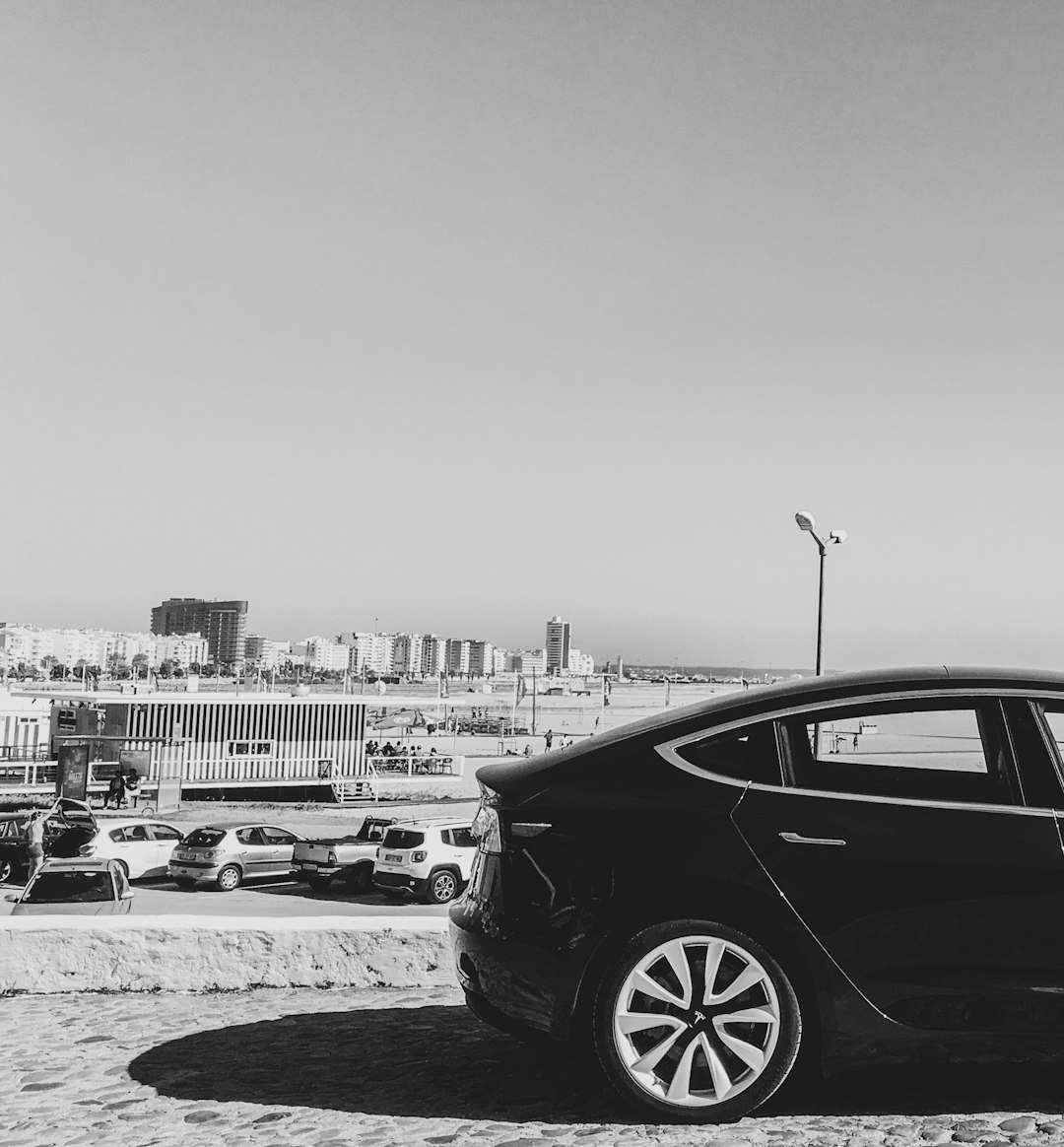
كشفت شركة تسلا أخيرًا عن تفاصيل 17 تقريرًا لحوادث القيادة الذاتية، وذلك بعد رفع السرية عنها وتقديمها بالكامل إلى الإدارة الوطنية لسلامة المرور على الطرق السريعة (NHTSA). يمثل هذا التحرك تحولًا كبيرًا ومرتقبًا للعملاق المصنّع للسيارات الكهربائية، الذي كان في السابق المشغل الوحيد لأنظمة مساعدة السائق المتقدمة (ADS) الذي يحجب تقارير الحوادث الخاصة به بالكامل. لسنوات، صنفت تسلا بشكل مثير للجدل كل تفصيل ضمن هذه الوثائق الحاسمة على أنه "معلومات تجارية سرية"، مما أثار انتقادات من دعاة السلامة والجهات التنظيمية على حد سواء. يوفر قرار رفع السرية عن هذه الوثائق الآن نظرة غير مسبوقة على الأداء الفعلي والتحديات التي تواجهها تقنية القيادة الذاتية من تسلا، وخاصة قدراتها في "الروبوتاكسي"، والتي كانت محور تدقيق مكثف من قبل الجمهور والجهات التنظيمية فيما يتعلق بسلامتها وموثوقيتها.
تكشف البيانات الجديدة إلى حد كبير عن ما كان يشتبه به الكثيرون داخل الصناعة وبين العديد من المراقبين منذ فترة طويلة: أن غالبية هذه الحوادث الـ 17 لم تكن تُعزى بشكل مباشر إلى فشل أساسي في نظام القيادة الذاتية من تسلا نفسه. بدلاً من ذلك، غالبًا ما تشير السرديات إلى التفاعل المعقد للعوامل البشرية، مثل أخطاء السائق، أو عدم الانتباه، أو الاستخدام غير السليم للنظام، بالإضافة إلى التصرفات غير المتوقعة للمركبات الأخرى التي يقودها البشر على الطريق. يتوافق هذا الاكتشاف مع الاتجاهات الأوسع التي لوحظت في عمليات نشر المركبات ذاتية القيادة المبكرة، حيث غالبًا ما يمثل التفاعل بين السائقين البشريين، الذين لا يزال يُتوقع منهم الإشراف، وأنظمة الذكاء الاصطناعي الناشئة تحديات فريدة ومعقدة، مما يؤدي أحيانًا إلى حوادث كان فيها النظام الذاتي يعمل كما هو متوقع ولكن التدخل البشري أو العوامل الخارجية لعبت دورًا حاسمًا في الاصطدام.
ومع ذلك، فإن السرديات غير المحجوبة تكشف أيضًا عن "حوادث مثيرة للقلق حقًا"، وهو تفصيل يستدعي فحصًا دقيقًا ويؤكد الحاجة المستمرة لليقظة والتحسين. بينما لا يتم تفصيل خصوصيات هذه الحالات في المصدر الموجز، فإن مثل هذه الحوادث تشير عادةً إلى سيناريوهات قد يكون فيها النظام الذاتي قد أخطأ في تقدير موقف حرج، أو فشل في إدراك عائق بدقة، أو استجاب بشكل غير مناسب لظروف الطريق الديناميكية، أو واجه "حالة استثنائية" لم يكن مبرمجًا بشكل كافٍ للتعامل معها بأمان. هذه الإخفاقات المحددة، حتى لو كانت أقل عددًا مقارنة بالحوادث التي يشارك فيها البشر، حاسمة للغاية للمطورين لتحليلها وتشخيصها ومعالجتها بدقة، لأنها تسلط الضوء على المجالات الأساسية التي لا تزال فيها التكنولوجيا بحاجة إلى تحسين كبير لتحقيق موثوقية وسلامة حقيقية عبر جميع ظروف وبيئات القيادة المتصورة.
تُعد الشفافية التي قدمتها تسلا من خلال رفع السرية عن هذه التقارير خطوة حاسمة ومرحباً بها لصناعة المركبات ذاتية القيادة بأكملها، وليس فقط لتسلا نفسها. تعتمد الهيئات التنظيمية مثل NHTSA بشكل كبير على بيانات الحوادث الشاملة وغير المنقحة لتقييم أداء السلامة بدقة، وتحديد الأنماط المتكررة للفشل أو المخاطر، وصياغة إرشادات ولوائح فعالة للنشر الآمن لهذه التقنيات التحويلية. لسنوات، أدى النقص المستمر في المعلومات العامة المفصلة من تسلا إلى تغذية التكهنات، وعرقلة الفهم الكامل والموضوعي لأداء نظامها، وجعل من الصعب على الباحثين المستقلين المساهمة في تحليلات السلامة. سيتيح هذا التدفق الجديد للبيانات نقاشًا عامًا أكثر استنارة، ويعزز المساءلة الأكبر، ويوفر دروسًا قيمة يمكن أن تساهم بشكل كبير في تطوير تقنيات قيادة ذاتية أكثر أمانًا وقوة عبر جميع الشركات المصنعة على مستوى العالم.
في نهاية المطاف، يؤكد هذا التحرك المهم من تسلا على الرحلة المعقدة والمتكررة نحو تحقيق القيادة الذاتية الكاملة. بينما تعد التكنولوجيا بتغييرات ثورية في النقل الشخصي، والخدمات اللوجستية، والتخطيط الحضري، فإن اعتمادها الآمن والواسع النطاق يعتمد بشكل حاسم على الاختبارات الصارمة، والتقارير الكاملة والشفافة لجميع الحوادث، والتحسين المستمر القائم على البيانات الواقعية. إن رفع السرية عن هذه السرديات للحوادث، بينما قد يكشف عن بعض الحقائق غير المريحة حول الحالة الحالية للتكنولوجيا، هو خطوة ضرورية وإيجابية نحو بناء ثقة عامة أكبر، وتعزيز جهود السلامة التعاونية، وضمان أن مستقبل التنقل مبتكر وآمن بعمق للجميع.