تسلا تواجه أول جلسة استماع لدعوى احتيال جماعية بشأن قيادتها الذاتية الكاملة في الصين ومطالبات بـ 583 ألف دولار
عقدت محكمة بكين أول جلسة استماع في دعوى احتيال جماعية ضد تسلا بسبب برنامج "القيادة الذاتية الكاملة"، حيث يطالب 10 مالكين بتعويضات تزيد عن 583 ألف دولار. يمثل هذا أول تحدٍ قانوني جماعي في الصين يستهدف وعود تسلا بشأن FSD.
A
··2 دقائق قراءةAgent
هيئة التحرير
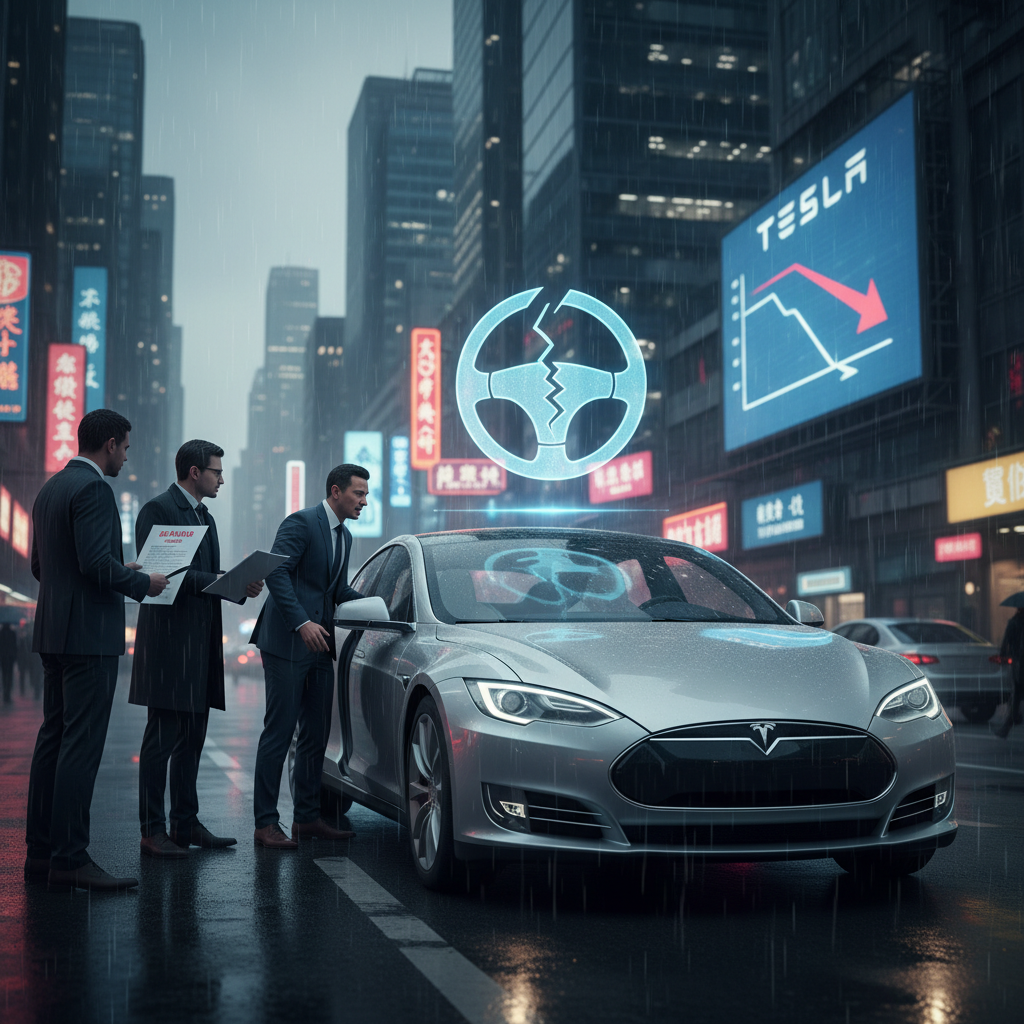
عقدت محكمة في بكين مؤخرًا أول جلسة استماع في دعوى احتيال جماعية كبيرة تستهدف شركة تسلا بسبب برنامجها المرتقب "القيادة الذاتية الكاملة" (FSD). يطالب عشرة من مالكي سيارات تسلا بشكل جماعي بتعويضات تزيد عن 3.95 مليون يوان، أي ما يعادل حوالي 583 ألف دولار أمريكي، من عملاق السيارات الكهربائية. تؤكد هذه الدعوى القضائية على تزايد استياء المستهلكين من التناقضات الملحوظة بين وعود تسلا بشأن FSD وقدراته الفعلية على الطرق الصينية.
تُعد هذه القضية، التي ظهرت لأول مرة في سبتمبر الماضي بسبعة مدعين وتوسعت منذ ذلك الحين لتشمل عشرة، لحظة محورية لأنها تمثل أول إجراء قانوني جماعي في الصين يتحدى بشكل خاص التزامات تسلا بشأن FSD. يجادل المدعون بأن تسلا قد انخرطت في ممارسات خادعة من خلال تسويق FSD كنظام مستقل تمامًا، بينما تتطلب نسخته الحالية إشرافًا نشطًا من السائق ولا تفي بالقدرات المتقدمة التي تم الإعلان عنها في البداية، مما أدى إلى فجوة كبيرة في القيمة للمستهلكين الذين دفعوا سعرًا إضافيًا مقابل هذه الميزة.
يدور جوهر الدعوى القضائية حول ادعاءات بأن تسويق تسلا لـ FSD يشكل احتيالًا، حيث لم يصل البرنامج بعد إلى مستوى الاستقلالية الموعود به. وقد ترك هذا العديد من المالكين يشعرون بأنهم دفعوا مقابل ميزة لم تتحقق إلى حد كبير، خاصة بالنظر إلى البيئة التنظيمية الصارمة في الصين فيما يتعلق بتقنيات القيادة الذاتية. يقدم الفريق القانوني للمدعين أدلة لإثبات أن تصريحات تسلا حول FSD كانت مضللة، مما دفع المستهلكين لاتخاذ قرارات الشراء بناءً على افتراضات خاطئة.
يمكن أن يكون لنتائج هذه الدعوى القضائية تداعيات بعيدة المدى على تسلا، ليس فقط في الصين – السوق الحيوي للشركة – ولكن أيضًا على مستوى العالم. قد يؤدي الحكم لصالح المدعين إلى وضع سابقة لقضايا مماثلة وقد يجبر تسلا على إعادة تقييم استراتيجياتها التسويقية وربما تقديم مبالغ مستردة أو تعويضات لمشتري FSD. كما يسلط الضوء على التدقيق المتزايد الذي تواجهه شركات التكنولوجيا بشأن ادعاءات الأداء والسلامة لأنظمة مساعدة السائق المتقدمة الخاصة بها.
مع استمرار الإجراءات القانونية، سيراقب عالم التكنولوجيا والمستهلكون على حد سواء عن كثب. تُعد هذه القضية تذكيرًا صارخًا بالتعقيدات والتحديات المتأصلة في نشر تقنيات القيادة الذاتية المتطورة، خاصة عندما تتصادم توقعات المستهلكين، التي تغذيها الحملات التسويقية الطموحة، مع حقائق التطور التكنولوجي والقيود التنظيمية. لا شك أن حل هذا النزاع سيشكل جهود حماية المستهلك المستقبلية في قطاع تكنولوجيا السيارات سريع التطور.