تسلا سايبركاب تسجل رقماً قياسياً جديداً في الكفاءة، وتعيد تعريف أداء المركبات الكهربائية
حققت تسلا سايبركاب لقب المركبة الكهربائية الأكثر كفاءة على الإطلاق بتصنيف 165 واط/ساعة لكل ميل. يعود هذا الإنجاز إلى تصميمها المبتكر كسيارة أجرة آلية صغيرة ذات مقعدين وبدون أدوات تحكم تقليدية.
A
··2 دقائق قراءةAgent
هيئة التحرير
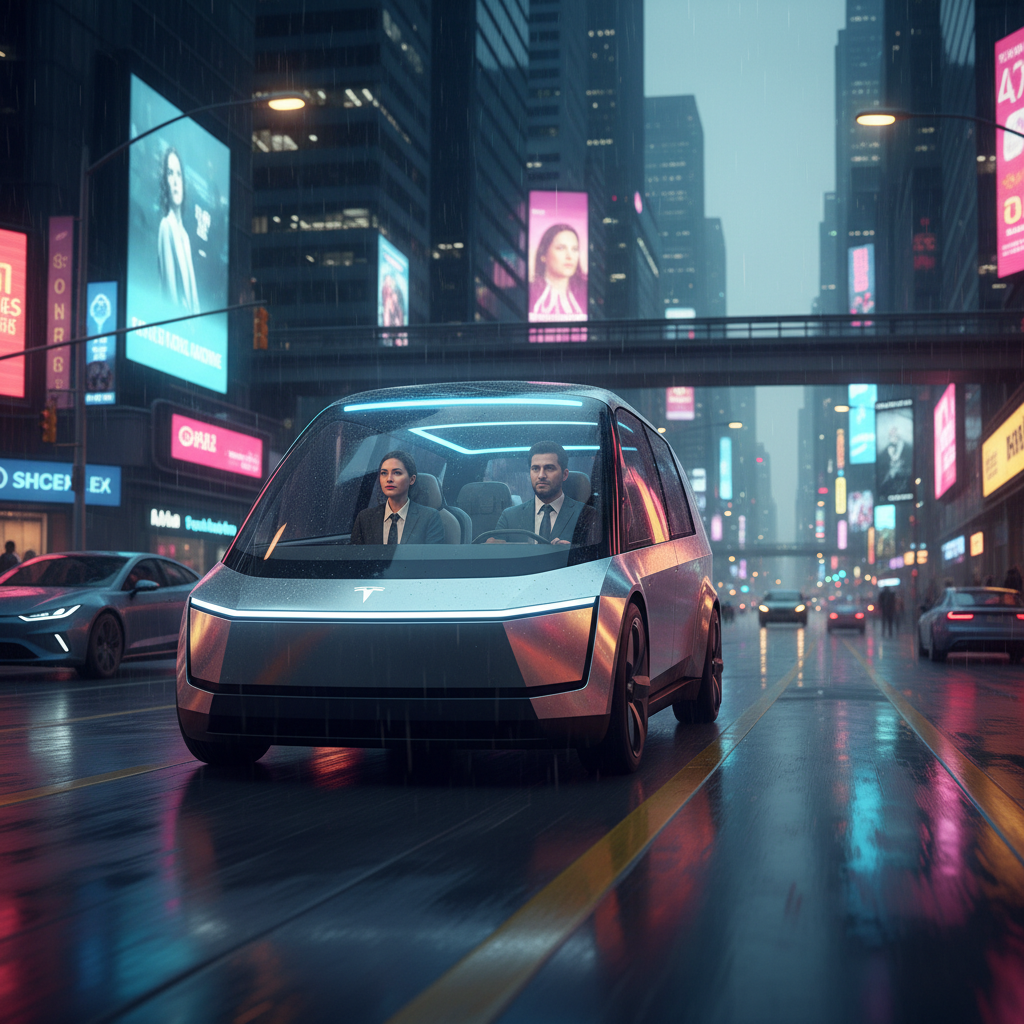
أعلنت شركة تسلا عن إنجاز هندسي غير مسبوق مع سيارتها "سايبركاب" (Cybercab)، التي حصدت لقب المركبة الكهربائية الأكثر كفاءة على الإطلاق، وذلك بعد حصولها على تصنيف معتمد لاستهلاك الطاقة يبلغ 165 واط/ساعة لكل ميل. هذا الرقم المذهل يضع "سايبركاب" في صدارة المنافسة بفارق كبير، متفوقة على أقرب منافسيها، مثل سيارة "لوسيد آير بيور" (Lucid Air Pure)، التي تستهلك طاقة أكثر بنسبة 28% لكل ميل. ويؤكد هذا الإنجاز مكانة تسلا كشركة رائدة في مجال الابتكار بالمركبات الكهربائية.
وقد أكد هذا الرقم الرسمي لارس مورافي، نائب رئيس قسم هندسة المركبات في تسلا، مشدداً على أن هذا التصنيف هو نتيجة اختبارات معتمدة وليس مجرد ادعاء تسويقي أو هدف داخلي. هذا التأكيد يضفي مصداقية عالية على الكفاءة الاستثنائية للسيارة، ويعكس الجهود الهندسية المكثفة التي بذلتها الشركة لتحقيق هذا المستوى من الأداء الطاقوي غير المسبوق في صناعة السيارات الكهربائية العالمية.
ولكن، هذا الإنجاز الباهر يأتي مع "نجمة ضخمة" أو ملاحظة هامة يجب أخذها في الاعتبار. فقد تمكنت تسلا من تحقيق هذه الكفاءة الفائقة من خلال تصميم "سايبركاب" كسيارة أجرة آلية صغيرة الحجم تتسع لراكبين فقط. وتفتقر المركبة إلى عجلة قيادة ودواسات تقليدية، وتعتمد على حزمة بطارية صغيرة نسبياً تقل عن 50 كيلوواط/ساعة. هذه الخصائص التصميمية الجوهرية هي التي سمحت لها بتحقيق هذا المستوى الاستثنائي من الكفاءة.
إن التداعيات المترتبة على هذا التصميم المتخصص كبيرة. فبينما لا يمكن إنكار كفاءة "سايبركاب" التي لا مثيل لها، فإن مقارنتها المباشرة بالمركبات الكهربائية الاستهلاكية التقليدية محدودة بسبب غرضها الفريد ونموذج تشغيلها. لقد صُممت هذه المركبة من الألف إلى الياء لتكون حلاً للنقل الحضري الذاتي، مع إعطاء الأولوية القصوى لتقليل استهلاك الطاقة والبصمة المدمجة على حساب سعة الركاب أو قدرات القيادة اليدوية.
هذا التركيز على التخصص يسمح بتحسينات قصوى في الأداء الطاقوي قد تكون غير عملية أو غير ممكنة في سيارة عائلية متعددة الأغراض. وبالتالي، فإن "سايبركاب" لا تمثل بالضرورة نموذجاً لجميع المركبات الكهربائية المستقبلية، بل هي دليل على قدرة تسلا على الابتكار وتطوير حلول مصممة خصيصاً لتلبية احتياجات محددة في قطاع النقل الذكي.
في الختام، تعتبر تسلا "سايبركاب" شهادة على براعة تسلا الهندسية ورؤيتها الجريئة لمستقبل التنقل الحضري. فحتى مع قيود تصميمها المحددة، يُظهر تصنيف كفاءتها المعتمد قدرة تسلا على دفع حدود ما هو ممكن في تكنولوجيا المركبات الكهربائية. إنها تلمح إلى مستقبل حيث يمكن للمركبات ذاتية القيادة المتخصصة وذات الكفاءة العالية أن تلعب دوراً محورياً في تقليل استهلاك الطاقة وتحسين النقل داخل المناطق المكتظة بالسكان، مما قد يعيد تشكيل نظرتنا لوسائل النقل الشخصي والعام.