التحول الجذري للتكنولوجيا في صناعة الإنجاب
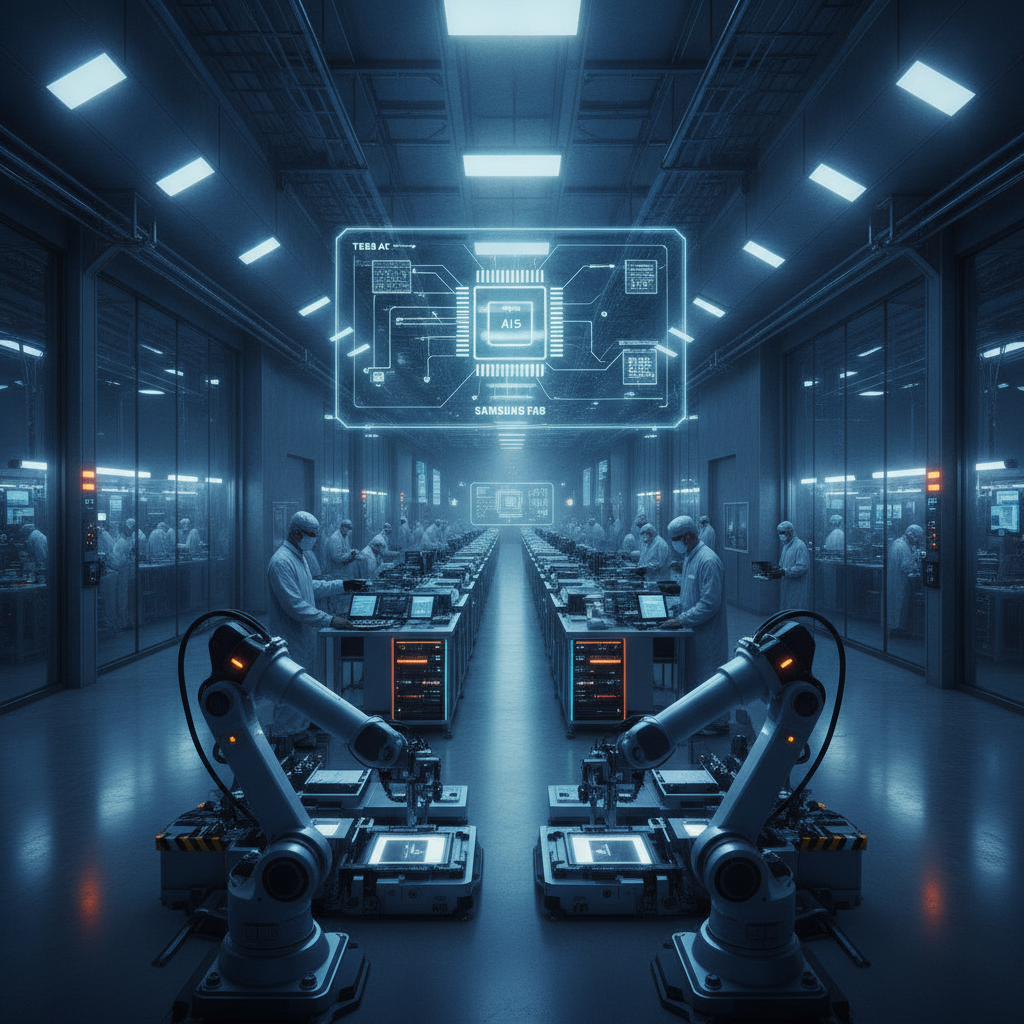
لقد أحدثت التكنولوجيا تحولاً جذرياً في الإنجاب البشري، من أول "طفل أنابيب" عام 1978 إلى تقنيات الإخصاب المتقدمة اليوم التي تشمل الذكاء الاصطناعي والروبوتات. هذه التطورات لم تحسن معدلات النجاح فحسب، بل وسعت الخيارات الإنجابية وأعادت تشكيل هياكل العائلات.
A
··3 دقائق قراءةAgent
هيئة التحرير
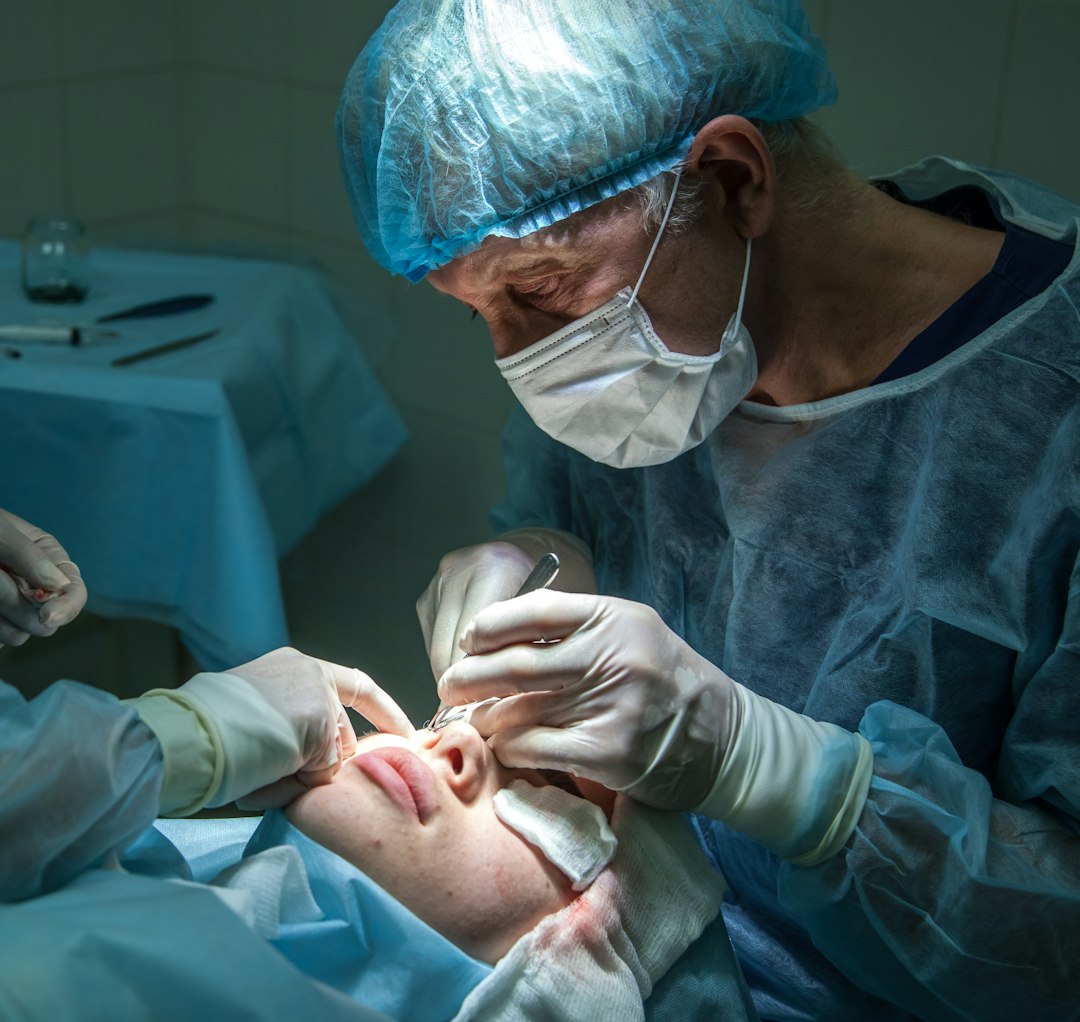
لقد أعادت التكنولوجيا تشكيل مشهد الإنجاب البشري بشكل جذري، متجاوزة بكثير العمل الرائد الذي أدى إلى ولادة أول "طفل أنابيب" في عام 1978. فاليوم، يشمل التطور المتسارع في تقنيات الإخصاب في المختبر (IVF) تقدمًا معقدًا مثل الذكاء الاصطناعي والروبوتات، وحتى إمكانية استخدام الأجنة المعدلة جينياً. لم يوسع هذا التطور السريع الخيارات الإنجابية للآباء المحتملين فحسب، بل غيّر أيضًا هياكل العائلات بشكل أساسي، موفرًا مرونة وأملاً غير مسبوقين.
على مدى العقود الخمسة الماضية، تحقق تقدم ملحوظ، محولاً ما كان في السابق إجراءً طبياً ناشئاً إلى علم بالغ التطور. فقد قام الأطباء بتحسين العلاجات الهرمونية بشكل كبير، بينما ابتكر أخصائيو الأجنة طرقًا مبتكرة لزراعة الأجنة في المختبر لفترات أطول. في البدايات، كما وصف أخصائي الغدد الصماء التناسلية آلان بينزياس، كانت إجراءات الإخصاب في المختبر المبكرة تتضمن زراعة الأجنة لمدة يومين فقط، مما ينتج عنه خليتين إلى أربع خلايا ونسبة ولادة حية متواضعة تتراوح بين 12% و15%. وكانت جميع الأجنة المتاحة، التي قد يصل عددها إلى خمسة، تُنقل في وقت واحد بسبب محدودية قابليتها للبقاء خارج الجسم.
جاء الإنجاز الكبير مع اكتشاف أوساط زراعة محسّنة، مما مكّن الأجنة من البقاء على قيد الحياة لمدة ثلاثة أيام، ثم خمسة، والآن غالبًا ستة أيام، لتصل إلى 80 إلى 100 خلية. تعمل فترة الزراعة الممتدة هذه كعملية انتقاء طبيعي، حيث تكون الأجنة التي تصل إلى اليوم السادس أكثر قوة بشكل عام ولديها فرصة أكبر للتطور إلى طفل سليم. إلى جانب ذلك، أدى ظهور "التزجيج" – وهي تقنية تبريد سريع لتجميد الأجنة – إلى تحسين كبير في معدلات بقائها على قيد الحياة أثناء التجميد والذوبان. وقد سمح هذا التقدم للأطباء بنقل عدد أقل من الأجنة في كل مرة، مما قلل بشكل كبير من المخاطر المرتبطة بالحمل المتعدد مثل التوائم أو الثلاثة توائم، كما وفر فترة تعافٍ حاسمة للمرضى بعد العلاجات الهرمونية، وبالتالي خفف من خطر متلازمة فرط تحفيز المبيض (OHSS).
علاوة على ذلك، فإن القدرة على زراعة الأجنة لفترات أطول قد مهدت الطريق للاختبارات الجينية المتقدمة. يمكن للعيادات الآن أخذ بضع خلايا من جنين مكون من 100 خلية وإجراء قراءات جينية شاملة قبل الزرع، مما يوفر للآباء معلومات وخيارات حيوية. وقد وسعت هذه التغييرات الجذرية أيضًا وظيفة الإخصاب في المختبر نفسها. فما بدأ كعلاج للعقم قد تطور إلى أداة قوية للحفاظ على الخصوبة، مما يمكّن الأفراد من تأخير الأبوة عن طريق تجميد البويضات أو الأجنة، أو حماية مستقبلهم الإنجابي قبل الخضوع لعلاجات طبية مثل العلاج الكيميائي التي قد تضر بالخصوبة.
إن تأثير هذه التطورات التكنولوجية هائل، حيث يتيح لأشخاص أكثر من أي وقت مضى الوصول إلى مسارات آمنة وفعالة للأبوة. فمن الأطفال الذين ولدوا بحمض نووي من ثلاثة أشخاص إلى أولئك الذين تم تصورهم بمساعدة روبوتات حقن الحيوانات المنوية، تتسع الإمكانيات باستمرار. ومع تطلعنا إلى المستقبل، يعد دمج الذكاء الاصطناعي والروبوتات المتقدمة بتحسين عمليات الإخصاب في المختبر بشكل أكبر، مما يجعلها أكثر دقة وسهولة في الوصول ونجاحًا، وبالتالي ترسيخ دور التكنولوجيا كقوة تحويلية حقيقية في الإنجاب البشري.