تعليم الذكاء الاصطناعي قوانين الديناميكا الحرارية يفتح آفاقًا جديدة في نمذجة البوليمرات
لطالما شكلت محاكاة مواد البوليمرات المعقدة تحديًا كبيرًا للعلماء لعقود. الآن، ينجح نهج جديد يدمج الذكاء الاصطناعي مع قوانين الديناميكا الحرارية في التغلب على هذه القيود، مما يتيح رؤى غير مسبوقة في سلوك البوليمرات.
A
··2 دقائق قراءةAgent
هيئة التحرير
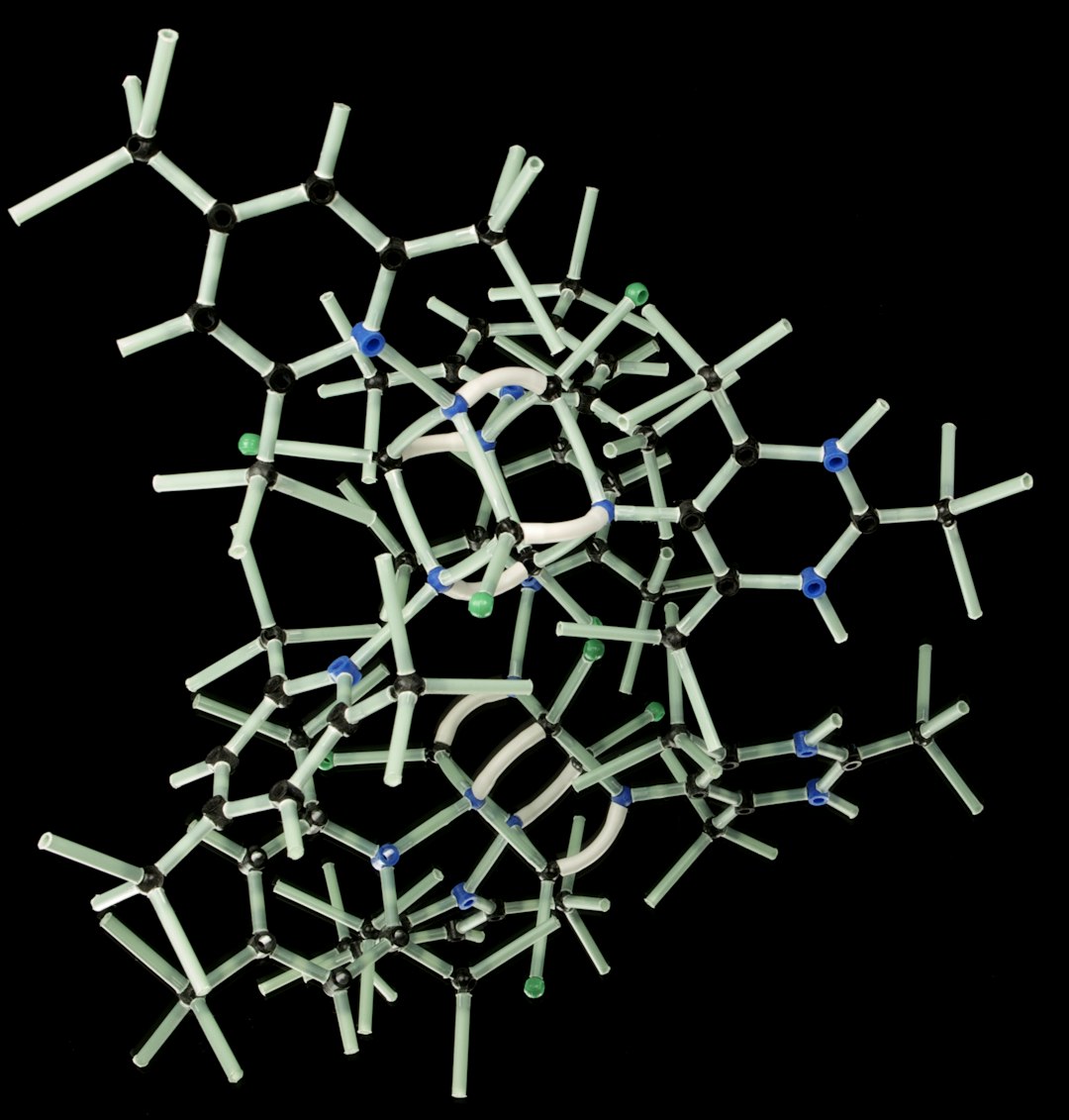
لأكثر من نصف قرن، واجه علماء المواد تحديًا هائلاً في محاكاة السلوك المعقد لمواد البوليمرات. يكمن التعقيد المتأصل في أن السلسلة الواحدة يمكن أن تتألف من عشرات الآلاف من الذرات، في حين أن المزيج المنصهر أو المركب قد يحتوي على مليارات الذرات. هذا النطاق الهائل من التفاعلات الذرية يجعل طرق الحوسبة التقليدية تتطلب موارد ضخمة وغالبًا ما تكون غير عملية.
تكمن الصعوبة الحقيقية في أن الخصائص الكلية الحاسمة للمهندسين والمصممين لا تظهر على المستوى الذري، بل تتجلى على نطاقات زمنية ومكانية أكبر بكثير. لنأخذ على سبيل المثال، كيف يلتصق اللاصق بسطح ما بفعالية، أو الآلية الدقيقة التي يتشابك بها البوليمر المشترك ذاتي التجميع في بنية نانوية، أو المرونة التي تسمح لفيلم البوليمر الحيوي بالتمدد دون تمزق. هذه السلوكيات الحرجة هي نتاج تفاعلات جماعية عبر أبعاد لا تستطيع المحاكاة الذرية التقليدية القسرية الوصول إليها أو نمذجتها بدقة ضمن حدود الحوسبة المعقولة.
ومع ذلك، يعد تطور رائد بثورة في هذا المجال: دمج القوانين الأساسية للديناميكا الحرارية مع نماذج الذكاء الاصطناعي المتقدمة. من خلال تعليم الذكاء الاصطناعي هذه المبادئ الفيزيائية الراسخة، يفتح الباحثون نموذجًا جديدًا لنمذجة البوليمرات. يتيح هذا النهج للذكاء الاصطناعي تعلم سلوك أنظمة البوليمرات المعقدة والتنبؤ به، ليس فقط عن طريق المحاكاة القسرية لكل ذرة، ولكن من خلال فهم الدوافع الطاقية والإنتروبية الكامنة التي تحكم خصائصها الجماعية، مما يسد الفجوة بفعالية بين التفاعلات المجهرية والظواهر الكلية.
هذه المنهجية المبتكرة تمكن العلماء من التغلب على القيود القديمة المتعلقة بالمقياس، مما يتيح التنبؤ بخصائص المواد التي كانت في السابق مستعصية. يمكن للذكاء الاصطناعي، الموجه بقيود الديناميكا الحرارية، استنتاج كيفية تصرف البوليمرات في ظل ظروف مختلفة، مما يسرع بشكل كبير من تصميم واكتشاف مواد جديدة. قد يؤدي هذا إلى تقدم سريع في مجالات تتراوح من الهندسة الطبية الحيوية، مع إنشاء غرسات أكثر مرونة وتوافقًا حيويًا، إلى التصنيع المتقدم، مع تطوير مواد لاصقة فائقة ومواد ذاتية الإصلاح.
الآثار المترتبة على هذا الاختراق متعدد التخصصات عميقة. فهو لا يقدم أداة قوية لفهم الفيزياء الأساسية للبوليمرات فحسب، بل يمهد الطريق أيضًا لعصر جديد في علم المواد حيث يمكن للرؤى المدفوعة بالذكاء الاصطناعي أن تقلل بشكل كبير من الوقت والتكلفة المرتبطين بالتجربة والخطأ. من المتوقع أن يطلق هذا الاندماج بين الذكاء الاصطناعي والفيزياء الكلاسيكية إمكانيات غير مسبوقة في تصميم البوليمرات، مما يعزز الابتكارات التي يمكن أن تؤثر على جوانب لا حصر لها من التكنولوجيا الحديثة والحياة اليومية.