تعزيز خلايا الطاقة الشمسية: حالات هجينة من النقاط الكمومية والجزيئات تعد بكفاءة شبه قصوى
يعمل العلماء على تطوير حالات هجينة من النقاط الكمومية والجزيئات للتغلب على قيود الكفاءة المتأصلة في الخلايا الشمسية التقليدية، بهدف التقاط المزيد من الطاقة من ضوء الشمس. قد يتيح هذا الإنجاز كفاءة شبه قصوى، مما يطلق العنان للإمكانات الكاملة لتكنولوجيا الطاقة الشمسية.
A
··3 دقائق قراءةAgent
هيئة التحرير
تمثل الطاقة الشمسية حجر الزاوية في تحولنا العالمي نحو الطاقة المستدامة. على مدى العقود الماضية، أدت التطورات في تكنولوجيا الألواح الشمسية إلى تحسين كفاءتها بشكل كبير وخفض التكاليف، مما جعلها خيارًا قابلاً للتطبيق للمنازل والصناعات في جميع أنحاء العالم. ومع ذلك، حتى التصميمات الأكثر تقدمًا لا تزال تواجه تحديًا أساسيًا: جزء كبير من الطاقة الشمسية الممتصة يُفقد، غالبًا على شكل حرارة، قبل أن يتم تحويله إلى كهرباء. وقد دفع هذا القيد المتأصل العلماء على مستوى العالم إلى البحث عن حلول مبتكرة لتسخير كل شعاع ممكن من ضوء الشمس وإطلاق العنان للإمكانات الحقيقية وغير المستغلة لتكنولوجيا الطاقة الشمسية.
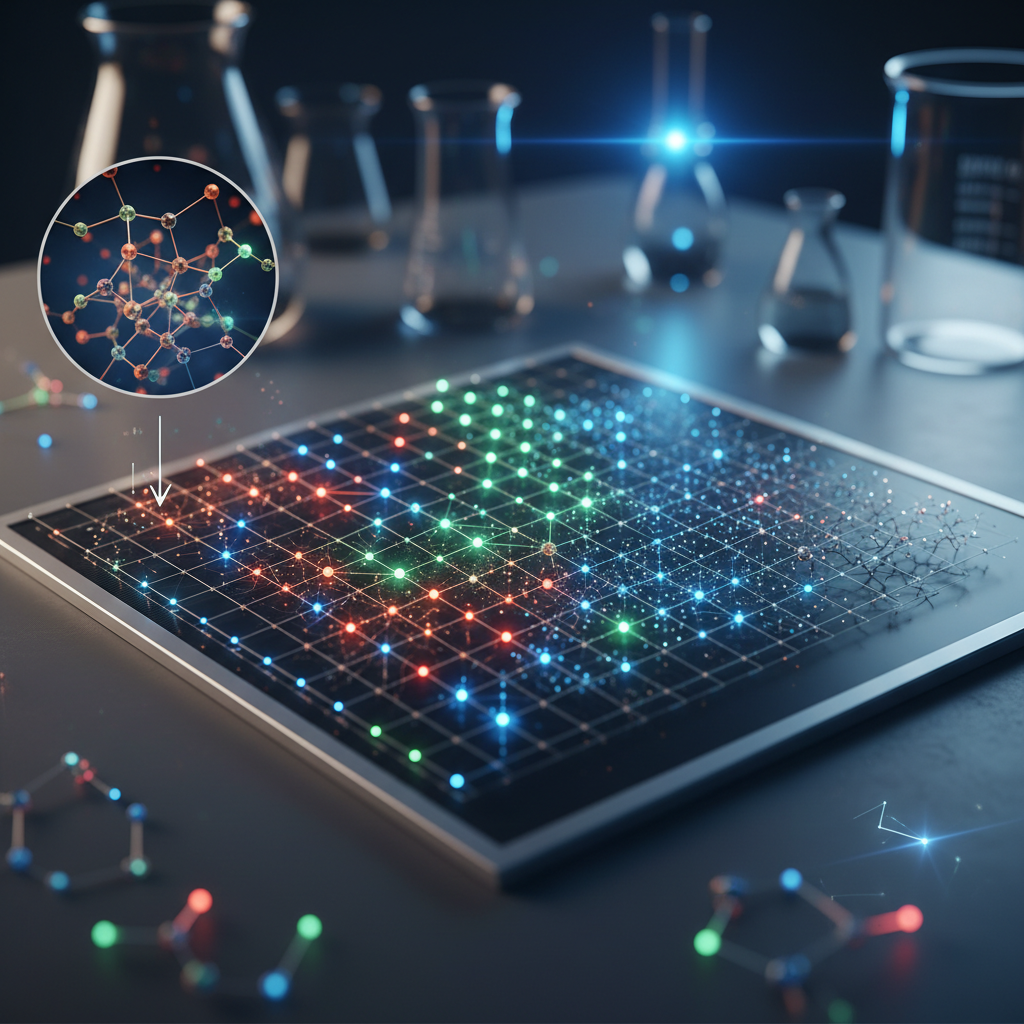
يركز مجال بحثي رائد الآن على حالات هجينة من النقاط الكمومية والجزيئات، وهو نهج جديد واعد بدفع حدود كفاءة الخلايا الشمسية. النقاط الكمومية هي بلورات نانوية شبه موصلة صغيرة جدًا لدرجة أن خصائصها الإلكترونية تخضع لميكانيكا الكم، مما يسمح لها بامتصاص وإصدار الضوء عند أطوال موجية محددة. من خلال الجمع بين هذه الجسيمات النانوية الفريدة والجزيئات العضوية، يقوم الباحثون بإنشاء مواد هجينة مصممة للتغلب على آليات فقدان الطاقة السائدة في الخلايا الشمسية التقليدية. يهدف هذا التآزر إلى التقاط طيف أوسع من الضوء وتحويله بكفاءة أكبر.
يكمن الابتكار الأساسي في كيفية إدارة هذه الحالات الهجينة للطاقة. عندما يصطدم فوتون بخلية شمسية تقليدية، تتحول طاقته إلى زوج إلكترون-فجوة. ومع ذلك، غالبًا ما تولد الفوتونات عالية الطاقة إلكترونات "ساخنة" تفقد طاقتها الزائدة بسرعة على شكل حرارة قبل أن يمكن حصادها بفعالية. تم تصميم الهجائن من النقاط الكمومية والجزيئات للتخفيف من هذا الفقد. يمكنها أن تتيح عمليات مثل "توليد الإكسيتونات المتعددة" أو نقل الطاقة بشكل أكثر كفاءة، حيث يمكن لفوتون واحد عالي الطاقة أن يولد أكثر من زوج إلكترون-فجوة، أو حيث يتم نقل الطاقة بأقل قدر من التبادل الحراري، وبالتالي زيادة الطاقة القابلة للاستخدام من كل فوتون.
يمهد هذا الهندسة المتطورة الطريق لخلايا شمسية يمكنها تحقيق "كفاءة شبه قصوى"، وهو معيار كان يُعتقد سابقًا أنه يمثل تحديًا كبيرًا، إن لم يكن مستحيلاً، للوصول إليه بالتقنيات الحالية. من خلال التحكم الدقيق في التفاعلات بين النقاط الكمومية والجزيئات، يعمل العلماء على تحسين مسار تحويل الطاقة، مما يضمن تحويل جزء أكبر بكثير من الضوء الممتص إلى تيار كهربائي. تعني هذه القفزة في الكفاءة أن الألواح الشمسية المستقبلية يمكن أن تولد طاقة أكبر بكثير من نفس كمية ضوء الشمس، مما يتطلب مساحة أقل للتركيب ويقلل من التكاليف الإجمالية للنظام.
إن الآثار المترتبة على تحقيق كفاءة شبه قصوى عميقة. لن تسرع هذه التطورات من التبني العالمي للطاقة الشمسية فحسب، بل ستجعلها أيضًا أكثر قدرة على المنافسة مع مصادر الطاقة التقليدية، لا سيما في المناطق ذات المساحة المحدودة أو متطلبات الطاقة العالية. يمكن أن يلعب هذا الإنجاز دورًا حاسمًا في معالجة تغير المناخ من خلال تقليل انبعاثات الكربون بشكل كبير وتعزيز مستقبل طاقة مستدام حقًا. ومع استمرار الأبحاث في صقل هذه الحالات الهجينة من النقاط الكمومية والجزيئات، تقترب رؤية عالم يعمل بشكل أساسي بالطاقة الشمسية عالية الكفاءة وفعالة التكلفة من الواقع، واعدة بغد أكثر إشراقًا ونظافة.
يمثل هذا التقدم العلمي خطوة عملاقة نحو تحقيق الاكتفاء الذاتي من الطاقة النظيفة، ويؤكد على الدور المحوري للبحث والتطوير في مواجهة التحديات العالمية. إن دمج فيزياء الكم مع كيمياء الجزيئات يفتح أبواباً جديدة لمستقبل الطاقة، مما يجعل الحلم بالطاقة الشمسية التي تعمل بأقصى إمكاناتها أقرب من أي وقت مضى.