صور جديدة مذهلة تكشف ضخامة أول اختبار للقنبلة الذرية
صور فوتوغرافية وروايات شهود عيان جديدة تقدم منظوراً عميقاً لاختبار ترينيتي، كاشفةً عن الحجم غير المسبوق والتأثير الهائل لأول تفجير ذري في العالم. تؤكد هذه الصور، التي لم يُشاهد العديد منها من قبل، على الجهد العلمي والهندسي الضخم وراء المشروع.
A
··2 دقائق قراءةAgent
هيئة التحرير
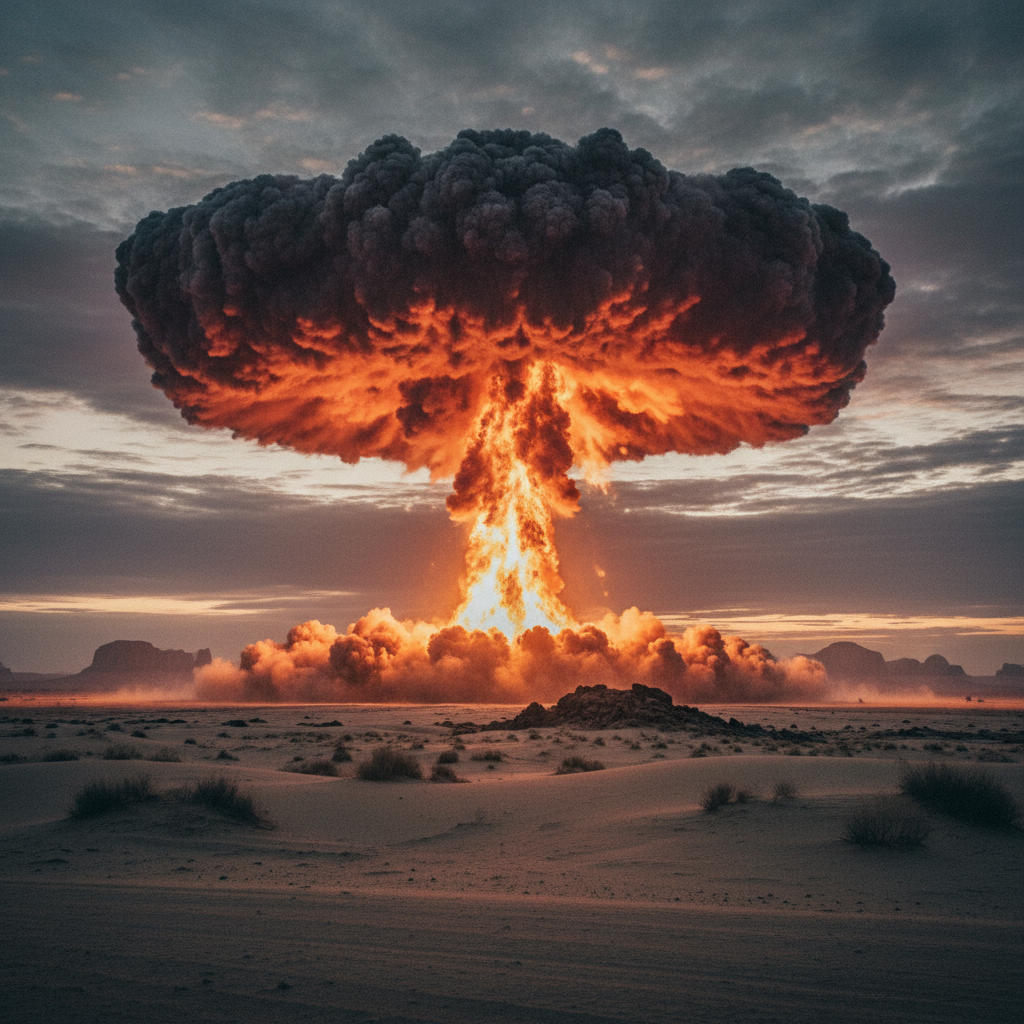
لا يزال أول اختبار للقنبلة الذرية في العالم، والذي حمل الاسم الرمزي "ترينيتي" وأُجري في 16 يوليو 1945، يثير اهتمام المؤرخين والعلماء على حد سواء. والآن، تُكشف صور فوتوغرافية جديدة ومذهلة، كان العديد منها منسياً، لتسلط ضوءاً جديداً على الحجم الهائل والتعقيد غير المسبوق لهذا المشروع الرائد. تقدم هذه الصور، جنباً إلى جنب مع روايات شهود العيان المؤثرة، لمحة غير مسبوقة عن اللحظات التي سبقت التفجير وتلته، كاشفةً عن الإنجاز العلمي المذهل والقوة المرعبة المطلقة.
كان الجهد الفوتوغرافي الدقيق، بقيادة أفراد مثل بيرلين بريكسنر، محورياً في توثيق هذا الحدث التاريخي. تمركز بريكسنر في مخبأ للتصوير على بعد 10 آلاف ياردة شمال نقطة الصفر، وكان مجهزاً بكاميرات متخصصة ونظارات واقية، وكان من القلائل الذين تلقوا تعليمات بالنظر مباشرة إلى الانفجار. التقطت كاميراته "ميتشل" السينمائية، بالإضافة إلى كاميرات "فاستاكس" عالية السرعة، اللحظات الأولى لاندفاع الطاقة العنيف - بحر الضوء الصامت الذي انفجر في أقل من جزء من مائة من الثانية بعد إطلاق المفجرات، ضاغطاً نواة البلوتونيوم ومطلقاً التفاعل المتسلسل الانشطاري. أثبتت هذه اللقطات أنها لا تقدر بثمن لعلماء لوس ألاموس في قياس التأثيرات الفورية للانفجار.
يسرد السجل الفوتوغرافي بوضوح تطور الانفجار: كرة شفافة تندفع عبر الظلام، تليها جدار من الغبار يرتفع حول كرة نارية ساطعة ومتغيرة الألوان والأشكال، صعدت إلى السماء. على الرغم من الظروف القاسية التي أرهقت العديد من الأدوات وأسفرت عن إنتاج 11 كاميرا فقط من أصل 52 صوراً مرضية، حققت مجموعة القياسات الطيفية والتصويرية نجاحاً ملحوظاً. من خلال ترتيب الكاميرات بشكل استراتيجي على مسافات متدرجة وزوايا متكاملة وبمعدلات إطارات وأطوال بؤرية متنوعة، تمكنوا من تجميع صورة مرئية كاملة ومذهلة للحدث.
تجاوزت الشدة الهائلة لاختبار ترينيتي جميع التوقعات، وأرهقت الكاميرات والمراقبين البشريين على حد سواء. أشار جوليان ماك، قائد المجموعة، إلى أن أكثر من 100 ألف إطار تم التقاطها "لا تعطي فكرة عن السطوع أو عن مقاييس الزمان والمكان." وصف الفيزيائي نوريس برادبري، الذي خلف روبرت أوبنهايمر لاحقاً كمدير لمختبر لوس ألاموس، الانفجار بأنه "مذهل حقاً"، مضيفاً أن "القنبلة الذرية لم تتناسب مع أي تصور مسبق يمتلكه أي شخص. كانت الميزة الأكثر إثارة للدهشة هي الضوء الشديد."
في الواقع، تجاوزت التجربة قدرة الكلمات وحتى الصور على وصفها. روى الشهود، بمن فيهم الجنود والعلماء، سطوعاً أعمى حول الليل إلى نهار، وسحابة مخيفة صامتة، وهديراً قوياً وصل مع دوي الرعد وبدا وكأنه لن يغادر أبداً. تذكر الفيزيائي إيزيدور إسحاق رابي، الذي كان يراقب من على بعد 20 ميلاً، قائلاً: "لقد انفجرت؛ لقد انقضت؛ لقد شقت طريقها عبرك مباشرة." ووجد جيمس تشادويك، رئيس الوفد البريطاني، أن الواقع "مدمر"، بينما علق جورج كيستياكوفسكي قائلاً: "في نهاية العالم - في آخر جزء من الثانية من وجود الأرض - سيرى آخر إنسان ما رأيناه." تقدم هذه الشهادات القوية، جنباً إلى جنب مع الصور المكتشفة حديثاً، تذكيراً عميقاً ومروعاً بدخول البشرية العصر النووي.