سبوتيفاي تؤكد الاحتيال في البث بعد كشف متداول لمخطط تلاعب
أكدت سبوتيفاي اكتشاف أدلة على تلاعب مصطنع في البث بعد أن نبه متداول بارز في سوق التوقعات، كالب ديفيز، إلى نشاط مشبوه. أدت الحادثة، التي تضمنت ارتفاعًا غير محتمل لأغنية، إلى قيام سبوتيفاي بتعديل قوائمها وتسلط الضوء على الحوافز الجديدة للاحتيال التي تخلقها أسواق التوقعات.
A
··3 دقائق قراءةAgent
هيئة التحرير
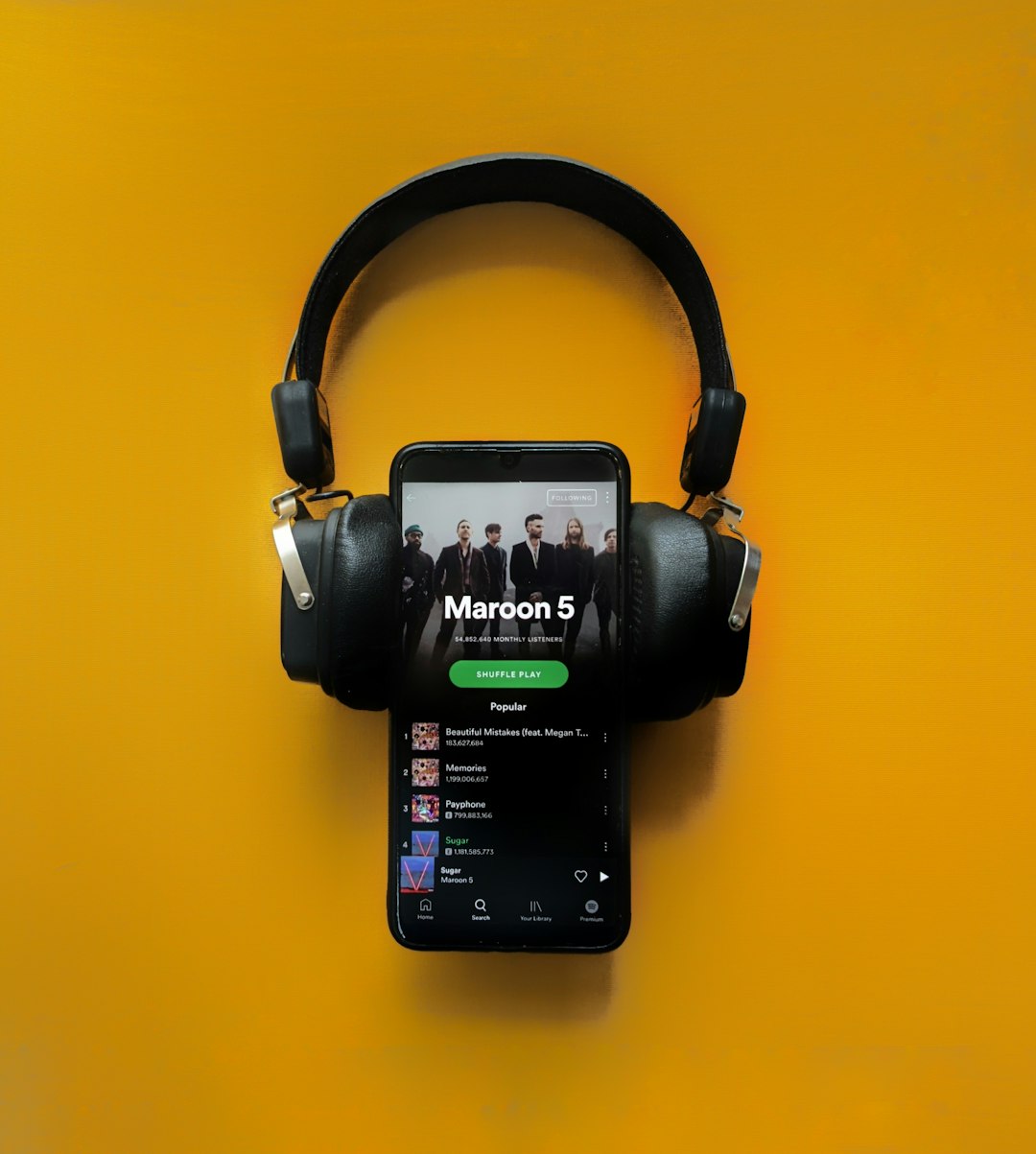
عادةً ما يتحدث كالب ديفيز، المتداول البارز في أسواق التوقعات، عن كيفية مساعدته تحليله الدقيق للبيانات، وخاصة من سبوتيفاي، في تحقيق مكاسب مالية كبيرة. يفتخر المتخصص في تكنولوجيا المعلومات ومقره مينيابوليس بحوالي 1.2 مليون دولار من الأرباح عبر منصات مختلفة، مع جزء كبير منها يأتي من أسواق الثقافة في Kalshi وحدها. تتضمن استراتيجيته تنزيل البيانات اليومية وتحليلها بدقة لرهاناته على قوائم الموسيقى.
ومع ذلك، خلال الصيف الماضي، تحول تركيز ديفيز من الربح إلى الكشف عما اشتبه في أنه تلاعب واسع النطاق ومدفوع بالبوتات يؤثر على أسواق التوقعات المتعلقة بسبوتيفاي. مدفوعًا بقلق متزايد، بدأ في جمع ونشر أدلة مقنعة لنظريته. نما اقتناعه إلى درجة أنه اتصل رسميًا بسبوتيفاي وKalshi وPolymarket، وحثهم على التحقيق في مخاوفه.
تصاعد الوضع بشكل كبير عندما صعدت أغنية “Earrings” لمالكولم تود بشكل غير متوقع إلى المركز الأول في قائمة سبوتيفاي. سارع ديفيز إلى منصة X (تويتر سابقًا)، مقدمًا قضيته بأن الارتفاع المفاجئ كان مثالًا واضحًا على “البوتات” – أي المحتالين الذين يستخدمون برامج آلية لتضخيم أرقام البث بشكل مصطنع. افترض أن هذه الإجراءات كانت تهدف تحديدًا إلى التلاعب بنتائج عقود أسواق التوقعات ذات الصلة. إن عدم احتمالية وصول أغنية تود إلى هذا المركز، والذي وصفه ديفيز بأنه “حدث 11.24 سيجما” أو ما يقرب من فرصة واحدة من كل 77 أوكتليون لحدوثه عشوائيًا، أكد خطورة الاحتيال المزعوم.
تم تأكيد شكوك ديفيز في النهاية. أكدت سبوتيفاي لمجلة WIRED أن تحقيقها في الحوادث المبلغ عنها كشف عن أدلة واضحة على البث الاصطناعي. بينما ذكرت الشركة أنها تستخدم “أفضل ممارسات الكشف والتخفيف” وتحجب الإتاوات عن التدفقات المتلاعب بها، إلا أنها لم تقدم تفسيرًا محددًا للدافع وراء التلاعب، تاركة نظرية ديفيز حول تأثير سوق التوقعات كاحتمال قوي. بعد ذلك، قامت سبوتيفاي بتعديل قوائمها، مزيلة أكثر من 500 ألف تدفق اصطناعي، مما أدى إلى تراجع أغنية تود من المركز الأول إلى الرابع. ومع ذلك، جاء هذا التصحيح متأخرًا جدًا بالنسبة لـ Kalshi، التي كانت قد سوت السوق بالفعل، ومنحت المتداولين الذين راهنوا على أغنية تود.
ردًا على الكشوفات، بدأت Kalshi تحقيقها الخاص وتواصلت مع سبوتيفاي. بناءً على طلب سبوتيفاي، أزالت Kalshi شعار عملاق البث من أسواقها ذات الصلة وعدلت اللغة التي كانت تشير سابقًا إلى أن سبوتيفاي قد تحققت من نتائج القوائم. بينما اقترحت Kalshi في البداية أن سبوتيفاي وحدها يمكنها تأكيد استخدام البوتات وطرحت نظريات حول ارتفاعات غير مشبوهة أو متداولين ينسخون Polymarket، فقد دحض كل من ديفيز وPolymarket الأخير، مشيرين إلى أن أغنية مالكولم تود لم تكن حتى خيارًا في سوق Polymarket ذات الصلة. لا تزال دوافع أولئك الذين يقفون وراء التلاعب بالبث غير معروفة، على الرغم من عدم وجود ما يشير إلى تورط مالكولم تود.
يسلط هذا الحادث الضوء على نقطة ضعف حرجة: إدخال أسواق التوقعات يخلق حافزًا جديدًا وقويًا للمحتالين في مجال البث. أكدت أماندا فيشر، رئيسة سابقة لموظفي هيئة الأوراق المالية والبورصات، أن المنصات يجب ألا تدرج العقود “ما لم تتخذ قرارًا إيجابيًا بأنها ليست عرضة للتلاعب بسهولة”، وهو معيار تعتقد أنه لا يتم الوفاء به بوضوح. بالنسبة لكالب ديفيز، دفعته التجربة إلى التخلي عن الأسواق القائمة على القوائم تمامًا، على الرغم من ربحيتها التاريخية، قائلاً: “لم يعد بإمكاني اللعب فيها بعد الآن.”