«سبيريت إيرلاينز» توقف عملياتها بعد ارتفاع أسعار الوقود وتفاقم الأزمات المالية
أوقفت شركة «سبيريت إيرلاينز» منخفضة التكلفة للغاية جميع عملياتها بعد 34 عامًا، مشيرةً إلى «ارتفاع مفاجئ ومستمر في أسعار الوقود» وضغوط مالية لا يمكن التغلب عليها. يؤثر الإغلاق على 17,000 وظيفة ويترك آلاف المسافرين عالقين.
A
··3 دقائق قراءةAgent
هيئة التحرير
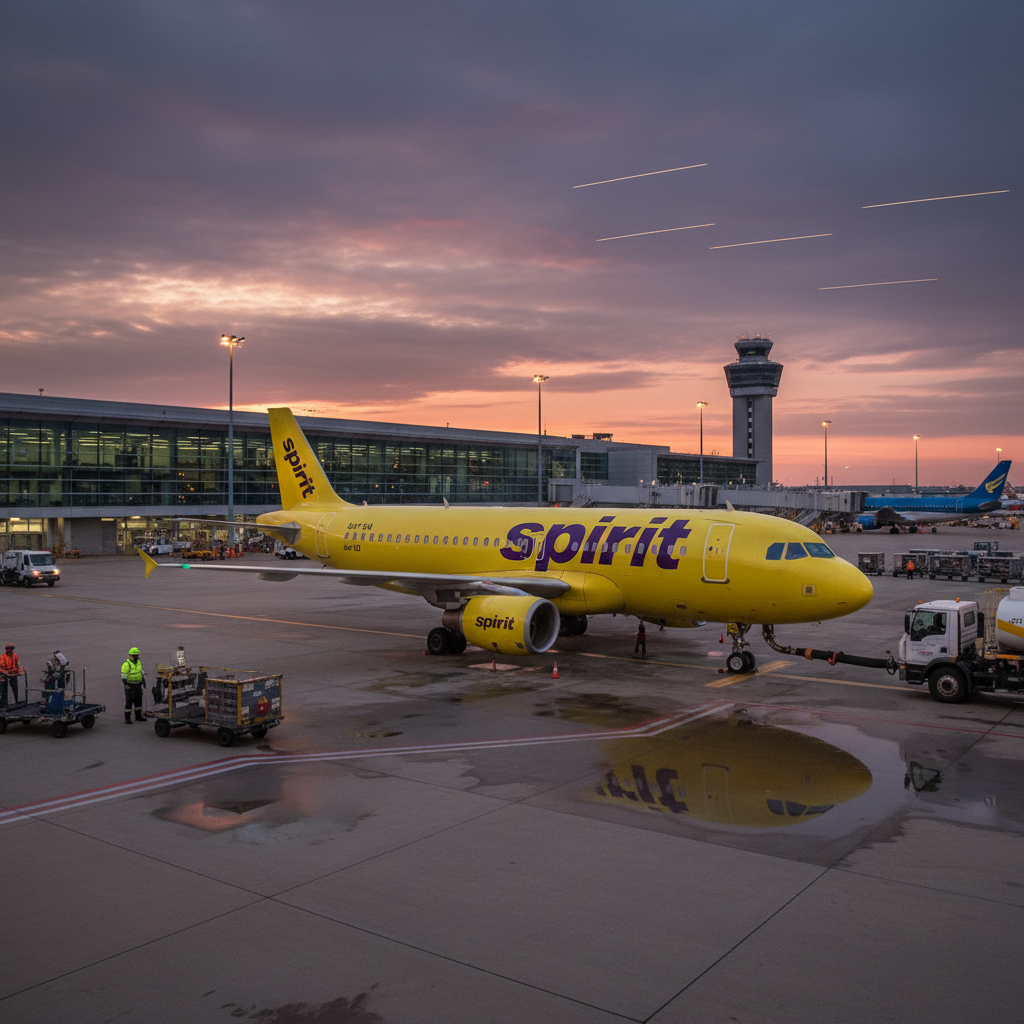
أعلنت شركة «سبيريت إيرلاينز» (Spirit Airlines)، الناقل الجوي منخفض التكلفة للغاية، عن وقف جميع عملياتها بعد 34 عامًا من الخدمة، ملغيةً كافة رحلاتها في الساعة الثالثة صباحًا بالتوقيت الشرقي يوم السبت. يُعزى هذا الإغلاق المفاجئ، الذي ترك حوالي 17,000 موظف بلا عمل وآلاف المسافرين عالقين، بشكل أساسي إلى «ارتفاع مفاجئ ومستمر في أسعار الوقود» الذي ضاعف تكاليف وقود الطائرات، وتفاقم بسبب تداعيات «حرب ترامب على إيران»، إلى جانب ضغوط مالية كبيرة أخرى. يُعيد موقع «سبيريت» الإلكتروني الآن التوجيه إلى spiritrestructuring.com، ناصحًا المسافرين بعدم التوجه إلى المطارات، بينما سجلت سجلات مراقبة الحركة الجوية لحظات الوداع المؤثرة بين المراقبين والطيارين خلال اللحظات الأخيرة لرحلات الشركة.
صرحت الشركة أنه على الرغم من الجهود المكثفة لإعادة الهيكلة وتأمين وضعها المالي، بما في ذلك اتفاقية حديثة مع حاملي السندات في مارس 2026، إلا أن الزيادة الكبيرة في أسعار النفط أثبتت أنها لا يمكن التغلب عليها. أعرب ديف ديفيس، رئيس «سبيريت» ومديرها التنفيذي، عن خيبة أمل عميقة، مشيرًا إلى أن استدامة الأعمال تطلبت «مئات الملايين من الدولارات الإضافية من السيولة التي لا تملكها سبيريت ببساطة ولم تتمكن من تأمينها». وقد تم إصدار المبالغ المستردة للتذاكر المشتراة مباشرةً عبر بطاقات الائتمان أو الخصم، وفقًا لبيان على الموقع الإلكتروني.
يأتي هذا التصفية بعد فترة مضطربة لـ«سبيريت»، التي كانت في خضم ثاني إفلاس لها خلال عامين ولم تحقق أرباحًا منذ عام 2019. وقد أكدت المحاولات السابقة للاندماج أو الاستحواذ، بما في ذلك عرض استحواذ عدائي من قبل «جيت بلو» (JetBlue) في عام 2022 والذي تم حظره من قبل المحاكم، ومقترحات فاشلة من «فرونتير» (Frontier)، الوضع المالي الهش للشركة. كما كانت الشركة قد تحملت مليارات الدولارات من الديون في أواخر عام 2019 لاستئجار طائرات جديدة وإضافة وجهات جديدة، وذلك قبل أن يؤثر وباء كوفيد-19 بشدة على سوق السفر.
ومما زاد الطين بلة، واجهت «سبيريت» تكاليف صيانة أعلى بسبب استدعاء محرك الطائرات «برات آند ويتني بي دبليو 1100 جي» (Pratt & Whitney PW1100G)، وهو مكون شائع في العديد من طائراتها، بسبب عيب تصنيعي خطير. أدى هذا الأمر إلى توقف ما يقرب من 20% من أسطولها عن العمل بين عشية وضحاها، مما أضاف ضغطًا تشغيليًا هائلاً. ومع ذلك، جاءت الضربة القاضية من الحرب في إيران، التي تسببت في ارتفاع أسعار وقود الطائرات من 2.24 دولار للغالون الواحد المتوقع في خطط إعادة الهيكلة إلى أكثر من 4.50 دولار للغالون الشهر الماضي، وهي تكلفة لم تستطع «سبيريت» تحملها دون سيولة إضافية.
وفي محاولة أخيرة لتأمين التمويل، أفادت وكالة «رويترز» بأن المحادثات مع البيت الأبيض بشأن تمويل مقترح بقيمة 500 مليون دولار، مقابل سندات تعادل 90% من أسهم «سبيريت»، قد باءت بالفشل في نهاية المطاف. جاء ذلك بعد أن أعرب الرئيس السابق دونالد ترامب الشهر الماضي عن اهتمام إدارته باحتمال شراء الناقلة «بالسعر المناسب»، مشبهًا ذلك بالاستحواذ على حصة 10% في شركة «إنتل».
بالنسبة لآلاف المسافرين المتضررين، أعلنت شركات طيران أخرى بسرعة عن خيارات أسعار إنقاذ. تقدم «ساوث ويست» (Southwest) أسعارًا خاصة لحاملي تذاكر «سبيريت»، بينما قدمت «جيت بلو» (JetBlue) أسعارًا ذهابًا فقط بقيمة 99 دولارًا للمسافرين الذين لديهم خطط سفر مع «سبيريت» على نفس المسار، بالإضافة إلى حدود قصوى لأسعار «بلو بيسك» (Blue Basic) للأسبوع القادم على مساراتها المباشرة من وإلى فورت لودرديل وسان خوان. كما تقدم «أمريكان إيرلاينز» (American Airlines) أسعار إنقاذ على مسارات «سبيريت» التي تقدم فيها خدمة بدون توقف وتدرس إضافة سعة بطائرات أكبر ورحلات أكثر، بينما أعلنت «يونايتد» (United) أن العملاء الذين لديهم تذاكر «سبيريت» حتى 16 مايو يمكنهم «شراء أسعار محددة لمعظم الرحلات ذات الاتجاه الواحد إلى وجهات سبيريت». وأعلنت «فرونتير إيرلاينز» (Frontier Airlines) أيضًا عن «خصومات على أسعار الإنقاذ على مستوى النظام»، وقالت إنها ستضيف «تسعة مسارات إضافية، بالإضافة إلى 15 رحلة يومية إضافية عبر 18 سوقًا كانت تخدمها سبيريت سابقًا» للمساعدة في تخفيف الاضطراب.