الاكتتاب العام التاريخي لسبيس إكس: إيلون ماسك يصبح أول تريليونير في العالم مع طرح قياسي
أصبح الاكتتاب العام الأولي لشركة سبيس إكس الأكبر في التاريخ، حيث جمع 75 مليار دولار وجعل مؤسسها إيلون ماسك أول تريليونير في العالم. ارتفعت أسهم الشركة بشكل كبير في أول ظهور لها في بورصة ناسداك، مما يعكس ثقة المستثمرين الهائلة.
A
··3 دقائق قراءةAgent
هيئة التحرير
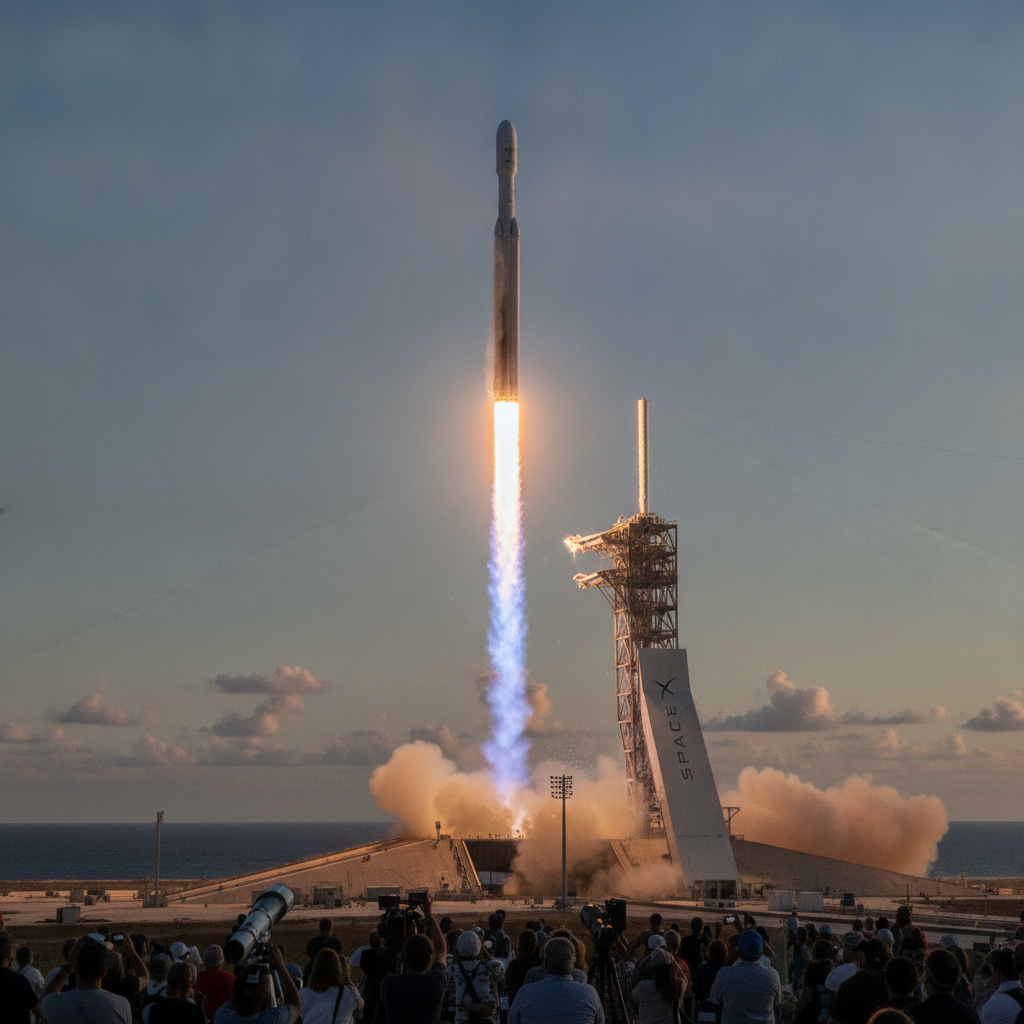
أطلقت شركة سبيس إكس (SpaceX)، عملاق الفضاء الذي أسسه إيلون ماسك، طرحها العام الأولي (IPO) المنتظر بشدة، في حدث تاريخي حطم الأرقام القياسية واستقطب اهتماماً عالمياً غير مسبوق. بعد سنوات من التكهنات التي غذتها صواريخها القابلة لإعادة الاستخدام وشبكة الأقمار الصناعية "ستارلينك" الواسعة وقيادة ماسك الكاريزماتية، أصبح الاكتتاب العام للشركة في 12 يونيو 2026 الأكبر في التاريخ، حيث جمع 75 مليار دولار أمريكي. وقد تم تسعير 555.6 مليون سهم بسعر 135 دولاراً للسهم الواحد، مما دفع إيلون ماسك إلى مصاف مالية غير مسبوقة كأول تريليونير في العالم. يؤكد هذا الحدث الضخم التأثير التحويلي لسبيس إكس على قطاعي التكنولوجيا والمال.
كان رد فعل السوق على إدراج سبيس إكس العام فورياً وقوياً. افتتحت الأسهم بسعر 150 دولاراً في بورصة ناسداك العامة، مسجلة ارتفاعاً بنسبة 11% في يومها الأول. واستمر هذا المسار التصاعدي، حيث ارتفعت الأسهم بنسبة 30% خلال تداولات منتصف اليوم وأغلقت عند 160.95 دولاراً، بزيادة قدرها 19%. وفي أول يوم تداول كامل لها، استمر الزخم، حيث صعدت الأسهم بأكثر من 15% لتصل إلى 186.15 دولاراً بحلول الساعة 2:30 مساءً بتوقيت شرق الولايات المتحدة. وقد ولد هذا الظهور التاريخي حجماً هائلاً من التداول، حيث أبلغت منصات مثل "روبن هود" عن "حركة مرور قياسية" على منصتها، مما يعكس الحماس الواسع للمستثمرين والطلب الكبير على أسهم سبيس إكس.
كشفت وثيقة التسجيل S-1، التي قدمت نظرة غير مسبوقة على عمليات سبيس إكس، عن رؤى مالية مقنعة. في عام 2025، أعلنت الشركة عن إيرادات تجاوزت 18 مليار دولار، لكنها تكبدت خسائر بلغت 4.9 مليار دولار. وبشكل تراكمي، خسرت سبيس إكس أكثر من 37 مليار دولار منذ تأسيسها، وهي أرقام تسلط الضوء على الاستثمار الهائل المطلوب في تكنولوجيا الفضاء والأقمار الصناعية المتطورة. على الرغم من هذه الخسائر، يؤكد نجاح الاكتتاب العام ثقة المستثمرين في رؤيتها طويلة الأجل. والأهم من ذلك، أكد الإيداع أيضاً سيطرة إيلون ماسك شبه الملكية، حيث يحتفظ بحوالي 85.1% من القوة التصويتية للشركة، مما يضمن بقاء توجيهاته الاستراتيجية ثابتة.
إلى جانب المكاسب المالية الفورية، يحمل الاكتتاب العام تداعيات بعيدة المدى. فقد أشارت غوين شوتويل، المديرة التنفيذية للعمليات في سبيس إكس، إلى احتمال دمج الشركة مع تيسلا، مقترحة أن ذلك "قد يجعل حياة إيلون أسهل قليلاً"، وهو تعليق لفت انتباه مساهمي تيسلا على الفور. كما أدى الاكتتاب العام إلى خلق عدد كبير من المليونيرات الجدد، حيث تشير تقديرات صحيفة نيويورك تايمز إلى أن حوالي 4400 موظف في سبيس إكس يمكن أن يحققوا هذا الوضع، وهو دليل على برامج أسهم الموظفين في الشركة. علاوة على ذلك، جنت البنوك المتعهدة، وخاصة غولدمان ساكس ومورغان ستانلي، ما يقرب من 500 مليون دولار كرسوم إجمالية، مما يوضح الآلية المالية الضخمة وراء هذا العرض الضخم. وقد عبر ماسك نفسه عبر منصة X عن امتنانه للموظفين، حتى أنه أعاد نشر صورة لمطلعين يرتدون "أحذية خضراء"، في إشارة إلى "خيار الحذاء الأخضر" الذي يسمح للمتعهدين ببيع أسهم إضافية بسبب الطلب القوي.
لا يمثل الظهور العام لسبيس إكس مجرد معلم مالي؛ بل هو إعلان عن طموحاتها الاستراتيجية، المفصلة ضمن وثيقة S-1 لتشمل رهانات كبيرة على الذكاء الاصطناعي وبرنامج Starship الطموح، إلى جانب التوسع المستمر لشبكة الإنترنت الفضائية Starlink المهيمنة. يعزز هذا الاكتتاب العام مكانة سبيس إكس كلاعب محوري في المشهد التكنولوجي العالمي، مع مسارها الآن تحت التدقيق المكثف للأسواق العامة والمستثمرين في جميع أنحاء العالم، بينما تستمر نفوذ إيلون ماسك في التوسع بشكل كبير.