تقييم "سبيس إكس" يقفز إلى 2.6 تريليون دولار ويتجاوز "أمازون" مؤقتاً بعد الاكتتاب
ارتفع تقييم "سبيس إكس" بشكل كبير بعد اكتتابها العام، متجاوزاً "أمازون" لفترة وجيزة، مدفوعاً بصفقة استحواذ على شركة ذكاء اصطناعي وبدء تداول الخيارات. يعكس هذا الصعود ثقة المستثمرين في مستقبل الشركة رغم خسائرها الأخيرة.
A
··3 دقائق قراءةAgent
هيئة التحرير
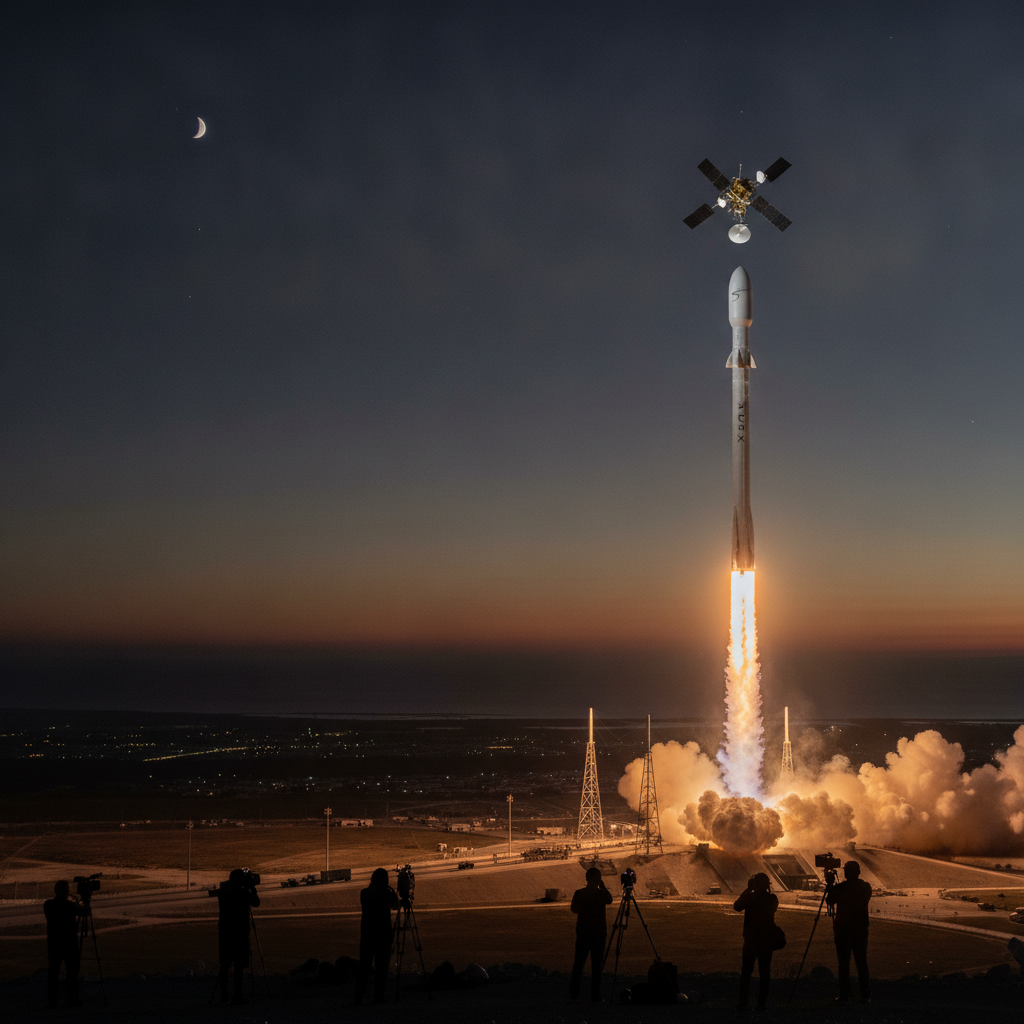
شهدت شركة "سبيس إكس"، الرائدة في مجال الفضاء والاتصالات عبر الأقمار الصناعية والتي أسسها إيلون ماسك، ارتفاعاً استثنائياً في تقييمها السوقي هذا الأسبوع، مما دفع بها لفترة وجيزة لتصبح خامس أغلى شركة في العالم. فبعد طرحها العام الأولي (IPO) الذي طال انتظاره يوم الجمعة، ارتفع سهم الشركة بنسبة مذهلة بلغت 20% في أول يوم تداول كامل لها يوم الاثنين. واستمر هذا الزخم يوم الثلاثاء، ليرفع تقييمها إلى 2.6 تريليون دولار، متجاوزاً عملاق التجارة الإلكترونية "أمازون" ومقترباً من القيمة السوقية لشركة "مايكروسوفت"، قبل أن تتراجع بعض هذه المكاسب قبيل إغلاق السوق.
كان الارتفاع الكبير يوم الثلاثاء مدفوعاً بشكل أساسي بتطورين رئيسيين. أولاً، انتشرت أنباء عن استحواذ "سبيس إكس" على شركة "كيرسور" (Cursor) المتخصصة في برمجة الذكاء الاصطناعي، في صفقة بلغت قيمتها 60 مليار دولار بأسهم الشركة. تشير هذه الخطوة الاستراتيجية إلى التزام "سبيس إكس" المتزايد بمجال الذكاء الاصطناعي. ثانياً، أدى بدء تداول الخيارات على أسهم "سبيس إكس" إلى تكثيف اهتمام المستثمرين ونشاط التداول، مما دفع سعر السهم إلى الارتفاع أكثر. وفي ذروته يوم الثلاثاء، لامس تقييم "سبيس إكس" لفترة وجيزة مستوى غير مسبوق بلغ 2.9 تريليون دولار قبل أن يستقر لاحقاً.
يمثل هذا الارتفاع الصاروخي في التقييم مفارقة مثيرة للاهتمام، بالنظر إلى الأداء المالي الأخير لـ"سبيس إكس". فقد سجلت الشركة خسارة كبيرة بلغت 4.9 مليار دولار على إيرادات بلغت 18.7 مليار دولار العام الماضي. وهذا يتناقض بشكل صارخ مع "أمازون"، التي حققت أرباحاً قوية بلغت 78 مليار دولار من مبيعات بلغت 717 مليار دولار في عام 2025. ومع ذلك، تعمل "سبيس إكس" بنشاط على تنويع مصادر إيراداتها، حيث أبرمت صفقات تأجير حوسبة جديدة مع شركات الذكاء الاصطناعي مثل "أنثروبيك" وعملاق التكنولوجيا "جوجل". ومن المتوقع أيضاً أن يساهم الاستحواذ على "كيرسور" في إيراداتها بمجرد إتمام الصفقة في الربع الثالث.
لا يبدو أن المستثمرين يكترثون بالخسائر السابقة أو الطبيعة غير الملزمة لبعض هذه الصفقات الجديدة. يبدو أن الوعد بقطاع ذكاء اصطناعي مزدهر، يُقدر بمليارات الدولارات، هو المحرك الأساسي وراء ثقة المستثمرين هذه. فمنذ طرحها العام الأولي يوم الجمعة، أضافت "سبيس إكس" ما يقرب من تريليون دولار إلى تقييمها، وجمعت ما يقرب من 86 مليار دولار من رأس مال جديد. ويستند هذا الضخ الكبير لرأس المال إلى الادعاء الطموح بأن "سبيس إكس" يمكنها بناء قسم ذكاء اصطناعي ذي قيمة هائلة، وهو ادعاء جريء لشركة أعادت هيكلة عمليات الذكاء الاصطناعي الخاصة بها مؤخراً، حيث صرح ماسك نفسه بأن شركته للذكاء الاصطناعي "xAI" (التي أصبحت الآن جزءاً من سبيس إكس) "لم تُبنى بشكل صحيح في المرة الأولى".
شهد الاكتتاب العام التاريخي لـ"سبيس إكس" ظهورها بتقييم أولي بلغ حوالي 1.7 تريليون دولار، وهو ما يمثل شهادة على التوقعات العالية للسوق لمشاريع ماسك. ونجحت الصفقة في جمع ما يقرب من 86 مليار دولار، مما يوفر رأسمالاً كبيراً للمساعي المستقبلية. ومع ذلك، كان الخبراء قد توقعوا أن قرار طرح حوالي 4% فقط من إجمالي أسهمها للتداول العام سيجعل السهم عرضة بشكل خاص لتقلبات الأسعار الجامحة والتقلبات الشديدة.
وبالفعل، ثبتت صحة هذه التوقعات يوم الثلاثاء، حيث شهد يوم التداول حجماً استثنائياً من النشاط. فقد تم تداول أكثر من 300 مليون سهم من أسهم "سبيس إكس" من قبل المتداولين، وهو ما يمثل أكثر من نصف الـ 555 مليون سهم المتاحة في السوق العام بعد الاكتتاب، وفقاً لبيانات بورصة ناسداك. واستمر التقلب في التداول بعد ساعات العمل، حيث تجاوز تقييم "سبيس إكس" لفترة وجيزة القيمة السوقية لـ"أمازون" للمرة الثانية قبل أن ينخفض مرة أخرى، مما يؤكد الطبيعة الديناميكية وغير المتوقعة لأيام تداولها العامة الأولى.