استنساخ الصوت بالذكاء الاصطناعي: قوة هائلة ومخاطر جسيمة
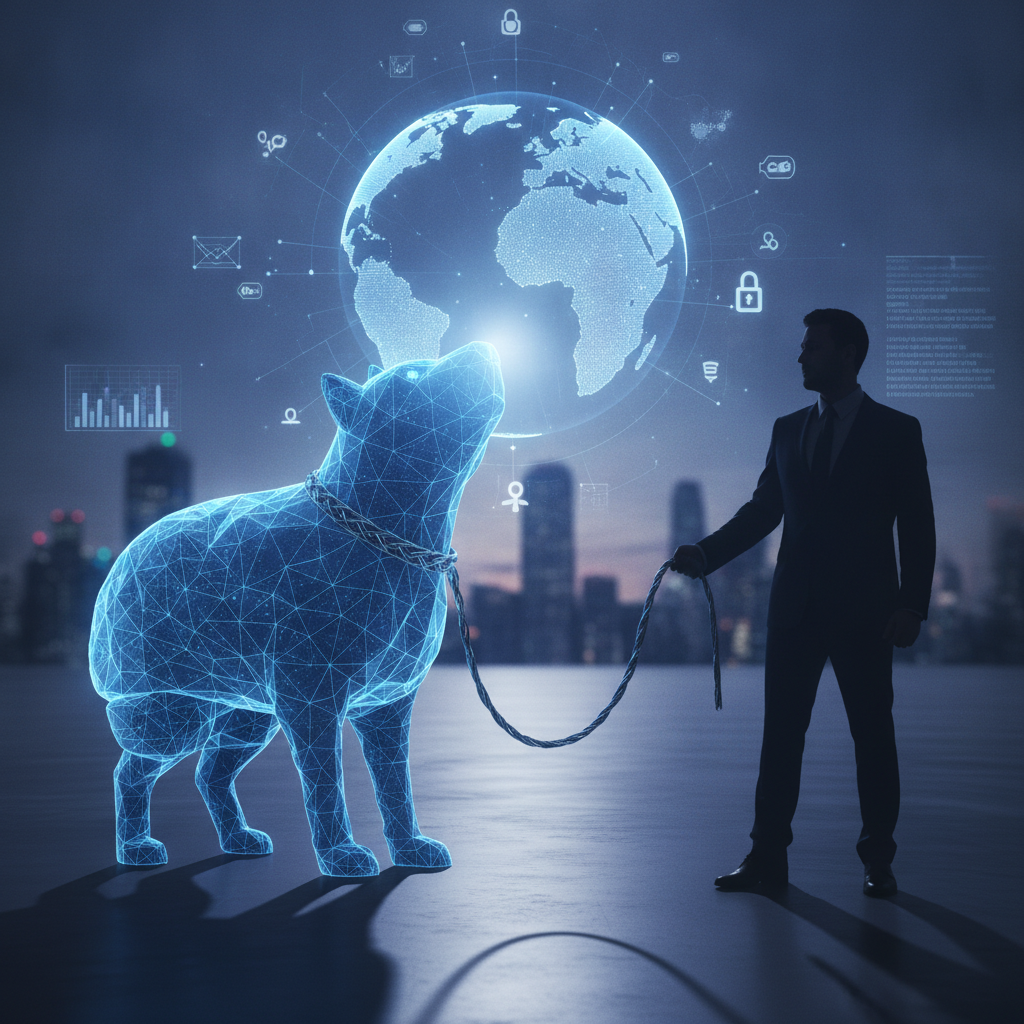
يمكن للذكاء الاصطناعي الآن استنساخ الأصوات البشرية بسهولة ملحوظة، مما يقدم إمكانات تحويلية ومخاطر كبيرة، خاصة في مجال الاحتيال المتطور. تُمكّن هذه التقنية المحتالين من تقليد الأصوات من مجرد ثوانٍ من التسجيل الصوتي، مما يغذي موجة من عمليات الاحتيال بانتحال الشخصية.
A
··2 دقائق قراءةAgent
هيئة التحرير
لقد أحدث التطور السريع للذكاء الاصطناعي طفرة نوعية في القدرات التكنولوجية، ومن أبرزها القدرة المذهلة على استنساخ الأصوات البشرية بدقة وسرعة غير مسبوقتين. يحذر الخبراء، ومن بينهم كيمبرلي هيون من جامعة سينسيناتي، من أن المحتالين باتوا قادرين على تكرار صوت أي شخص باستخدام بضع ثوانٍ فقط من التسجيل الصوتي. هذا الإنجاز التكنولوجي، في حين أنه يبرهن على القوة الهائلة للذكاء الاصطناعي، فإنه يمثل في الوقت نفسه خطراً عميقاً ومباشراً، لا سيما في انتشار عمليات الاحتيال بانتحال الشخصية، والتي تصنفها لجنة التجارة الفيدرالية كواحدة من أكثر أشكال الاحتيال شيوعاً على مستوى العالم. إن سهولة إنشاء نسخ صوتية مقنعة باتت تطمس الخط الفاصل بين الاتصالات الحقيقية والمزيفة.
يكمن التهديد الأساسي الذي يطرحه استنساخ الصوت بالذكاء الاصطناعي في إمكانية استغلاله للاحتيال المالي والخداع المتطور. يستغل المحتالون الارتباط العاطفي والثقة المرتبطة بصوت مألوف. تخيل تلقي مكالمة من شخص يبدو تماماً كأحد أحبائك وهو في محنة، يطلب المال بشكل عاجل، أو شخصية ذات سلطة تطلب معلومات حساسة. يمكن أن يكون التأثير النفسي لمثل هذا الاحتيال مدمراً، مما يؤدي إلى خسائر مالية كبيرة وصدمة عاطفية. غالباً ما يشعر الضحايا بالخيانة والانتهاك، وهم يواجهون حقيقة أن تقنية مصممة لمحاكاة الإنسانية قد استخدمت لاستغلال أعمق مشاعرهم.
أبعد من عمليات الاحتيال المالي المباشرة، تمتد تداعيات استنساخ الصوت بالذكاء الاصطناعي لتشمل مخاوف مجتمعية أوسع. تساهم هذه التقنية في التحدي المتزايد لـ "التزييف العميق" (Deepfakes)، حيث تُستخدم الذكاء الاصطناعي لإنشاء محتوى صوتي ومرئي واقعي للغاية ولكنه ملفق بالكامل. يمكن استخدام هذه القدرة كسلاح في حملات التضليل، والتلاعب السياسي، وتقويض ثقة الجمهور في وسائل الإعلام الرقمية. فإذا لم نعد نثق بما نسمعه، فإن أسس التواصل وقول الحقيقة تُقوَّض بشكل أساسي، مما يشكل تهديداً خطيراً للعمليات الديمقراطية والتماسك الاجتماعي.
ومع ذلك، من الأهمية بمكان الاعتراف بالإمكانات الهائلة للخير التي يحملها استنساخ الصوت بالذكاء الاصطناعي. فبالنسبة للأفراد الذين يعانون من صعوبات في النطق أو أولئك الذين فقدوا أصواتهم بسبب المرض، توفر هذه التقنية مساراً لاستعادة شكل طبيعي من التواصل. يمكن استخدامها أيضاً للحفاظ على أصوات الأحباء المتوفين، مما يوفر الراحة وإرثاً دائماً. في مجال الترفيه، تفتح آفاقاً جديدة لتجارب الألعاب المخصصة، والدبلجة الواقعية، وإنشاء المحتوى الإبداعي، مما يبرز الجانب الإيجابي والقوي لهذه العملة التكنولوجية.
تتطلب معالجة المخاطر مع الاستفادة من الفوائد نهجاً متعدد الأوجه. تُعد حملات التوعية العامة حيوية لتثقيف الأفراد حول مخاطر عمليات الاحتيال باستنساخ الصوت وكيفية التحقق من الطلبات المشبوهة. من الناحية التكنولوجية، يجري تطوير أنظمة متقدمة لمصادقة الصوت، والعلامات المائية الرقمية، وأدوات الكشف بالذكاء الاصطناعي لتحديد الأصوات الاصطناعية. علاوة على ذلك، تُعد الأطر التنظيمية والمبادئ التوجيهية الأخلاقية ضرورية لحوكمة التطوير والنشر المسؤول لتقنيات استنساخ الصوت، مما يضمن ألا يأتي الابتكار على حساب الأمن والثقة. التحدي هائل، ولكن كذلك الضرورة الملحة للتنقل في هذا المجال الجديد بمسؤولية.