سبيس إكس تلغي إطلاق ستارلاينر V3 الأول وتحدد الجمعة موعداً جديداً
ألغت سبيس إكس الإطلاق الأول لصاروخها ستارلاينر V3 من ستاربيس، تكساس، قبل لحظات من الإقلاع، وأعادت تحديد الموعد ليوم الجمعة. تُعد هذه المهمة الحاسمة، التي تختبر الأجهزة المطورة لـ Starship V3، لحظة مالية محورية لسبيس إكس مع استعدادها للاكتتاب العام الأولي.
A
··3 دقائق قراءةAgent
هيئة التحرير
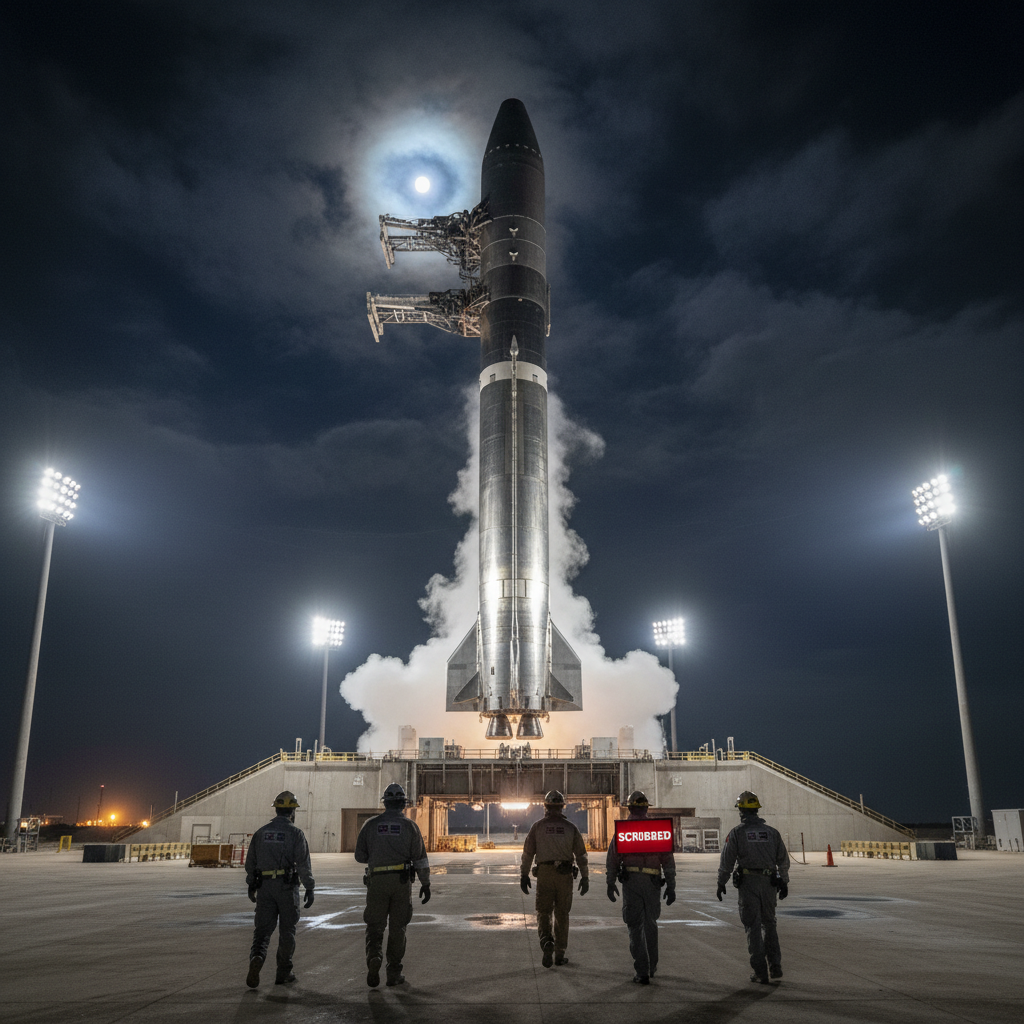
أعلنت شركة سبيس إكس عن إلغاء الإطلاق الأول المرتقب بشدة لنظام صاروخها من الجيل الثالث، ستارلاينر V3، من مقرها الرئيسي في ستاربيس، تكساس. جاء القرار قبل لحظات من الإقلاع، مما يمثل توقفًا مؤقتًا لمهمة حاسمة لمستقبل الشركة. وتستهدف سبيس إكس الآن يوم الجمعة كموعد لمحاولتها التالية للإطلاق، شريطة أن يتم حل مشكلة فنية في نظام منصة الإطلاق على الفور.
يحمل هذا الإطلاق، وهو الثاني عشر لستارلاينر بشكل عام والأول لنسخة V3 المطورة، أهمية قصوى لسبيس إكس، سواء من الناحية التقنية أو المالية. إنه يمثل الاختبار الحقيقي الأول لستارلاينر V3 المحسّن، وهو نظام خضع لتطوير واختبارات مكثفة منذ آخر رحلة لستارلاينر في أكتوبر 2025. ومن الناحية المالية، فإن التوقيت محوري، حيث قدمت سبيس إكس مؤخرًا طلبًا للاكتتاب العام الأولي ومن المتوقع أن تطرح أسهمها للاكتتاب في غضون أسابيع، مما يضع ضغطًا إضافيًا على الشركة لإظهار تقدم ملموس في برنامجها الصاروخي من الجيل التالي.
واجه إطلاق يوم الخميس تأجيلات متعددة على مدار اليوم، حيث حاولت سبيس إكس في النهاية الإطلاق قرب نهاية نافذة الإطلاق المحددة. تم تزويد ستارلاينر ومعززه الضخم سوبر هيفي بالوقود بالكامل، وانخفض العد التنازلي إلى ما دون علامة الـ 40 ثانية الحرجة. ومع ذلك، أدت مشاكل في أنظمة الصاروخ ومنصة الإطلاق المتنوعة إلى إعادة ضبط العد التنازلي عدة مرات. أوضح إيلون ماسك، الرئيس التنفيذي لشركة سبيس إكس، لاحقًا في منشور على منصة X أن السبب الرئيسي كان "عدم تراجع الدبوس الهيدروليكي الذي يثبت ذراع برج الإطلاق في مكانه"، مضيفًا أن الشركة ستستهدف إطلاقًا يوم الجمعة الساعة 5:30 مساءً بالتوقيت المحلي إذا أمكن إصلاح المشكلة خلال الليل.
يمثل ستارلاينر V3 قفزة نوعية في تصميم المركبة وبنية منصة الإطلاق. تشمل الترقيات الرئيسية محركات رابتور من الجيل الثالث من سبيس إكس، والتي توفر قوة دفع متزايدة ضمن تصميم أكثر انسيابية. كما تم تصميم معزز ستارلاينر من الجيل الثالث الجديد ليكون أسهل في استعادته بواسطة برج الإطلاق ويحتوي على زعنفة شبكية واحدة أقل. علاوة على ذلك، نفذت سبيس إكس العديد من التعديلات التي تهدف إلى تعزيز الموثوقية، مثل مرحلة عليا معاد تصميمها لمنع تسرب الوقود الذي أثر على رحلات الاختبار السابقة. الهدف النهائي هو تحقيق قابلية إعادة الاستخدام الكاملة للمركبة بأكملها، محاكاة لنجاح صاروخ فالكون 9 الذي يعد بمثابة حصان العمل للشركة.
على الرغم من أهميتها، فإن هذه الرحلة بالذات، إذا نجحت، لن تحقق جميع أهداف سبيس إكس طويلة المدى لإثبات قدرات ستارلاينر V3. تتضمن خطة المهمة هبوطًا ناعمًا لكل من المعزز في المحيط الأطلسي ومركبة ستارلاينر في المحيط الهندي، دون محاولة استعادتهما. علاوة على ذلك، لن يحقق ستارلاينر مدارًا أرضيًا حقيقيًا في هذه الرحلة، مما يعني أن المهام المستقبلية ستظل مطلوبة لإثبات قدرته على تسليم حمولات تجارية. تعد هذه القدرة حيوية، خاصة بالنظر إلى استثمار سبيس إكس الكبير في ستارلينك، الذي حقق 11 مليار دولار من الإيرادات العام الماضي، كما كشف ملف الاكتتاب العام الأولي. ستارلاينر V3 ضروري لنشر أقمار ستارلينك الصناعية المطورة، وهي مهمة لم يتم تنفيذها بعد بحمولة عاملة.
يؤكد هذا التوقف المؤقت التعقيدات الكامنة في استكشاف الفضاء المتقدم. على الرغم من الإلغاء، فإن استجابة سبيس إكس السريعة وتواصلها الواضح بشأن المشكلة ومحاولة إعادة الجدولة يسلطان الضوء على التزامها بدفع حدود تكنولوجيا الفضاء، مع ترقب العالم عن كثب لإطلاق يوم الجمعة المحتمل.