سبيس إكس تطلق النسخة المطورة من "ستارشيب V3" وتفقد معززها عند العودة
أطلقت سبيس إكس النسخة المطورة من صاروخها "ستارشيب V3" لأول مرة، في اختبار حاسم رغم فقدان معزز "سوبر هيفي" عند العودة والانفجار المخطط للمركبة الفضائية. يأتي هذا الإطلاق بينما تستعد الشركة لطرحها العام الأولي في سوق الأسهم، ويعد خطوة مهمة لخططها المستقبلية.
A
··3 دقائق قراءةAgent
هيئة التحرير
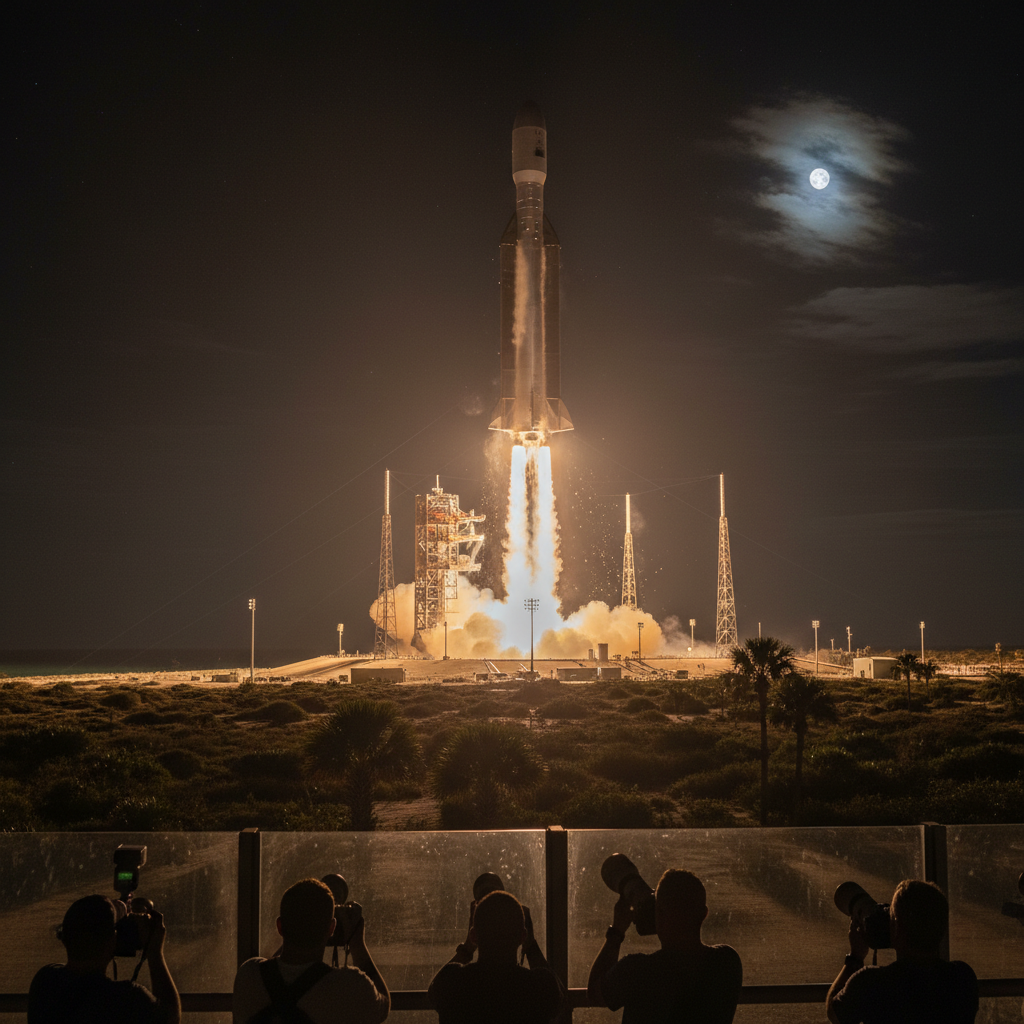
أنجزت سبيس إكس إنجازًا مهمًا بإطلاقها التجريبي الأول لصاروخها "ستارشيب V3" المطور، والذي يُعد الأقوى على الإطلاق، من منشأتها "ستاربيس" في تكساس. ورغم أن الصاروخ الذي يبلغ طوله 407 أقدام قد انطلق بنجاح وانفصلت مرحلته العليا لمواصلة رحلتها في الفضاء، فإن رحلة الاختبار الطموحة لم تنتهِ دون تحديات، مقدمة مزيجًا من النجاحات والإخفاقات الحاسمة للتطوير المستمر للبرنامج.
كان أحد الأهداف الرئيسية للمهمة هو العودة المتحكم بها للمعزز "سوبر هيفي". ومع ذلك، بعد انفصاله عن مركبة "ستارشيب"، فشل المعزز في إعادة إشعال محركاته بشكل صحيح للحرق المستمر المطلوب لإعادته إلى موقع الإطلاق. ونتيجة لذلك، سقط المعزز الضخم بشكل لا يمكن السيطرة عليه في خليج المكسيك، حيث يُفترض أنه انفجر عند الارتطام، مما يمثل انتكاسة كبيرة لجانب قابلية إعادة الاستخدام للنظام.
على الرغم من فقدان المعزز، أظهرت المرحلة العليا من "ستارشيب" عدة نجاحات خلال رحلتها إلى الفضاء. فبالرغم من فقدانها أحد محركاتها الستة من طراز "رابتور" أثناء الصعود، إلا أنها نشرت بنجاح جميع محاكيات أقمار ستارلينك الصناعية العشرين، بالإضافة إلى قمرين صناعيين معدلين من ستارلينك مصممين خصيصًا لتسجيل لقطات خارجية لـ "ستارشيب". وبعد حوالي ساعة من الإقلاع، قامت "ستارشيب" بمحاكاة هبوط في المحيط الهندي، قبل أن تنقلب عمدًا وتنفجر كما هو مخطط لها، مقدمة بيانات قيمة حول دخولها الغلاف الجوي ومرحلتها النهائية.
لم يكن هذا الإطلاق التجريبي مجرد رحلة في حد ذاتها، بل كان بمثابة اختبار حاسم للأجهزة المطورة لـ "ستارشيب V3"، والتي كانت قيد التطوير لأشهر. علاوة على ذلك، كانت سبيس إكس تختبر في الوقت نفسه منصة إطلاق جديدة تمامًا في "ستاربيس"، وهي منشأة استغرق بناؤها سنوات. ويُعد توقيت هذا الإطلاق ملحوظًا بشكل خاص، حيث يأتي في نقطة تحول تاريخية لسبيس إكس، مع الإعلان عن ملف طرحها العام الأولي مؤخرًا، وإدراج متوقع في بورصة ناسداك في منتصف يونيو، بهدف جمع ما يقدر بـ 75 مليار دولار لتمويل المزيد من التطوير، والطموحات الكبيرة في مجال الذكاء الاصطناعي، وتسديد الديون المتعلقة بـ xAI ومنصة إيلون ماسك للتواصل الاجتماعي X.
يمثل "ستارشيب" حجر الزاوية في رؤية سبيس إكس طويلة الأمد لجعل البشرية كائنات متعددة الكواكب، مع خطط لدعم مهام ناسا إلى القمر وفي النهاية إلى المريخ. ومع ذلك، على المدى القريب، فإن دورها الأكثر أهمية هو نشر أقمار ستارلينك الصناعية الأكثر تقدمًا في مدار الأرض، حيث لا يزال ستارلينك هو الجزء الوحيد المربح من عمليات سبيس إكس التجارية المتنوعة. كانت هذه الرحلة هي أول إطلاق لـ "ستارشيب" منذ أكتوبر 2025، بعد انفجار معزز سابق من طراز V3 خلال اختبار في نوفمبر وتأخير حديث للإطلاق بسبب مشكلة في دبوس هيدروليكي.
تتميز نسخة V3 من "ستارشيب" بمحركات "رابتور" من الجيل الثالث من سبيس إكس، والتي تتمتع بدفع معزز وتصميم أبسط بكثير، إلى جانب معزز جديد مصمم لعمليات إقلاع أسرع والتقاط أسهل بواسطة برج الإطلاق. وبينما قدم الاختبار انتصارات وتحديات على حد سواء، فإن الكم الهائل من البيانات التي تم جمعها من هذه المهمة المعقدة سيكون له دور فعال في تحسين نظام "ستارشيب"، ودفع سبيس إكس أقرب إلى أهدافها الطموحة في استكشاف الفضاء واستعماره.