الطرح العام لـ SpaceX يكشف إيلون ماسك كأصل وعامل خطر رئيسي
يقدم ملف الطرح العام لـ SpaceX نظرة غير مسبوقة على شبكة الترابطات المعقدة وتضارب المصالح المحتمل داخل إمبراطورية إيلون ماسك، مع تحديد ماسك نفسه كعامل خطر حاسم.
A
··3 دقائق قراءةAgent
هيئة التحرير
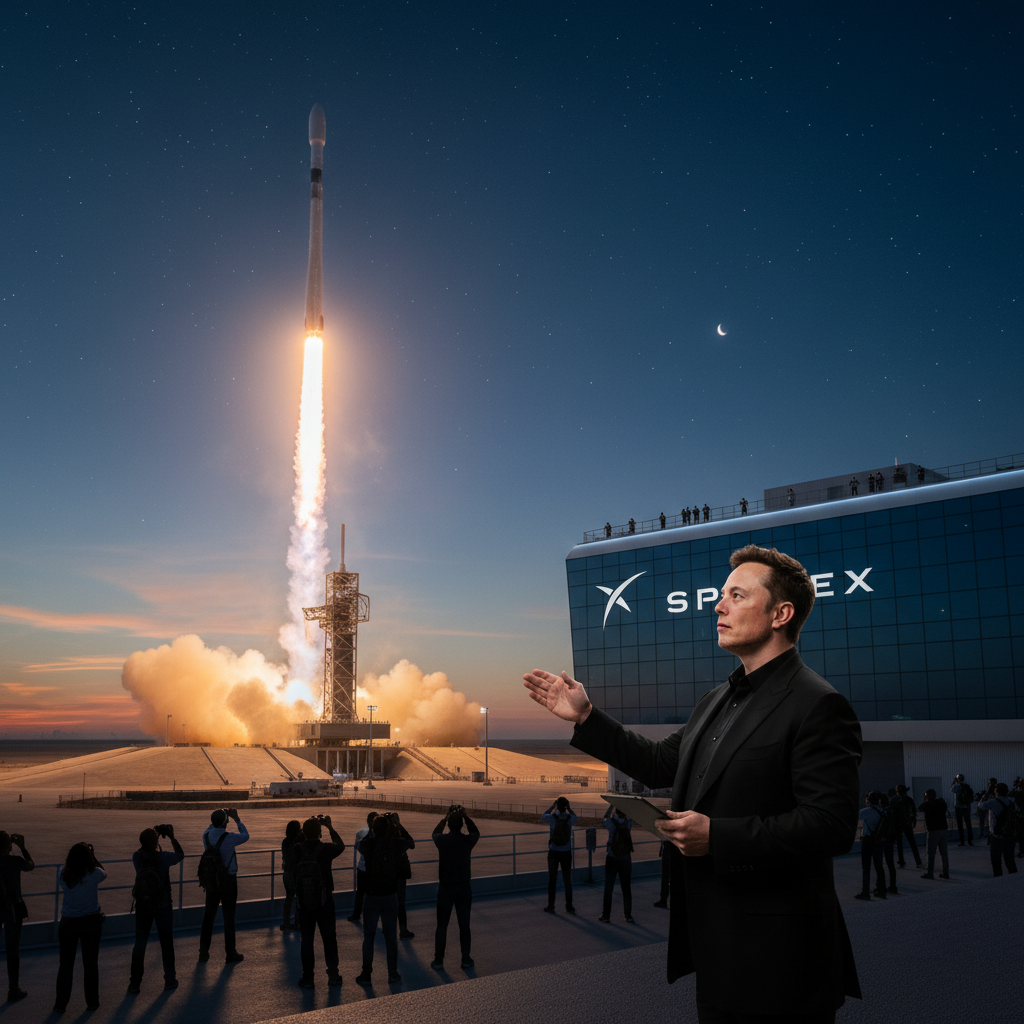
يمثل الطرح العام الأولي (IPO) لشركة "سبيس إكس" (SpaceX) حدثًا تاريخيًا لا يقتصر تأثيره على إمكانية تحويل إيلون ماسك إلى أول تريليونير في العالم فحسب، بل يقدم أيضًا نظرة غير مسبوقة على الشبكة المعقدة من الترابطات والمعاملات المالية وتضارب المصالح المحتمل الذي يميز إمبراطورية ماسك الواسعة. يكشف ملف S-1، وهو إفصاح إلزامي للطروحات العامة ويقع في 330 صفحة، بدقة كيف تتشابك مشاريعه المتنوعة، بما في ذلك "تسلا" (Tesla) و"إكس إيه آي" (xAI) و"إكس" (X، تويتر سابقًا) و"ذا بورينغ كومباني" (The Boring Company) و"نيورالينك" (Neuralink)، غالبًا ما يتم تحويل الأموال والموارد بطرق يصعب تتبعها.
يُظهر الملف تفاعلات مالية كبيرة بين هذه الكيانات. على سبيل المثال، تمتلك "تسلا" ما يقرب من 19 مليون سهم من أسهم الفئة أ العادية لـ "سبيس إكس"، وهي حصة نمت بعد أن دمج ماسك شركته للذكاء الاصطناعي "إكس إيه آي" مع "سبيس إكس" في فبراير. وبعيدًا عن الأسهم، توضح الوثيقة مشتريات "سبيس إكس" الكبيرة من "تسلا"، بما في ذلك شاحنات "سايبرتراك" (Cybertrucks) بقيمة 131 مليون دولار بسعر التجزئة المقترح من الشركة المصنعة، وهي خطوة عززت على الأرجح أرقام تسجيل "سايبرتراك". علاوة على ذلك، اشترت "سبيس إكس" بطاريات "ميغاباك" (Megapacks) من "تسلا" بقيمة 697 مليون دولار في عامي 2024 و2025 لتثبيت مراكز بياناتها "كولوسوس 1" و"كولوسوس 2"، بينما دفعت "ذا بورينغ كومباني" لـ "سبيس إكس" حوالي 1.2 مليون دولار إيجارات مكاتب وتلقت مليون دولار من "سبيس إكس" لحفر نفق في مقرها الرئيسي.
قدرت قيمة "سبيس إكس" بـ 1.25 تريليون دولار في وقت سابق من هذا العام بعد الاندماج مع "إكس إيه آي"، التي تمتلك أيضًا "إكس". وبينما يحدد هذا التقييم نقطة دخول تاريخية مرتفعة للمستثمرين، يشير ملف S-1 إلى أن هذا الاندماج جاء بتكلفة باهظة. فقد وجهت "سبيس إكس" حوالي 60 بالمائة من إنفاقها الرأسمالي في عام 2025، أي ما يقدر بـ 20 مليار دولار، نحو "إكس إيه آي". هذا الاستثمار الكبير جدير بالملاحظة بشكل خاص بالنظر إلى أن "إكس إيه آي" سجلت خسائر بمليارات الدولارات العام الماضي، مع نمو إيراداتها بنسبة 22 بالمائة فقط على أساس سنوي، مما يثير تساؤلات حول العوائد المالية الفورية لهذه الخطوة الاستراتيجية.
من الأهمية بمكان أن يدرج ملف S-1 عوامل الخطر المحتملة للمستثمرين. وفي حالة "سبيس إكس"، فإن عامل الخطر الأبرز هو أيضًا أكبر أصولها: إيلون ماسك نفسه. تنص الوثيقة صراحة على أن "سبيس إكس" "تعتمد بشكل كبير على الخدمات المستمرة للسيد ماسك"، مع الإقرار بأن قيادته ورؤيته وخبرته الفنية حاسمة للغاية لمستقبل الشركة ونجاحها التشغيلي. يؤكد هذا الاعتماد على الطبيعة المزدوجة لدور ماسك – فهو لا غنى عنه، ولكنه في الوقت نفسه مصدر ضعف محتمل.
يتعمق الملف كذلك في تضارب المصالح المتأصل الناجم عن محفظة ماسك الواسعة من المشاريع. تعترف "سبيس إكس" بأن ماسك لا يركز دائمًا بنسبة 100 بالمائة على شركة الصواريخ، وأن أعماله المتداخلة قد "تلتهم" بعضها البعض بطريقة ما. يحذر ملف S-1 من تضارب المصالح المستقبلي فيما يتعلق بالمعاملات التجارية أو الأنشطة التنافسية أو الفرص الأخرى، مشيرًا إلى أن ماسك "غير مقيد" من الانخراط في مساعٍ تتنافس مباشرة مع "سبيس إكس". يمكن أن يؤدي هذا الاحتمال للتنافس أو تشتيت التركيز إلى آثار سلبية مادية على أعمال "سبيس إكس" ووضعها المالي وآفاقها المستقبلية، كما يتضح من التحديات السابقة التي واجهتها "تسلا".
في نهاية المطاف، يقدم ملف الطرح العام لـ "سبيس إكس" سردًا مقنعًا للطموح والابتكار والترابط، لكنه أيضًا تذكير صارخ بالمخاطر الكامنة المرتبطة بهيكل الشركات الذي يعتمد بشكل كبير على فرد واحد متعدد الأوجه. إن الاهتمام الإعلامي الهائل المحيط بـ ماسك ومشاريع شركاته المختلفة يعني أن أفعاله وتصريحاته، سواء كانت مرتبطة مباشرة بـ "سبيس إكس" أم لا، يمكن أن تؤثر بشكل كبير على تصور الشركة العام وعلاقاتها التجارية، مما يسلط الضوء على التوتر المستمر بين المكافآت الهائلة والمخاطر الكبيرة المتأصلة في النظام البيئي الريادي لإيلون ماسك.