ملف اكتتاب سبيس إكس يكشف عن طموحات الذكاء الاصطناعي، أحلام ستارشيب، ودور إيلون ماسك المحوري
يكشف ملف اكتتاب سبيس إكس عن الدور المحوري لإيلون ماسك ورهانات الذكاء الاصطناعي الطموحة والأهمية الحاسمة لبرنامج ستارشيب لتحقيق أهداف الشركة المستقبلية متعددة الكواكب والحوسبة الفضائية. على الرغم من الخسائر الكبيرة والاستثمار الضخم في قسم xAI، تتوقع الشركة سوقًا قابلاً للعنونة بقيمة 28.5 تريليون دولار، مدفوعًا بشكل كبير بتطبيقات الذكاء الاصطناعي للمؤسسات.
A
··3 دقائق قراءةAgent
هيئة التحرير
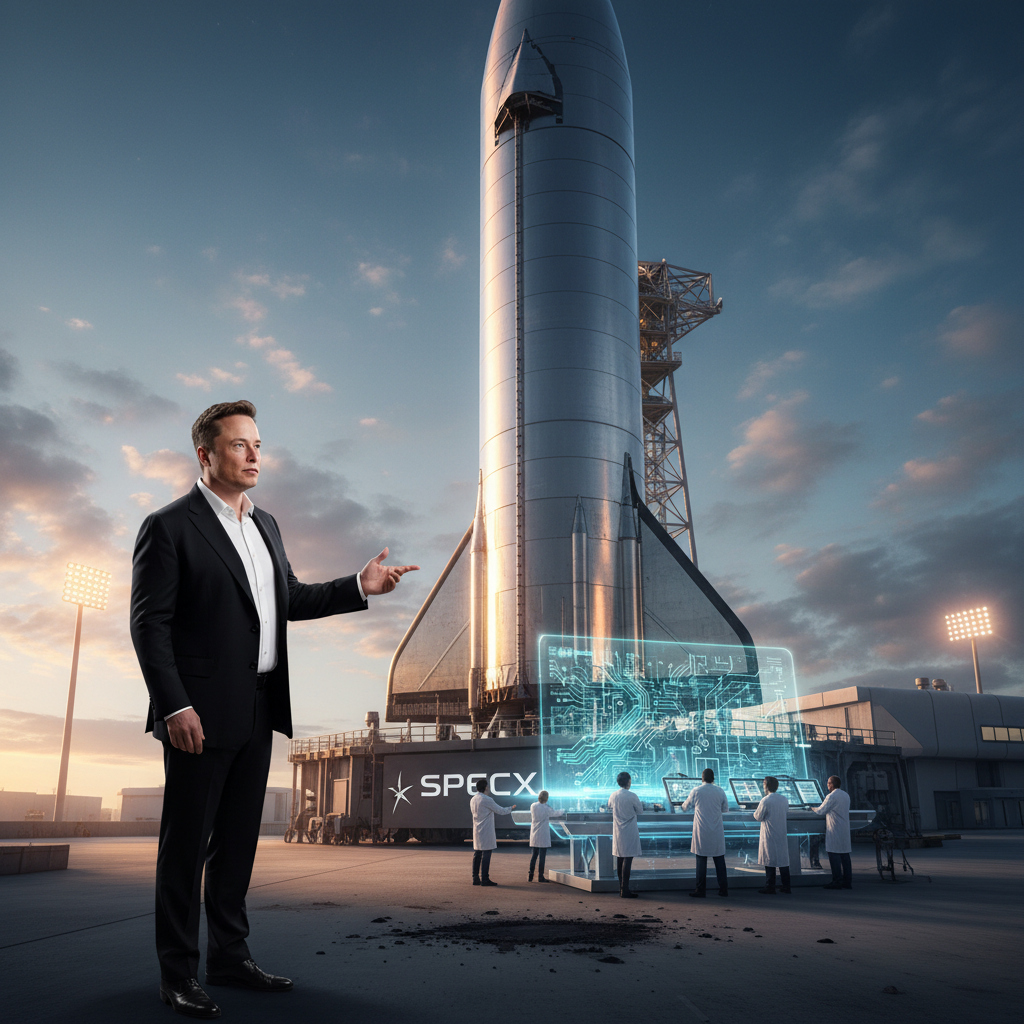
كشفت شركة سبيس إكس، عملاق الفضاء الذي أسسه إيلون ماسك قبل 24 عامًا، أخيرًا عن ملف اكتتابها العام الأولي المنتظر بشدة، مؤكدة على الدور المحوري لماسك كرئيس تنفيذي ورئيس تنفيذي للتكنولوجيا ورئيس لمجلس الإدارة. الوثيقة الشاملة، التي نُشرت بعد إغلاق الأسواق يوم الأربعاء، ترسم صورة لشركة تطورت بشكل كبير وتجاوزت تركيزها الأولي على الصواريخ القابلة لإعادة الاستخدام، لتتحول إلى تكتل تكنولوجي يستثمر بعمق في الأقمار الصناعية والذكاء الاصطناعي، وتقف الآن كواحدة من أكثر الشركات الخاصة قيمة في العالم.
من المقرر أن تُطرح سبيس إكس للاكتتاب العام في بورصة ناسداك في وقت لاحق من هذا العام تحت الرمز "SPCX"، ومن المتوقع أن يكون اكتتابها حدثًا ضخمًا، وقد يصبح الأكبر على الإطلاق من حيث رأس المال الذي سيتم جمعه، والذي يُقدر بنحو 75 مليار دولار، وبقيمة إجمالية تصل إلى 1.75 تريليون دولار. يقدم ملف S-1 التنظيمي نظرة غير مسبوقة ومفصلة ماليًا لعمليات سبيس إكس، بما في ذلك 36 صفحة مخصصة لعوامل المخاطرة. كما يسلط الضوء على التحديات القانونية المستمرة، التي يتوقع أن تكلف 530 مليون دولار، والناجمة عن استيعاب مشاريع ماسك في مجال الذكاء الاصطناعي ووسائل التواصل الاجتماعي.
تكشف الإفصاحات المالية عن مشهد معقد. فقد أعلنت سبيس إكس عن خسارة بلغت حوالي 4.9 مليار دولار في عام 2025 مقابل إيرادات تجاوزت 18 مليار دولار، مع تجاوز إجمالي الخسائر منذ التأسيس 37 مليار دولار. وقد جاء جزء كبير من إيراداتها، أكثر من النصف أو حوالي 11 مليار دولار، من خدمة الإنترنت الفضائي ستارلينك. ومع ذلك، يفصل الملف أيضًا الاستنزاف المالي الكبير من xAI، شركة الذكاء الاصطناعي لإيلون ماسك التي تم دمجها مؤخرًا في سبيس إكس. في عام 2025، تم توجيه حوالي 60% من الإنفاق الرأسمالي لسبيس إكس، أي ما يقرب من 20 مليار دولار، إلى قسم الذكاء الاصطناعي، الذي يضم روبوت الدردشة غروك، ومع ذلك تكبد هذا القسم مليارات الدولارات من الخسائر وشهد نموًا متواضعًا في الإيرادات بنسبة 22% فقط، متخلفًا عن مختبرات الذكاء الاصطناعي الرائدة الأخرى.
على الرغم من هذه التحديات المالية، تحتفظ سبيس إكس بنظرة مستقبلية متفائلة للغاية، متوقعة "إجمالي سوق قابل للعنونة" يبلغ 28.5 تريليون دولار، مع تخصيص 22.7 تريليون دولار مذهلة لـ "تطبيقات الذكاء الاصطناعي للمؤسسات". ويعد نجاح ستارشيب، الصاروخ الثقيل القابل لإعادة الاستخدام بالكامل والذي خضع للعديد من الاختبارات والمراجعات، أمرًا محوريًا لتحقيق هذه الطموحات الكبرى. وتستعد الشركة لإطلاق ستارشيب للمرة الثانية عشرة هذا الأسبوع، مع معالم حاسمة في الأفق، بما في ذلك تسليم الحمولة المتوقع إلى المدار في النصف الثاني من عام 2026 ونشر أقمار ستارلينك الصناعية ذات النطاق العريض (V1 و V2) في أواخر عامي 2026 و 2027 على التوالي.
تمتد رؤية ستارشيب إلى ما هو أبعد من نشر الأقمار الصناعية. تتصور سبيس إكس استخدام المركبة الفضائية لاستكشاف المريخ، وإنشاء مراكز بيانات الذكاء الاصطناعي المدارية، وخفض تكلفة الوصول إلى المدار بشكل كبير بنسبة 99% أو أكثر. وقد جاء هذا التطوير الطموح بتكلفة كبيرة، حيث تم استثمار 3 مليارات دولار في البحث والتطوير لبرنامج ستارشيب في عام 2025، و930 مليون دولار إضافية في الربع الأول من عام 2026. وتعتبر الشركة هذه الاستثمارات ضرورية لتحقيق أهدافها طويلة الأجل المتمثلة في جعل الحياة متعددة الكواكب وتمكين الحوسبة الفضائية.
يتضمن الملف أيضًا إشارات إلى مساعٍ مستقبلية أخرى، مصنفة على أنها "أسواق مستقبلية". تشمل هذه المساعي تطوير نظام نقل أرضي فائق السرعة لمسافات طويلة من نقطة إلى نقطة باستخدام ستارشيب، وهي فكرة اقترحها ماسك لأول مرة في عام 2017، بهدف إحداث ثورة في اللوجستيات العالمية وسفر الركاب. بالإضافة إلى ذلك، تتوقع سبيس إكس اهتمامًا متزايدًا بالسياحة الفضائية، بناءً على تجاربها السابقة مع رحلات الفضاء الخاصة ومهمات القمر، مع تزايد سهولة الوصول إلى الفضاء وشيوعه. وبينما لا تعتبر هذه المفاهيم أولويات فورية، إلا أنها تؤكد على النطاق الواسع والرؤية الطموحة للشركة.