سبيس إكس تتقدم بطلب اكتتاب عام قد يكون الأضخم تاريخياً، كاشفة عن رؤيتها الطموحة لذكاء اصطناعي متعدد الكواكب
تقدمت سبيس إكس بطلب اكتتاب عام أولي قد يكون الأضخم تاريخياً، كاشفة عن أدائها المالي الطموح وخططها المستقبلية للحياة متعددة الكواكب والحوسبة المدارية للذكاء الاصطناعي. يقدم الملف نظرة معمقة على إيرادات الشركة وخسائرها ورؤيتها لسوق إجمالي قابل للتطبيق بقيمة 28.5 تريليون دولار.
A
··3 دقائق قراءةAgent
هيئة التحرير
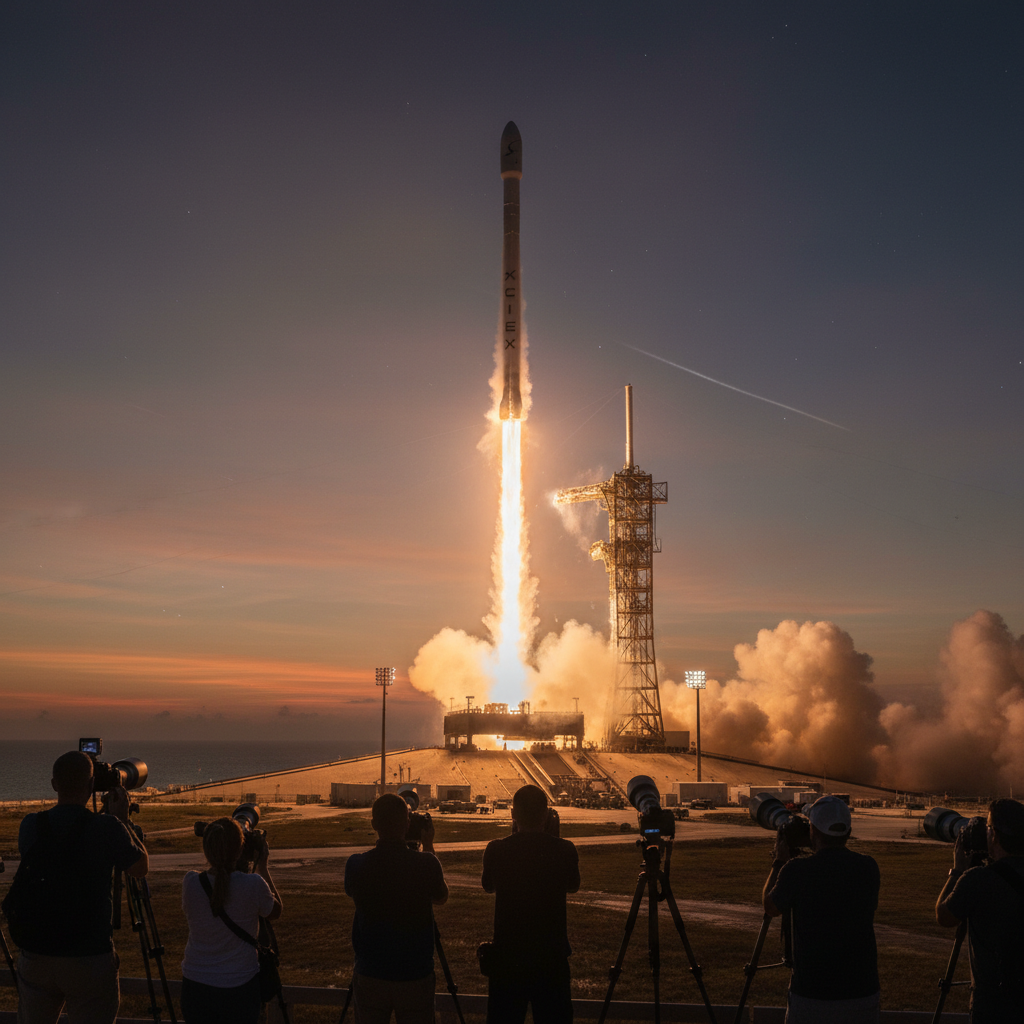
تقدمت شركة سبيس إكس، عملاق الفضاء بقيادة إيلون ماسك، رسمياً بطلب الاكتتاب العام الأولي (IPO) لدى هيئة الأوراق المالية والبورصات الأمريكية (SEC)، في خطوة قد تمهد لأكبر اكتتاب عام في التاريخ. من المقرر أن تُدرج الشركة في بورصة ناسداك تحت الرمز SPCX، مع تداول شائعات في السوق تشير إلى تقييم مذهل يبلغ 1.75 تريليون دولار وجمع 75 مليار دولار، وهو رقم قياسي. يتيح هذا الإيداع أخيراً نظرة غير مسبوقة على البيانات المالية لشركة أحدثت ثورة في السفر إلى الفضاء بفضل صواريخها القابلة لإعادة الاستخدام وأسست حضوراً مهيمناً في مجال الإنترنت عبر الأقمار الصناعية.
تكشف الوثائق العامة الجديدة عن رؤى مالية هامة. في عام 2025، حققت سبيس إكس إيرادات مثيرة للإعجاب بلغت 18.67 مليار دولار، مدفوعة بشكل أساسي بخدمة الإنترنت عبر الأقمار الصناعية ستارلينك، التي ساهمت بأكثر من 11 مليار دولار. ومع ذلك، أبلغت الشركة أيضاً عن خسارة كبيرة بلغت 4.9 مليار دولار العام الماضي، مع ارتفاع الإنفاق الرأسمالي إلى 20.7 مليار دولار، بزيادة كبيرة عن 11.2 مليار دولار في عام 2024. علاوة على ذلك، تكبدت xAI، مشروع إيلون ماسك للذكاء الاصطناعي الذي اندمج مؤخراً مع سبيس إكس، خسائر بمليارات الدولارات في عام 2025 على الرغم من نمو إيراداتها بنسبة 22 بالمائة.
يتضمن ملف S-1، وهو أمر قياسي لمثل هذه العروض، قائمة طويلة من عوامل المخاطرة، بما في ذلك الطبيعة الناشئة والمتطورة للعديد من الفرص السوقية المتوقعة لسبيس إكس في مجالات الذكاء الاصطناعي، والنقل المداري، والقمري، وبين الكواكب. كما يسلط الضوء على "المستوى الكبير من المديونية" للشركة كعامل قد يؤثر سلباً على وضعها المالي. على الرغم من هذه المخاطر، يحتفظ إيلون ماسك بسيطرة كبيرة، حيث يمتلك 85 بالمائة من قوة التصويت في الشركة من خلال أسهم التصويت الفائق. يضم مجلس الإدارة شخصيات رئيسية مثل غوين شوتويل، وبريت جونسن، بالإضافة إلى مستثمرين ومديرين تنفيذيين بارزين.
تعبر سبيس إكس عن مهمة طموحة للغاية لمستثمريها: "بناء الأنظمة والتقنيات اللازمة لجعل الحياة متعددة الكواكب، لفهم الطبيعة الحقيقية للكون، وتوسيع نور الوعي إلى النجوم." تدعم هذه الرؤية "محرك الابتكار المتكامل رأسياً" للشركة، والذي يركز على التصنيع السريع وإطلاق الاتصالات الفضائية التي تربط العالم، وتسخير الشمس لتشغيل ذكاء اصطناعي يسعى للحقيقة ويدفع الاكتشاف العلمي، وفي النهاية بناء قاعدة على القمر ومدن على الكواكب الأخرى. تتصدر الشركة حالياً عمليات الإطلاق الفضائية التجارية، مع استعداد صاروخها العملاق Starship V3 لرحلته المرتقبة.
يركز الملف بشكل كبير على مفهوم "الحوسبة المدارية للذكاء الاصطناعي"، حيث يتم وضع الخوادم في الفضاء كفرصة هائلة لتحقيق الإيرادات، وتعد سبيس إكس في وضع فريد لتقديمها. وقد طلبت الشركة بالفعل موافقة لجنة الاتصالات الفيدرالية (FCC) لإطلاق مليون قمر صناعي لمراكز البيانات في الفضاء لدعم التوسع المتزايد للذكاء الاصطناعي. تدعي سبيس إكس بجرأة أنها حددت "أكبر سوق إجمالي قابل للتطبيق في تاريخ البشرية"، ويقدر بـ 28.5 تريليون دولار. يشمل هذا 370 مليار دولار من الفضاء، و1.6 تريليون دولار في الاتصال عبر ستارلينك برودباند وستارلينك موبايل، و26.5 تريليون دولار في الذكاء الاصطناعي، والذي يشمل البنية التحتية للذكاء الاصطناعي، والاشتراكات، والإعلانات، و22.7 تريليون دولار في تطبيقات المؤسسات.
يكشف الملف أيضاً عن تفاصيل مالية محددة لـ xAI، حيث حققت إيرادات بلغت 3.2 مليار دولار في عام 2025 مقابل خسارة تشغيلية قدرها 6.4 مليار دولار. كما يوضح اتفاقاً كبيراً مع شركة Anthropic، التي تدفع لـ "SpaceXAI" مبلغ 1.25 مليار دولار شهرياً حتى مايو 2029 مقابل الوصول إلى قدرات الحوسبة. هذه الأرقام تؤكد الطموح الهائل والرهانات الكبيرة التي تضعها سبيس إكس في مستقبل الفضاء والذكاء الاصطناعي.