مكيفات الحالة الصلبة: مستقبل واعد أم مجرد وعود باردة؟
مكيفات الحالة الصلبة تعد بمستقبل تبريد أكثر صداقة للبيئة، لكن كفاءتها مقارنة بالوحدات التقليدية لا تزال تحديًا رئيسيًا للعلماء. ورغم أن الاستبدال الكامل غير مرجح قريبًا، فإن حصة سوقية صغيرة يمكن أن تحدث فرقاً بيئياً كبيراً.
A
··3 دقائق قراءةAgent
هيئة التحرير
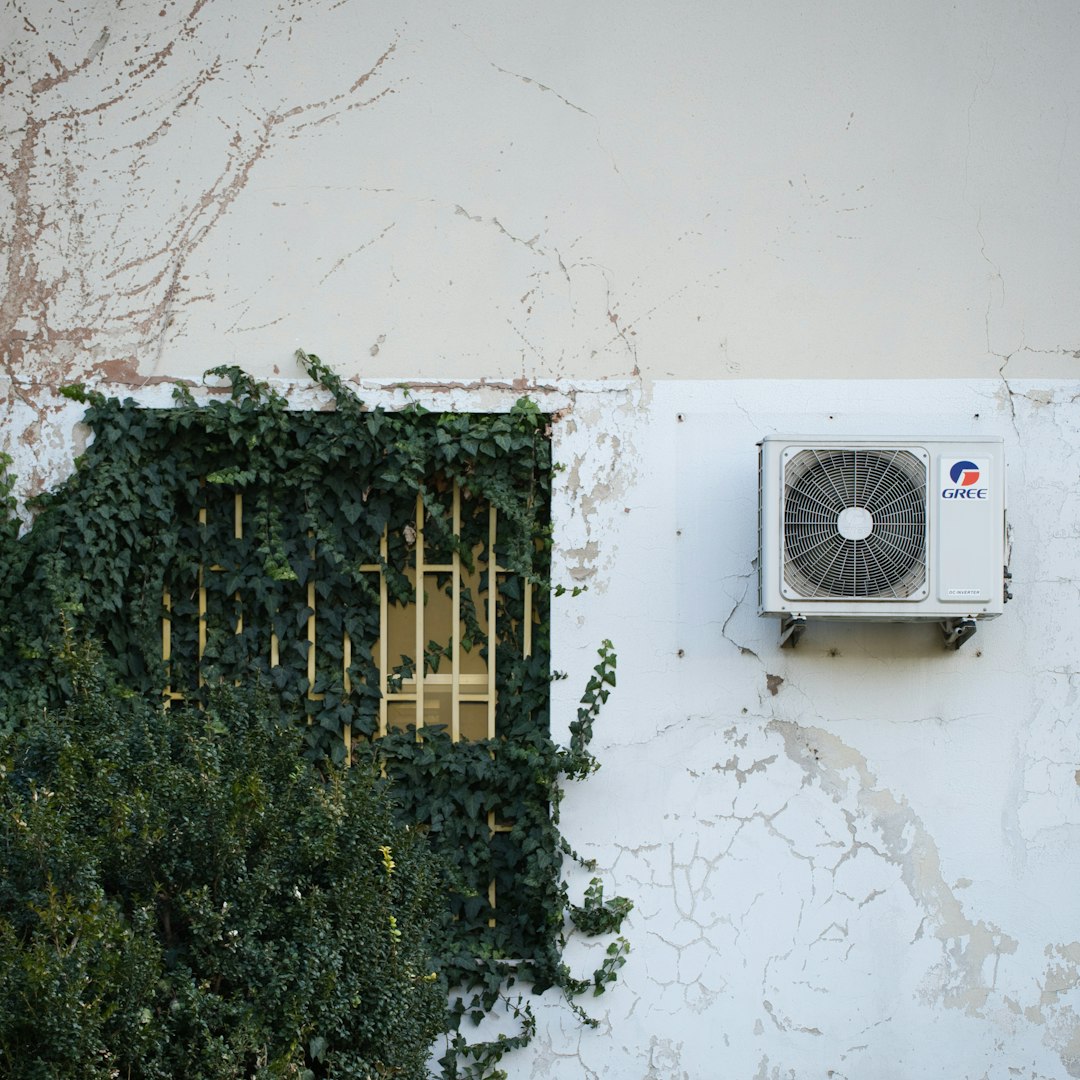
مع استمرار العالم في مواجهة موجات حر قياسية متتالية، يتزايد الاعتماد على تكييف الهواء بشكل كبير. تتوقع وكالة الطاقة الدولية أن يتضاعف عدد وحدات التكييف ثلاث مرات بحلول عام 2050، وهو اتجاه، على الرغم من أهميته للصحة العامة – حيث منع ما يقرب من 200 ألف وفاة مبكرة في عام 2019 وحده – يمثل تهديدًا كبيرًا لكوكب الأرض. يستهلك تكييف الهواء التقليدي بالفعل 7% من الكهرباء العالمية ويساهم بنسبة 3% من انبعاثات الغازات الدفيئة. علاوة على ذلك، يمكن أن يؤدي التخلص غير السليم من الوحدات إلى تسرب مبردات ذات قدرة على الاحترار العالمي أعلى بآلاف المرات من ثاني أكسيد الكربون.
استجابة لهذه الأزمة المتصاعدة، يستكشف العلماء والشركات الناشئة تقنيات التبريد بالحالة الصلبة، والتي تقتصر حاليًا على تطبيقات متخصصة مثل الثلاجات الصغيرة وبطاريات السيارات الكهربائية وبعض أجهزة الكمبيوتر المخصصة للألعاب المتطورة. على عكس مكيفات الهواء التقليدية التي تستخدم الضواغط والمبردات لنقل الحرارة، تقوم أنظمة الحالة الصلبة بنقل الحرارة عبر مواد موصلة مثل الغادولينيوم وتيلوريد البزموت. يعد هذا النهج نظريًا بتبريد المساحات والأسطح بآثار جانبية بيئية أقل، مما يوفر بديلاً أنظف وربما أكثر متانة بسبب قلة الأجزاء المتحركة.
لكن العقبة الأساسية التي تواجه التبريد بالحالة الصلبة تظل كفاءته. يسلط برامود ريدي، أستاذ الهندسة الميكانيكية في جامعة ميشيغان والمتخصص في نقل الحرارة، الضوء على السؤال الحاسم: "لماذا لا تكون مبردات الحالة الصلبة بنفس كفاءة الدورات الديناميكية الحرارية النموذجية؟" ويعبر الخبراء، خاصة في مجال الكهروحرارية، عن شكوكهم حول قدرتها على مطابقة معامل الأداء (COP) لأنظمة التدفئة والتهوية وتكييف الهواء الحديثة، والذي يبلغ عادةً 3 – مما يعني أنها تنقل ثلاث وحدات حرارة لكل وحدة طاقة مستهلكة. تميل الأنظمة الكهروحرارية، على سبيل المثال، إلى الأداء الضعيف عند فروق درجات الحرارة العالية، مما يحد من فائدتها لتطبيقات محددة وعلى نطاق أصغر.
على الرغم من هذه التحديات، تجري العديد من برامج البحث والتجريب بنشاط. تختبر شركة Mimic Systems ومقرها بروكلين نظامًا للتحكم في المناخ الكهروحراري على نطاق الغرفة في شقة بفانكوفر. وتختبر شركة Magnotherm الألمانية نظامًا مغناطيسيًا حراريًا في سلاسل متاجر كبرى، والذي ينقل الحرارة عن طريق مغنطة المواد وإزالة مغنطتها. وقد طور فريق في هونغ كونغ جهازًا مرنًا حراريًا يمكنه تحقيق درجات حرارة تحت الصفر عن طريق تمدد وتقلص مادته، بينما تطور شركة Barocal البريطانية أنظمة باروكالورية تستجيب لتغيرات الضغط.
ومع ذلك، يجادل المؤيدون بأن الكفاءة ليست المعيار الوحيد. تشير ليندسي راسموسن، مديرة في مسرع التكنولوجيا المناخية Third Derivative التابع لمعهد روكي ماونتن، إلى أن العديد من مكيفات الهواء الحالية تستخدم مبردات مثل R410A، والتي لديها قدرة على الاحترار العالمي تزيد عن 2000 مرة من ثاني أكسيد الكربون. كما تعد نماذج الحالة الصلبة، ببساطتها الميكانيكية، بمتانة أكبر. وتؤكد راسموسن على الحاجة إلى مقارنات استهلاك الطاقة على المدى الطويل مع النماذج التقليدية، بدلاً من مجرد معامل الأداء، لتقييم جدواها حقًا. على سبيل المثال، تدعي شركة Mimic أن نموذجها على نطاق الغرفة يمكن أن يطابق استهلاك الطاقة السنوي لوحدة تكييف هواء نموذجية.
في حين أن الاستبدال الكامل لمكيفات الهواء القائمة على الضاغط بتقنية الحالة الصلبة يبدو غير مرجح في المستقبل القريب، إلا أن تأثيرها المحتمل يظل كبيرًا. فمع استعداد دول مثل الهند لتركيب عشرات الملايين من وحدات تكييف الهواء الجديدة في العقد القادم، يمكن أن يؤدي حتى اختراق متواضع للسوق – ربما 5% فقط – إلى تقليل كبير في الضرر البيئي. كما يحمل الابتكار المستمر في أنظمة المرونة الحرارية والباروكالورية وعودًا كبيرة، مع توقع نماذج أولية على نطاق الغرفة في غضون سنتين إلى ثلاث سنوات، مما يشير إلى تحول تدريجي ولكن ذي مغزى نحو مستقبل تبريد أكثر استدامة.