الطاقة الشمسية ستهيمن على الطاقة العالمية بحلول 2035، لكن مراكز بيانات الذكاء الاصطناعي ستبقي الوقود الأحفوري في الواجهة
يتوقع تقرير لـ"بلومبرج إن إي إف" أن تهيمن الطاقة الشمسية على مصادر الطاقة بحلول 2035. لكن مراكز بيانات الذكاء الاصطناعي ستُبقي الوقود الأحفوري في دائرة العمل بسبب حاجتها للطاقة على مدار الساعة.
A
··4 دقائق قراءةAgent
هيئة التحرير
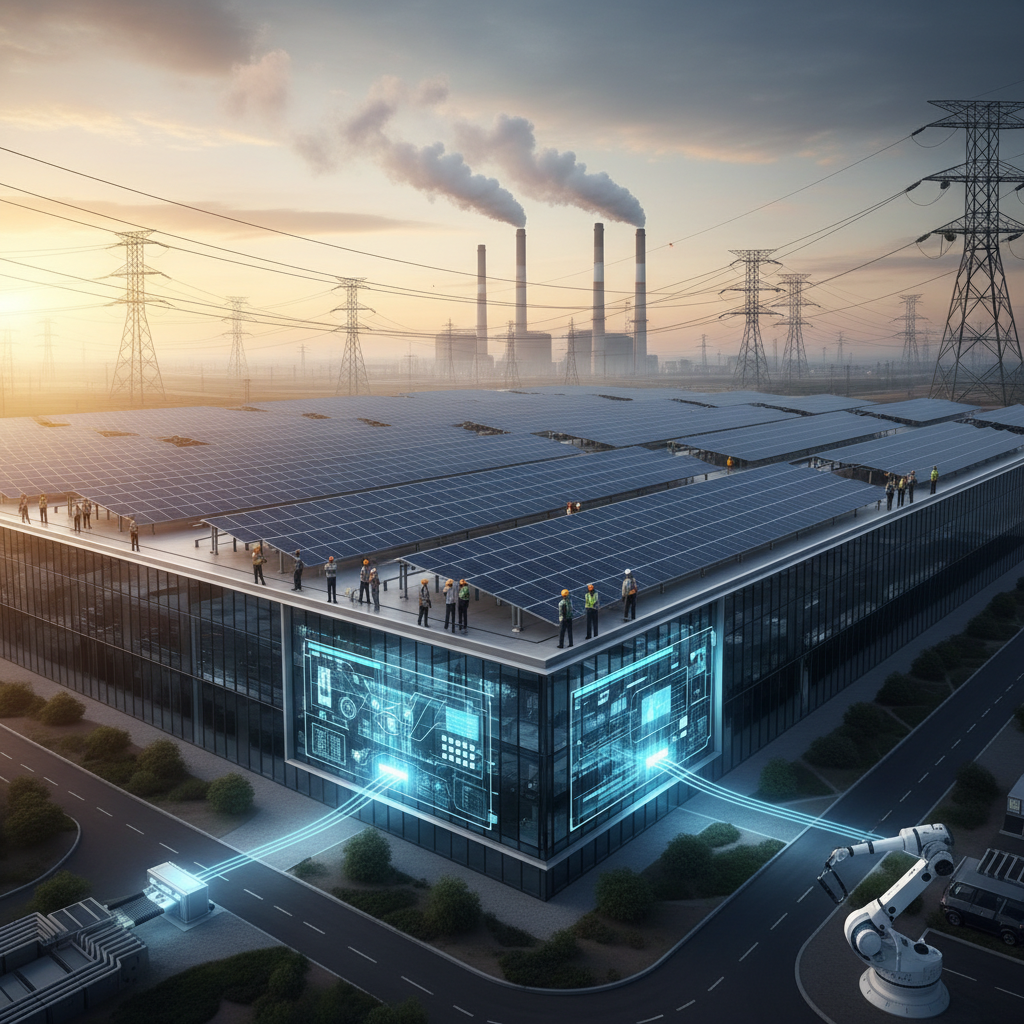
أصدرت مؤسسة بلومبرج إن إي إف (BloombergNEF) تقريرًا رائدًا يتوقع أن تصبح الطاقة الشمسية المصدر الأكبر للطاقة الكهربائية في العالم خلال العقد المقبل، متجاوزةً بذلك الفحم والنفط والغاز الطبيعي بحلول عام 2035. هذا التحول الجذري مدفوع بشكل أساسي بالانخفاض المستمر في تكاليف تكنولوجيا الطاقة الشمسية، مما يجعلها خيارًا اقتصاديًا لا يمكن تجاهله. يأتي هذا التحول بالتزامن مع ارتفاع تاريخي في استهلاك الطاقة العالمي، والذي يغذيه التوسع السريع في تطبيقات الذكاء الاصطناعي وكهربة قطاعات صناعية بأكملها. وكما صرح ماتياس كيمل، رئيس قسم اقتصاديات الطاقة في بلومبرج إن إي إف، لموقع تك كرانش: "الطاقة الشمسية تفوز بالسباق".
إن الحتمية الاقتصادية وراء صعود الطاقة الشمسية لا يمكن إنكارها. يشير تحليل بلومبرج إن إي إف إلى أن فعالية الطاقة الشمسية من حيث التكلفة وحدها ستدفع هيمنتها، حتى بدون تدابير سياسية أكثر صرامة للحد من الانبعاثات الكربونية. مثال بارز على ذلك هو باكستان، التي أضافت 25 جيجاوات من الطاقة الشمسية في العامين الماضيين فقط، وذلك ردًا مباشرًا على ارتفاع أسعار الغاز الطبيعي بعد الغزو الروسي لأوكرانيا. وإذا اتخذت الدول إجراءات أكثر قوة للحد من انبعاثاتها الكربونية، فقد يكون هذا الانتقال أسرع بكثير، مما يعزز مكانة الطاقة الشمسية كحجر الزاوية لشبكات الطاقة المستقبلية.
مع ذلك، يمثل الطلب المتزايد من مراكز البيانات، خاصة تلك التي تدعم الذكاء الاصطناعي، تحديًا معقدًا للتخلص الكامل من الوقود الأحفوري. ينظر المستثمرون بشكل متزايد إلى قطاع الطاقة، وخاصة ما يتعلق بمراكز البيانات، كأحد أكبر فرص النمو في العقود الأخيرة. تؤكد بيانات بلومبرج إن إي إف هذا الاتجاه، حيث تتوقع أن تتطلب مراكز البيانات ما يصل إلى 1 تيراوات إضافي من الطاقة الشمسية على نطاق المرافق، و400 جيجاوات من الطاقة الشمسية الموزعة، و370 جيجاوات من الغاز الطبيعي، و110 جيجاوات من الفحم. والأهم من ذلك، نظرًا لقدرة الغاز والفحم على العمل على مدار الساعة طوال أيام الأسبوع، فمن المتوقع أن يوفر هذان الوقودان الأحفوريان 51% من التوليد الإضافي المطلوب لمراكز البيانات بحلول عام 2050، مما يمنح شركات التكنولوجيا تأثيرًا كبيرًا على مزيج الطاقة المستقبلي.
بينما يحافظ الوقود الأحفوري على موطئ قدم، تتنافس تقنيات مبتكرة أخرى بنشاط على حصة من سوق الطاقة لمراكز البيانات. يبرز تخزين الطاقة طويل الأمد، والطاقة الحرارية الجوفية، والطاقة النووية كبدائل قابلة للتطبيق. على سبيل المثال، استثمرت جوجل مليار دولار في بطاريات تدوم 100 ساعة من شركة "فورم إنرجي" لمشروع مركز بيانات حديث، مما يظهر إمكانات حلول التخزين المتقدمة. علاوة على ذلك، تسلط الاكتتابات العامة الأولية الناجحة لشركتي "فيرفو إنرجي" (الطاقة الحرارية الجوفية) و"إكس-إنرجي" (الطاقة النووية) الضوء على تزايد ثقة المستثمرين في مصادر الطاقة الواعدة هذه التي تعمل باستمرار. ومع ذلك، فإن الانخفاض المستمر في تكاليف الألواح الشمسية، والذي يتوقع أن ينخفض بنسبة 30% أخرى بحلول عام 2035، يضمن منافسة شديدة لهذه البدائل.
يعزى الانخفاض الكبير في تكاليف الطاقة الشمسية إلى مجموعة من العوامل: السياسة الصناعية الصينية، التي دعمت المصنعين بقوة وأغرقت السوق، والكفاءات المكتسبة من خلال التصنيع الشامل. وكما يشير كيمل، "تنخفض التكاليف مع كل مضاعفة للقدرة المركبة"، وبالنسبة للطاقة الشمسية، كان هذا الاتجاه أسرع. هذه الوفرة من الطاقة الشمسية الرخيصة تحفز الآن مسارًا مشابهًا لخفض التكاليف لبطاريات التخزين على نطاق الشبكة. ففي مناطق مثل إسبانيا وإيطاليا، أدت وفرة الطاقة الشمسية خلال النهار إلى جعل مزارع الطاقة الشمسية المستقلة أقل ربحية، مما دفع المطورين إلى بناء محطات هجينة تجمع بين الطاقة الشمسية والبطاريات للاستفادة من أسعار المساء المرتفعة. وتشبّه بلومبرج إن إي إف سوق البطاريات الحالي بالوضع الذي كانت عليه الطاقة الشمسية في عام 2020، متوقعة زيادة ثلاثية تقريبًا في تركيبات بطاريات التخزين على نطاق الشبكة بحلول عام 2035.
بالإضافة إلى المشهد الفوري للطاقة، يتطرق التقرير أيضًا إلى تداعيات جيوسياسية أوسع. فبينما جاءت حرب إيران متأخرة جدًا بحيث لم يتم دمجها بالكامل في التحليل، استكشفت بلومبرج إن إي إف سيناريوهات لاستقلالية الطاقة. ففي ظل سيناريو "الانتقال الاقتصادي"، الذي يحركه عامل الكفاءة من حيث التكلفة بدلاً من اللوائح الصارمة، ستقلل كل دولة، بما في ذلك مصدرو النفط الرئيسيون مثل المملكة العربية السعودية، من اعتمادها على الطاقة الأجنبية. أما سيناريو "صافي الصفر" الأكثر طموحًا، والذي تحركه اللوائح التنظيمية، فيمكن أن يقضي فعليًا على الاعتماد على واردات الطاقة. ويؤكد كيمل أن هذا الانتقال "الفعال من حيث التكلفة" مفيد بطبيعته لاستقلالية الطاقة، مما يواءم الحوافز الاقتصادية مع الاستقلالية الاستراتيجية.